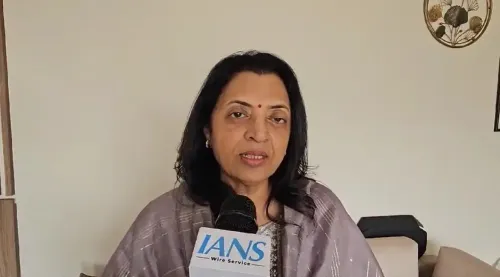
Is the BJP Using UCC to Distract from Key Issues?
Synopsis
Shiv Sena MP Priyanka Chaturvedi critiques the BJP's focus on the Uniform Civil Code, suggesting it serves as a distraction from more pressing issues. As discussions on the UCC heat up, the need for stakeholder engagement and public consensus becomes increasingly apparent. What does this mean for India's socio-political landscape?
Key Takeaways
Priyanka Chaturvedi criticizes the BJP's focus on UCC as a distraction.
The BJP has been in power for nearly a decade without taking significant action on UCC.
Engagement with stakeholders is essential for the UCC's implementation.
Debate on UCC highlights contrasting political views and societal concerns.
Consensus among the populace is crucial for any future legislation.
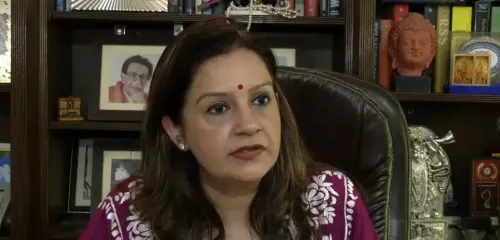
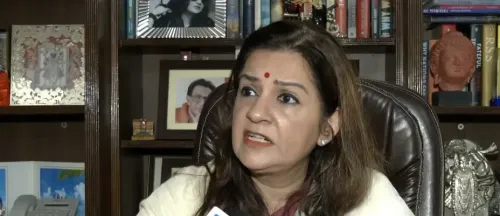
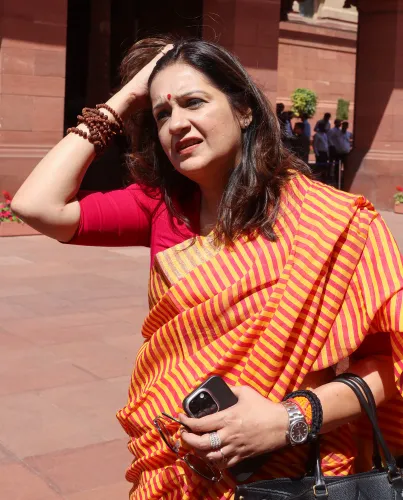
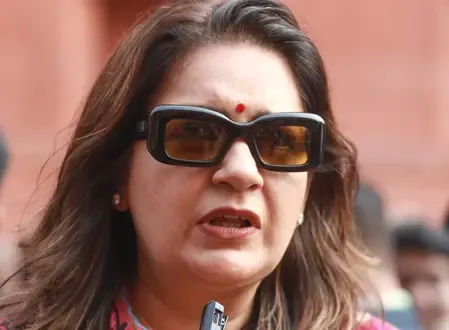
New Delhi, Feb 9 (NationPress) Shiv Sena (UBT) MP Priyanka Chaturvedi has critically responded to Rashtriya Swayamsevak Sangh (RSS) chief Mohan Bhagwat’s comments regarding the Uniform Civil Code (UCC). She noted that the BJP has consistently pushed for a nationwide legislation, but the government has only engaged in periodic promotion without taking substantial steps or holding necessary consultations for its enactment, despite being in power for nearly a decade.
“The concept resonates with the Bharatiya Janata Party’s manifesto and aligns with their ideology. However, since 2014, their administration has been in power, and whenever they aim to shift focus, they mention the UCC. It is widely acknowledged that discussions with major stakeholders are essential—listening to the populace, engaging with stakeholders, and earning their trust is crucial before a decision is made. Instead, they merely proclaim that the UCC is a beneficial idea every few years,” she told IANS.
Chaturvedi’s comments were made in reaction to Bhagwat’s statements during the second day of the RSS lecture series, ‘100 Years of Sangh Journey: New Horizons,’ which commemorated the organization’s centenary. Bhagwat underscored that the UCC should only be enacted after thorough consultations to avoid societal divisions.
“There are approximately 1.25 crore Hindus in Bangladesh. Should they choose to remain and contend, all Hindus globally will support them,” Bhagwat remarked. Regarding the UCC, he added, “It must not lead to divisions. In Uttarakhand, three lakh suggestions were received, and after engaging with all stakeholders, the act was enacted.”
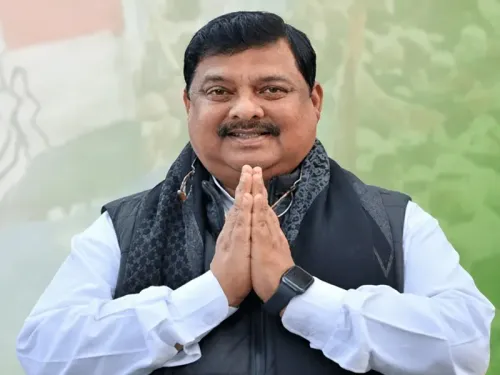
BJP MP Praveen Khandelwal endorsed Bhagwat’s comments, stating, “In light of Mohan Bhagwat’s statements, and recognizing that the UCC can significantly contribute to the nation’s social and economic advancement, he also emphasized that everyone’s consensus is necessary on this critical matter. Thus, the UCC will indeed be implemented nationwide based on the collective agreement of all citizens, taking into account the ground realities of the country.”
The discourse has reignited discussions regarding the long-delayed UCC, showcasing the contrasting views among political factions concerning its implementation approach and speed. While BJP representatives highlight the potential social and economic advantages, critics emphasize that meaningful dialogue with stakeholders and public consensus are vital before progressing with any concrete measures.
Point of View
It's critical to acknowledge both sides of this ongoing debate. The call for a Uniform Civil Code resonates with some segments of society, particularly in terms of social and economic benefits. However, the importance of engaging all stakeholders cannot be overstated. The path forward must prioritize consensus to ensure unity in diversity, a hallmark of our democratic fabric.
NationPress
22 Sept 2026
Frequently Asked Questions
What is the Uniform Civil Code?
The Uniform Civil Code (UCC) aims to replace personal laws based on the scriptures and customs of each major religious community in India with a common set governing every citizen.
Why is the UCC controversial?
The UCC is controversial as it involves complex discussions about personal rights, religious freedom, and the potential impact on various communities in India.
What are the arguments for the UCC?
Proponents argue that the UCC will promote equality and justice for all citizens, regardless of religion, and simplify the legal framework.
What are the concerns regarding the UCC?
Critics express concerns that the UCC may undermine religious freedoms and fail to address the unique cultural practices of different communities.
How has the political landscape responded to the UCC?
The political landscape is divided, with some parties advocating for the UCC as a means of social reform, while others warn against imposing uniformity on diverse cultural practices.