Ebola alert: BMC sets up 10-bed isolation ward at Kasturba Hospital
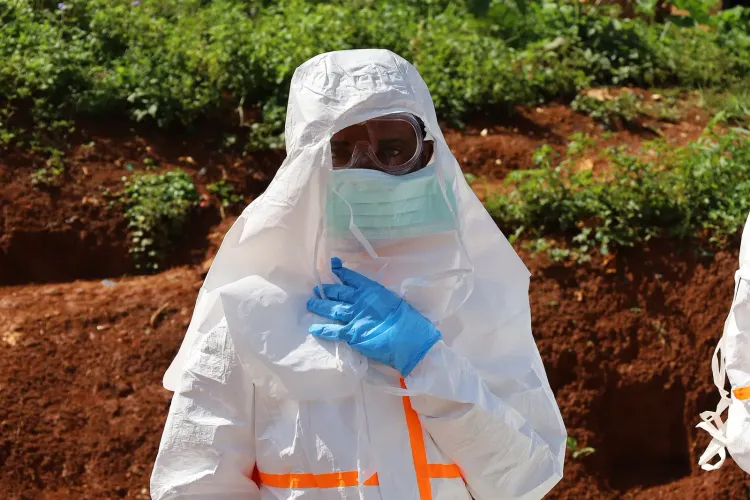
Synopsis
With no Ebola cases in India but the WHO's emergency declaration over Congo and Uganda ringing alarm bells, Mumbai's BMC has moved fast — activating a 10-bed isolation ward at Kasturba Hospital and an 8-bed unit at Cama Hospital. The city's response reveals how seriously health authorities are treating the risk of an imported case in a major international hub.
Key Takeaways
The BMC has set up a 10-bed isolation ward at Kasturba Hospital for suspected Ebola or viral haemorrhagic fever cases.
A separate 8-bed isolation ward has been activated at Cama Hospital , Mumbai.
The WHO declared the Ebola outbreak in the Democratic Republic of Congo and Uganda a public health emergency, triggering the alert.
Health officials confirm there are no Ebola cases or community transmission in India; measures are precautionary.
Deputy Mayor Sanjay Ghadi urged the public not to panic, saying further hospital readiness will be extended city-wide.
MARD has advised frontline staff that Ebola spreads only through direct contact with infected blood or bodily fluids — it is not airborne .
The Brihanmumbai Municipal Corporation (BMC) has placed Mumbai's healthcare infrastructure on high alert after the World Health Organisation (WHO) declared the Ebola outbreak in the Democratic Republic of Congo and Uganda a public health emergency. Health officials have stressed that there is currently no Ebola case or community transmission anywhere in India, and the measures are strictly precautionary.
Isolation Wards Activated
The BMC has designated Kasturba Hospital — Mumbai's dedicated infectious diseases centre — as the primary facility for any suspected viral haemorrhagic fever cases. A dedicated 10-bed isolation ward has been operationalised there, equipped with strict isolation protocols. Additionally, a separate 8-bed isolation ward has been set up at Cama Hospital as a secondary facility.
What the BMC Has Said
Mumbai Deputy Mayor Sanjay Ghadi stated that the BMC is fully prepared and urged citizens not to panic. He confirmed that bed arrangements at Kasturba Hospital are in place and said similar readiness measures will be extended to other municipal hospitals across the city in the near future. Directives have already been issued to major municipal medical colleges — KEM, Sion, Nair, and Cooper hospitals — to establish preparedness protocols and brief their teams.
Medical Community Advisory
The Maharashtra Association of Resident Doctors (MARD) has issued a formal advisory for frontline healthcare workers, emphasising rigorous hand hygiene, universal precautions during patient interactions, and strict adherence to clinical waste disposal regulations to prevent accidental contamination. MARD's advisory notably clarifies that Ebola is not airborne in ordinary community settings — unlike COVID-19 or influenza — and transmits only through direct contact with infected blood, bodily fluids, or heavily contaminated surfaces or medical equipment.
Why Mumbai Is Taking Precautions
This comes amid a broader global health advisory triggered by the WHO's emergency declaration over the Congo-Uganda outbreak. Mumbai, as a major international transit hub with direct and connecting air links to African cities, is considered a higher-vigilance zone for imported infectious disease cases. This is consistent with the city's response framework activated during past outbreaks, including Nipah and Monkeypox alerts. Frontline workers have been instructed to remain situationally alert without escalating public anxiety.
What Happens Next
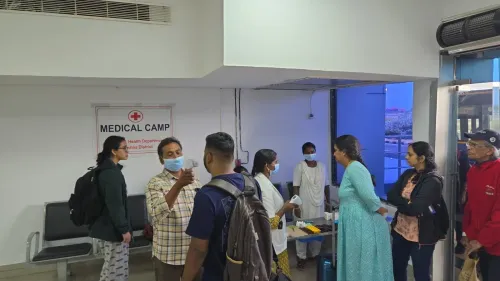
The BMC is expected to extend isolation readiness to additional hospitals across Mumbai in the coming days. Surveillance at airports and ports of entry remains a key component of the national response, coordinated with central health authorities. Any traveller returning from affected African regions with fever or haemorrhagic symptoms is to be referred directly to Kasturba Hospital for assessment.
Point of View
But the real test is surveillance at the city's international airport — not hospital beds. Kasturba Hospital has been the go-to infectious disease facility for decades, and its readiness is reassuring, yet the gap in India's response has historically been at the point of entry, not the point of treatment. The MARD advisory clarifying that Ebola is not airborne is a necessary corrective against the kind of public panic that hampered COVID-19 containment. What is less clear is whether the Centre's airport screening protocols have been upgraded in step with the BMC's hospital-level response.
NationPress
14 Oct 2026
Frequently Asked Questions
Has Ebola been detected in Mumbai or anywhere in India?
No. Health officials have confirmed there are no Ebola cases or community transmission in India as of 29 May 2025. The isolation wards and precautionary measures are being set up in anticipation of any potential imported case.
Why has the BMC set up an Ebola isolation ward?
The BMC activated the ward following the WHO's declaration of the Ebola outbreak in the Democratic Republic of Congo and Uganda as a public health emergency. Mumbai, as a major international transit hub, is considered a higher-vigilance zone for imported infectious disease cases.
Which hospitals in Mumbai are prepared for Ebola cases?
Kasturba Hospital has a 10-bed isolation ward and is the primary designated facility. Cama Hospital has an additional 8-bed isolation ward. KEM, Sion, Nair, and Cooper hospitals have also been directed to establish readiness protocols.
How does Ebola spread, and should the public be worried?
Ebola spreads only through direct contact with the infected blood, bodily fluids, or heavily contaminated surfaces or medical equipment of a sick person. It is not airborne in ordinary community settings, unlike COVID-19 or influenza. The BMC and MARD have urged the public not to panic.
What should travellers returning from Africa do if they feel unwell?
Travellers returning from affected regions — particularly the Democratic Republic of Congo or Uganda — who develop fever or haemorrhagic symptoms should seek immediate medical attention and inform doctors of their travel history. Suspected cases in Mumbai are to be referred to Kasturba Hospital for assessment.