BMC's Ashray Yojana to Build 12,146 Homes for Mumbai's Sanitation Workers

Synopsis
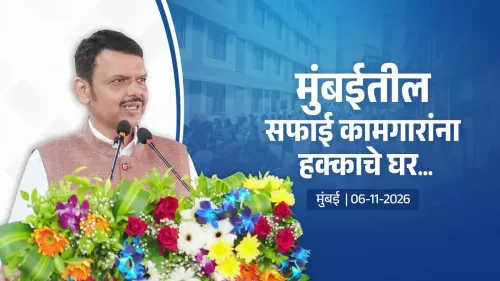
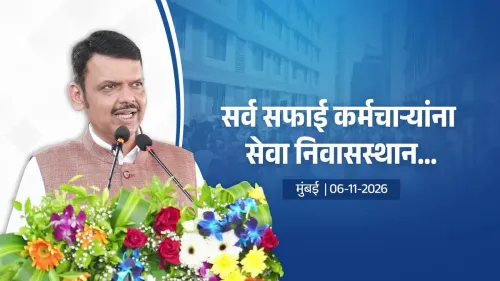
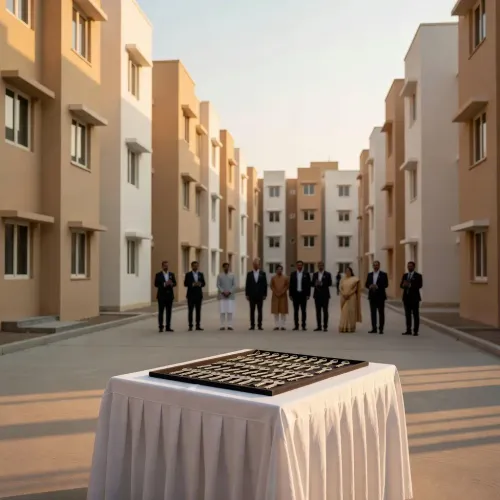
BMC has launched the Ashray Yojana to redevelop 30 staff colonies and build 12,146 modern homes for Mumbai's sanitation workers, the Chief Minister's Office of Maharashtra announced on 6 November 2026, tagging CM Devendra Fadnavis.
Key Takeaways
The Chief Minister's Office of Maharashtra announced BMC's Ashray Yojana on 6 November 2026 .
The scheme targets redevelopment of 30 existing staff colonies across Mumbai.
12,146 modern service residences are planned with contemporary amenities.
Beneficiaries are BMC sanitation and conservancy workers and their families.
The initiative aligns with the national Pradhan Mantri Awas Yojana (Urban) framework launched in 2015 .
Key milestones to watch include BMC's tendering process and phased occupancy timelines.
They sweep Mumbai's streets before dawn so the city wakes up clean — and now, the Brihanmumbai Municipal Corporation is pledging to give them a home worthy of that effort. The Chief Minister's Office of Maharashtra announced on Friday, 6 November 2026 that BMC has launched the Ashray Yojana (Shelter Scheme), a sweeping redevelopment programme aimed at transforming the living conditions of the city's sanitation workforce.
What the Ashray Yojana promises Mumbai's conservancy workers
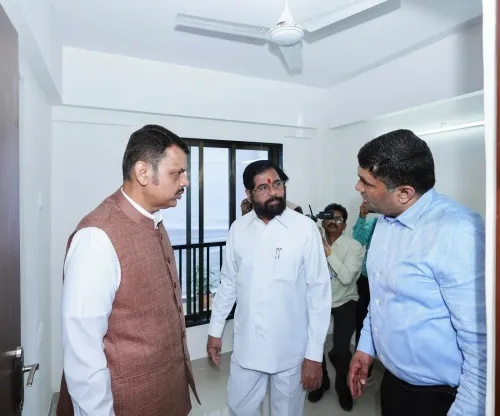
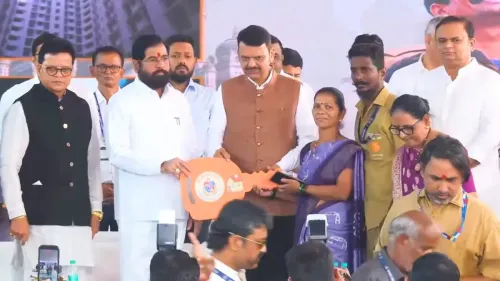
Under the scheme, BMC plans to redevelop 30 existing staff colonies and replace them with 12,146 modern service residences equipped with contemporary amenities. The CMO's post, tagging Chief Minister Devendra Fadnavis and BMC, described the initiative as one designed to ensure not just dignity for the workers themselves but also 'health, stability and a bright future' for their families.
The scale is significant. Mumbai's sanitation workforce — the conservancy staff who collect waste, maintain drains and keep the country's financial capital functioning — has long lived in cramped, often dilapidated quarters that have not kept pace with the city's growth. Replacing 30 colonies in one consolidated programme is among the most ambitious housing moves BMC has announced for this cohort.
Mumbai's sanitation colonies: a long-overdue reckoning
Indian municipal bodies have periodically announced colony redevelopment plans for sanitation workers, but follow-through has historically been uneven. What gives the Ashray Yojana its current momentum is the broader national frame: the post-2014 push under Swachh Bharat programmes elevated the public profile of conservancy work, making worker-dignity a politically salient cause alongside cleanliness outcomes.
The scheme also sits within the lineage of Pradhan Mantri Awas Yojana (Urban), launched in 2015, which explicitly targeted pucca housing for urban informal and essential-service workers. BMC's Ashray Yojana represents a state-municipal translation of that national intent into a city-specific, workforce-specific programme.
What to watch: tenders, timelines, and 12,146 families
The immediate milestones to track are BMC's tendering process for the 30 colonies and the occupancy timelines for the planned units. With 12,146 homes on the drawing board, the logistics of phased construction, temporary relocation of current residents and beneficiary selection will determine whether this scheme delivers on its promise or joins a long list of announced-but-delayed municipal projects.
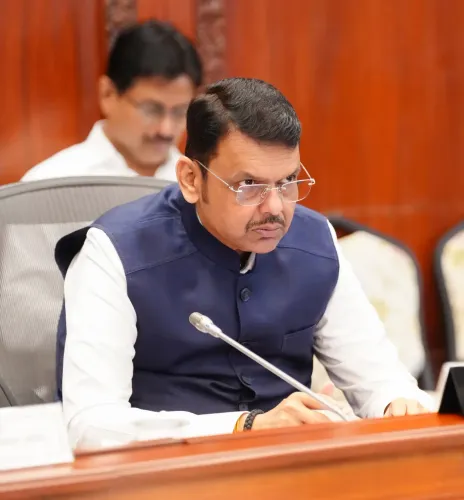
Chief Minister Devendra Fadnavis, who oversees state urban development policy, has been tagged directly in the announcement — a signal that the scheme carries political weight at the highest level of Maharashtra's government, not just within BMC's administrative machinery.
Twelve thousand families waiting for a home that reflects the work they do every single day. The plans are drawn — now comes the harder part.
Point of View
Long a rhetorical fixture of Swachh Bharat messaging, is being translated into bricks-and-mortar policy at scale. By anchoring 12,146 units to a single BMC programme and tagging CM Fadnavis directly, the CMO frames this as a flagship welfare commitment rather than a routine civic upgrade. The scheme's success will hinge on execution speed — previous colony redevelopment announcements by Indian municipal bodies have frequently stalled at the tendering stage. If BMC delivers even the first phase on schedule, it sets a replicable model for other high-density metros where essential-service workers remain among the most housing-insecure urban residents.
NationPress
6 Nov 2026
Frequently Asked Questions
What is the BMC Ashray Yojana?
The Ashray Yojana is a Brihanmumbai Municipal Corporation housing scheme to redevelop 30 staff colonies and construct 12,146 modern service residences for Mumbai's sanitation and conservancy workers.
How many homes will be built under the Ashray Yojana?
BMC plans to build 12,146 modern service residences across the redeveloped colonies.
Who are the beneficiaries of the Ashray Yojana?
Municipal sanitation and conservancy workers employed by BMC and their families are the primary beneficiaries of the scheme.
Is the Ashray Yojana connected to the Pradhan Mantri Awas Yojana?
The scheme aligns with the broader intent of Pradhan Mantri Awas Yojana (Urban), launched in 2015 to provide pucca housing to urban essential-service workers, though the Ashray Yojana is a BMC-led Mumbai-specific initiative.
What is the current status of the Ashray Yojana?
As of 6 November 2026, BMC has announced the scheme and plans to redevelop 30 colonies. The tendering process and construction timelines are the key next steps to watch.