CM Fadnavis hands over homes to Mumbai sanitation workers
Synopsis
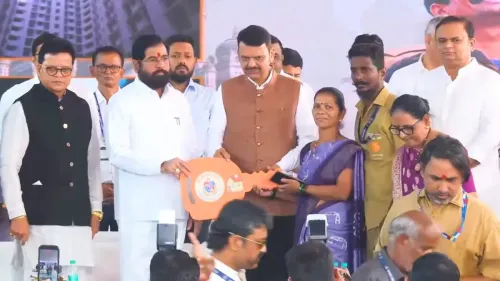
Chief Minister Devendra Fadnavis handed keys of new 300 sq ft prefab homes to Mumbai sanitation workers under Ashray Yojana Phase 2 on 6 November 2026, and announced ownership-title housing under the Ambedkar Shram Safalya Awas Yojana for Mumbai next.
Key Takeaways
Ashray Yojana Phase 2 delivered new residential units to Mumbai sanitation workers on 6 November 2026 .
Each home is 300 square feet , built with prefab technology rated for a 100-year lifespan .
The developer is obligated to maintain the buildings for 10 years post-handover.
400 ownership homes have already been distributed in Nagpur under the Dr.
Babasaheb Ambedkar Shram Safalya Awas Yojana; Mumbai rollout is next.
The state also committed to employment opportunities for workers' heirs and minimum wages for contractual sanitation staff.
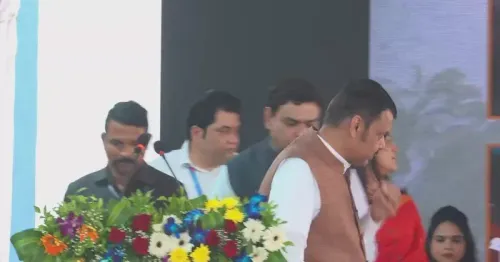
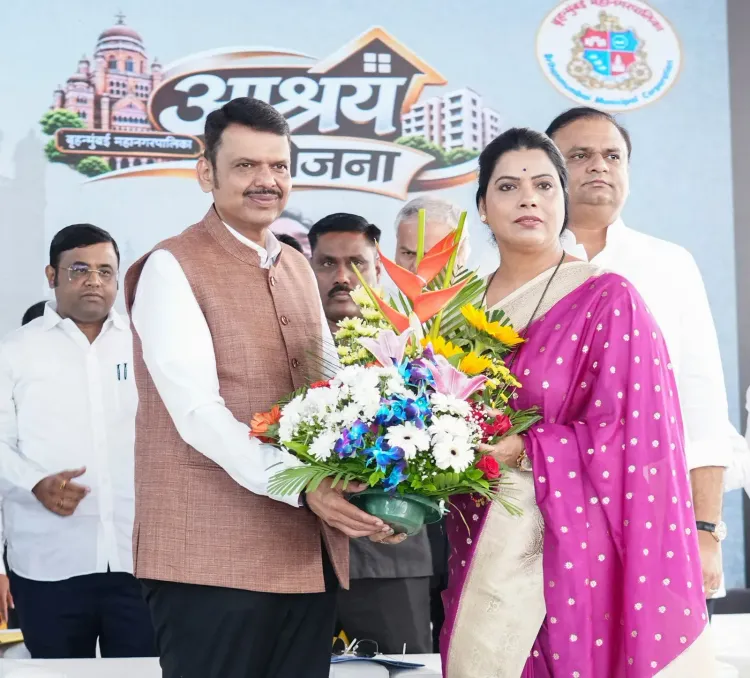
Deputy CM Eknath Shinde , Assembly Speaker Rahul Narwekar , and Mayor Ritu Tawde attended the key-distribution ceremony.
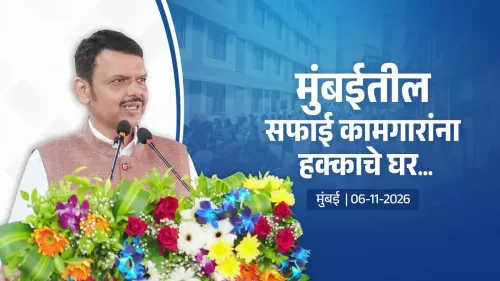
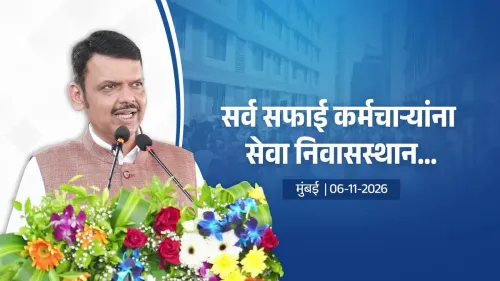
They sweep Mumbai's streets before dawn so the city wakes up clean — and on Friday, 6 November 2026, Maharashtra Chief Minister Devendra Fadnavis handed the keys of brand-new homes to those very workers, marking the second phase of the state's Ashray Yojana in Mumbai.
What Phase 2 of Ashray Yojana delivers
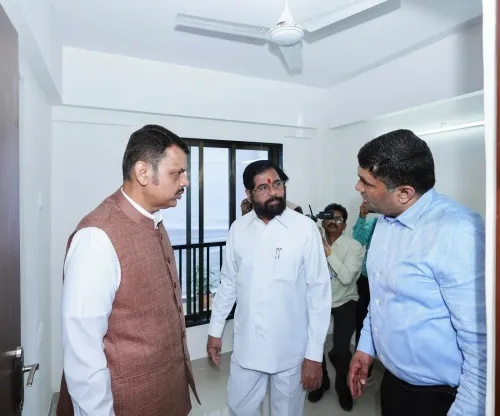
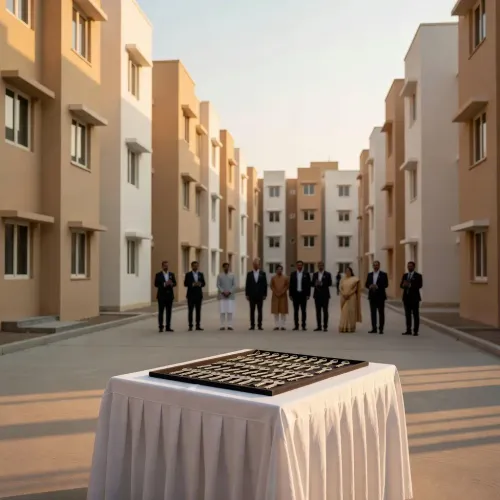
Each unit measures 300 square feet — compact but fully equipped — and comes with access to a community hall and open recreational space. The buildings are constructed using prefabricated technology engineered for a 100-year lifespan, a deliberate choice to ensure permanence rather than the patchy, temporary shelter many sanitation workers have lived in for generations. Critically, the developer is contractually bound to maintain the structures for the next 10 years, shielding residents from the maintenance neglect that has historically plagued welfare housing. CM Fadnavis also extended warm Diwali and Dhantrayodashi greetings to the gathered workers and their families at the ceremony.
Ownership homes next: the Ambedkar and Valmiki schemes
Beyond the Ashray Yojana keys, Fadnavis announced a sharper commitment: sanitation workers will receive malki hakkachi ghare — ownership-title homes — through two dedicated schemes. The Dr. Babasaheb Ambedkar Shram Safalya Awas Yojana has already distributed 400 homes in Nagpur, and the Chief Minister confirmed its imminent launch in Mumbai. The Valmiki Griha Nirman Yojana runs in parallel, reinforcing a multi-track approach to ending the housing deficit for this community. The state has also committed to employment opportunities for workers' heirs in civic services, and to minimum wages and essential facilities for contractual and daily-wage sanitation staff — a package that moves beyond bricks and mortar into livelihood security.
Who was in the room — and what it signals
Maharashtra Legislative Assembly Speaker Adv. Rahul Narwekar, Deputy Chief Minister Eknath Shinde, Mumbai Mayor Ritu Tawde, and senior officials attended the event alongside the workers. The presence of the state's top constitutional and executive figures at a ceremony for sanitation workers is itself a signal — these schemes are being framed as flagship governance commitments, not bureaucratic footnotes. Maharashtra's housing push for safai karmacharis fits into the broader national Swachh Bharat framework, which has long emphasised worker welfare alongside sanitation infrastructure. Prefab technology and long-term maintenance guarantees are increasingly the state's answer to the criticism that welfare housing crumbles within a decade.
Mumbai's sanitation workers now hold keys to homes built to outlast a century. The harder test will be whether the ownership schemes promised for the city arrive on the timeline Fadnavis has set.
Point of View
Flanked by the Deputy CM and Assembly Speaker, positions welfare for safai karmacharis as a ruling coalition priority ahead of any future electoral cycle. The layering of Ashray Yojana (tenancy) with Ambedkar Shram Safalya Awas Yojana (ownership) suggests Maharashtra is graduating from shelter provision to asset creation for this constituency. The 10-year maintenance guarantee is a direct policy response to the credibility gap that has dogged welfare housing in India — if enforced, it marks a structural improvement over earlier schemes. The announcement of Mumbai as the next Ambedkar scheme city will be the real test of delivery velocity.
NationPress
6 Nov 2026
Frequently Asked Questions
What is the Ashray Yojana for sanitation workers in Maharashtra?
Ashray Yojana is a Maharashtra state scheme that provides phased housing to sanitation workers in Mumbai and other cities. Under Phase 2, newly built residential units were handed over in Mumbai on 6 November 2026 by Chief Minister Devendra Fadnavis.
How big are the homes given to sanitation workers under Ashray Yojana Phase 2?
Each unit is 300 square feet , built using prefabricated technology with a designed lifespan of 100 years and community facilities including a hall and open space.
What is the Dr. Babasaheb Ambedkar Shram Safalya Awas Yojana?
It is a Maharashtra government scheme that grants ownership-title homes to sanitation workers and their families. 400 homes have been distributed in Nagpur , and the scheme is set to launch in Mumbai soon.
What is the Valmiki Griha Nirman Yojana?
The Valmiki Griha Nirman Yojana is a longstanding Maharashtra housing programme specifically supporting sanitation workers, running alongside the Ambedkar Shram Safalya Awas Yojana to address the community's housing needs.
Who attended the Ashray Yojana Phase 2 key distribution ceremony in Mumbai?
Chief Minister Devendra Fadnavis , Deputy Chief Minister Eknath Shinde , Maharashtra Legislative Assembly Speaker Rahul Narwekar , Mumbai Mayor Ritu Tawde , and senior officials attended the ceremony on 6 November 2026 .