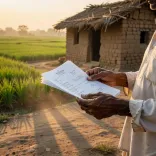
Cabinet clears PM Viksit Gram Swaraj Yojana with ₹7,395 crore outlay for panchayat reforms

Synopsis
The Cabinet has approved a ₹7,395.55 crore scheme to overhaul panchayat governance across India — covering 2.55 lakh panchayats and 32 lakh elected representatives. Running alongside a ₹4.35 lakh crore Finance Commission grant pipeline, PM VGSY is essentially India's institutional bet that rural bodies can be trained and digitised fast enough to actually use that money well.
Key Takeaways
The Union Cabinet approved PM Viksit Gram Swaraj Yojana (PM VGSY) on 28 October 2026 with a total outlay of ₹7,395.55 crore .
The Centre's share is ₹4,869.48 crore ; states will contribute ₹2,526.07 crore .
The scheme covers 2.55 lakh panchayats and will build capacity of 32 lakh elected representatives annually.
Each awareness campaign is designed to reach at least 1 crore citizens through Gram Sabhas and digital platforms.
The scheme will support 2.55 lakh holistic Gram Panchayat Development Plans and 2.55 lakh online audit plans every year on the eGramSwaraj and AuditOnline portals.
No permanent posts will be created; only need-based contractual staff may be engaged at State, District, and Block levels.
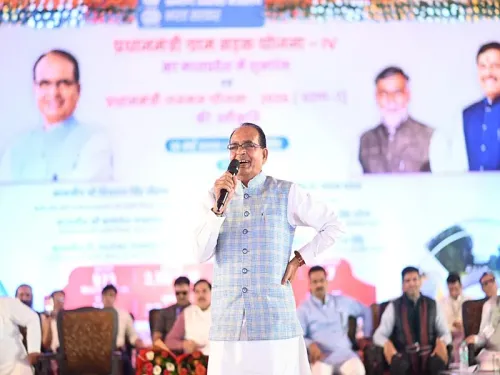
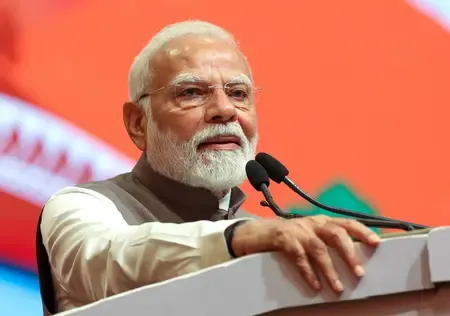
The Union Cabinet, chaired by Prime Minister Narendra Modi, on Wednesday, 28 October 2026, approved the centrally sponsored Pradhan Mantri Viksit Gram Swaraj Yojana (PM VGSY) with a total outlay of ₹7,395.55 crore, aimed at strengthening panchayat governance across India from 2026-27 to 2030-31. The scheme will run co-terminus with the Sixteenth Finance Commission period and is expected to directly benefit around 32 lakh elected representatives and panchayat functionaries across more than 2.55 lakh panchayats and traditional local bodies nationwide.
Financial Structure of the Scheme
Of the total ₹7,395.55 crore outlay, the Centre will contribute ₹4,869.48 crore while states will bear ₹2,526.07 crore. The scheme aligns its funding cycle with the Sixteenth Finance Commission, which has separately recommended approximately ₹4.35 lakh crore in grants for rural local bodies over the same five-year period. PM VGSY is designed to help panchayats build the capacity to effectively absorb and account for those large Finance Commission flows.
Key Objectives and Coverage
The scheme will support the annual preparation of 2.55 lakh holistic Gram Panchayat Development Plans on the eGramSwaraj Portal, integrating village priorities, interventions from Central and State departments, and locally available resources through participatory and evidence-based planning. At least 2.55 lakh online audit plans will also be prepared annually and completed through the AuditOnline platform, reinforcing financial accountability.
Each coordinated awareness-generation exercise under the scheme is designed to reach a minimum of 1 crore citizens, using digital platforms, Gram Sabhas, and other panchayat forums to improve understanding of government schemes and national initiatives. The scheme extends to all States and Union Territories, including institutions of rural local government in non-Part IX areas where panchayats do not formally exist.
Capacity Building and Accountability at the Core
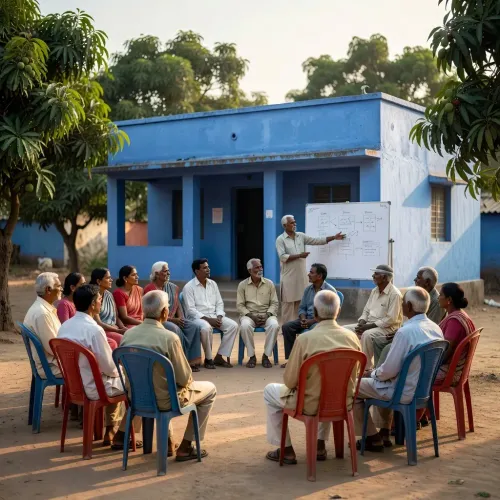
A central pillar of PM VGSY is annual capacity building for the 32 lakh elected representatives, panchayat functionaries, and other stakeholders — covering holistic planning, citizen communication, resource management, and progress toward locally relevant Sustainable Development Goals (SDGs). The scheme also emphasises Own Source Revenue (OSR) mobilisation, improved accounting, and public disclosure of funds, with the stated goal of fostering financially self-reliant panchayats over time.
Notably, the government has specified that no permanent posts will be created under the scheme. Need-based contractual human resources may, however, be engaged at the State, District, and Block levels to provide technical support.
Why This Scheme Matters
This comes amid a broader push to decentralise governance and make rural local bodies more capable of driving development outcomes independently. With the Sixteenth Finance Commission channelling significant grants toward panchayats, ensuring those funds are planned, spent, and audited properly has become a pressing institutional priority. PM VGSY positions itself as the capacity and accountability infrastructure that makes that fiscal devolution meaningful rather than merely nominal. How effectively it translates training and digital tools into on-ground governance improvement will be the defining question over its five-year run.
Point of View
Arguably, more valuable than another capex line. The real risk is that capacity-building initiatives in India have a poor track record of translating training hours into institutional change on the ground. The decision to create no permanent posts and rely on contractual staff keeps the fiscal footprint lean, but it also creates continuity gaps at the block and district level that have undermined similar programmes before. With the Sixteenth Finance Commission routing ₹4.35 lakh crore through panchayats, the stakes for getting this right are enormous — a poorly governed panchayat tier becomes a fiscal black hole, not a development engine.
NationPress
28 Oct 2026
Frequently Asked Questions
What is the Pradhan Mantri Viksit Gram Swaraj Yojana (PM VGSY)?
PM VGSY is a centrally sponsored scheme approved by the Union Cabinet on 28 October 2026, with a ₹7,395.55 crore outlay running from 2026-27 to 2030-31. It aims to strengthen panchayat governance through capacity building, digital planning tools, and improved financial accountability across 2.55 lakh panchayats in India.
How much will the Centre and states each contribute to PM VGSY?
The Centre will contribute ₹4,869.48 crore while states will bear ₹2,526.07 crore of the total ₹7,395.55 crore outlay. The funding cycle is aligned with the Sixteenth Finance Commission period, which runs from 2026-27 to 2030-31.
Who are the direct beneficiaries of PM VGSY?
Around 32 lakh elected representatives, panchayat functionaries, and other stakeholders across more than 2.55 lakh panchayats and traditional local bodies are direct beneficiaries. Each awareness exercise under the scheme is also designed to reach at least 1 crore citizens through Gram Sabhas and digital platforms.
What is the connection between PM VGSY and the Sixteenth Finance Commission grants?
The Sixteenth Finance Commission has recommended approximately ₹4.35 lakh crore in grants for rural local bodies over 2026-27 to 2030-31. PM VGSY is designed to help panchayats build the planning, auditing, and accountability capacity needed to effectively utilise those large fiscal transfers.
Will new government jobs be created under PM VGSY?
No permanent posts will be created under the scheme, according to the official statement. Need-based contractual human resources may be engaged at the State, District, and Block levels to provide technical support for scheme implementation.