Cabinet Approves PMGSY-III Extension Until March 2028 with Increased Budget of Rs 83,977 Crore
Synopsis
In a significant move, the Cabinet has approved the extension of the Pradhan Mantri Gram Sadak Yojana-III (PMGSY-III) to March 2028, with a revised budget of Rs 83,977 crore, aimed at boosting rural infrastructure and economy.
Key Takeaways
The Cabinet has extended PMGSY-III until March 2028.
The budget has been increased to Rs 83,977 crore.
The initiative focuses on improving rural connectivity.
Better infrastructure will enhance access to education and healthcare.
The project aims to bridge the rural-urban divide and create jobs.
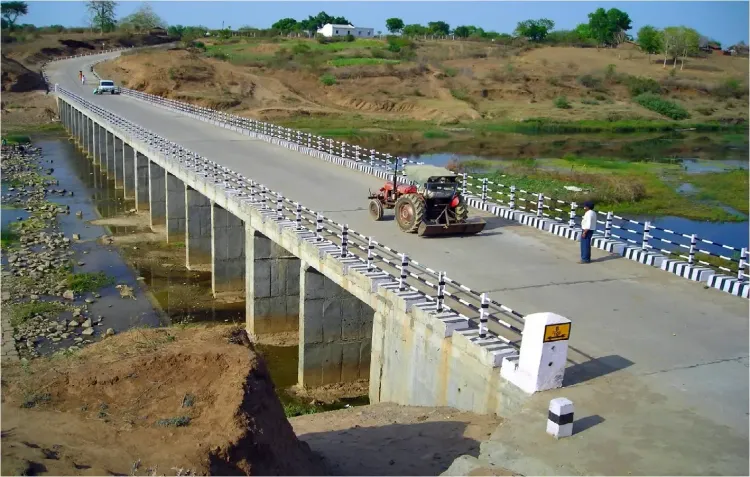
New Delhi, April 18 (NationPress) The Cabinet has officially sanctioned the extension of the Pradhan Mantri Gram Sadak Yojana-III (PMGSY-III) until March 2028, moving beyond the initial deadline of March 2025. The revised budget allocation for the project stands at Rs 83,977 crore.
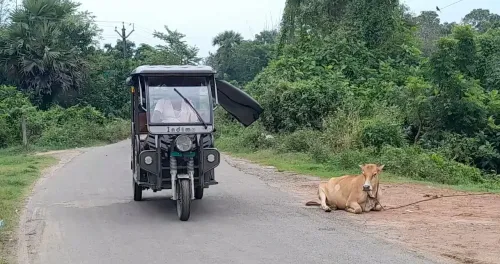
This initiative focuses on enhancing vital rural connections, linking various habitations to Gramin Agricultural Markets (GrAMs), higher secondary educational institutions, and healthcare facilities.
The timeline extension for PMGSY-III aims to facilitate the complete realization of its socio-economic goals by ensuring the successful upgrade of rural road infrastructure.
An official statement emphasized, “This will greatly invigorate the rural economy and trade by improving access to markets for agricultural and non-agricultural products, while also reducing transportation times and costs, thus elevating rural income levels.”
Better connectivity will also enhance access to education and healthcare services, ensuring timely delivery of crucial services, especially in remote and underserved regions.
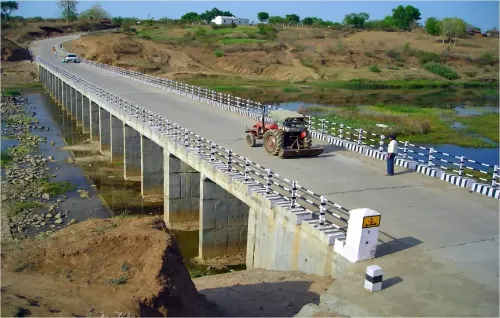
The Cabinet has also agreed to extend the deadlines to March 2028 for completing roads and bridges in flat terrains, and roads in hilly areas. Additionally, the deadline for finishing bridges in hilly regions has been extended to March 2029. Projects approved before March 31, 2025, that remain unawarded can now be initiated for tendering and awarding.
Furthermore, the Cabinet has authorized the sanctioning and tendering of Long Span Bridges (LSBs) (totaling 161 with an estimated cost of Rs 961 crore) that have been pending but are aligned with already sanctioned road projects, alongside revising the total outlay from Rs 80,250 crore to Rs 83,977 crore.
The official statement noted that the ongoing implementation will not only create significant job opportunities—both directly through construction efforts and indirectly by fostering rural enterprises and services—but will also support inclusive and sustainable development by bridging the rural-urban gap and advancing the vision of Viksit Bharat 2047.
Point of View
The initiative promises to enhance access to markets, education, and healthcare, thereby improving the quality of life for rural populations.
NationPress
19 Sept 2026
Frequently Asked Questions
What is the Pradhan Mantri Gram Sadak Yojana-III?
The Pradhan Mantri Gram Sadak Yojana-III (PMGSY-III) is a government initiative aimed at improving rural road connectivity and infrastructure to facilitate access to essential services and markets.
What is the revised budget for PMGSY-III?
The revised budget for PMGSY-III has been set at Rs 83,977 crore.
When is the new deadline for PMGSY-III?
The new deadline for the completion of PMGSY-III is March 2028.
How will PMGSY-III impact rural economies?
PMGSY-III is expected to boost rural economies by improving access to markets, reducing transportation costs, and enhancing opportunities for local enterprises.
What additional infrastructure projects are included in this approval?
The Cabinet has also approved the construction of Long Span Bridges (LSBs) and extended timelines for road completions in both plain and hilly areas.