Cabinet Clears MSP Hike for All Rabi Crops for 2027–28
Synopsis
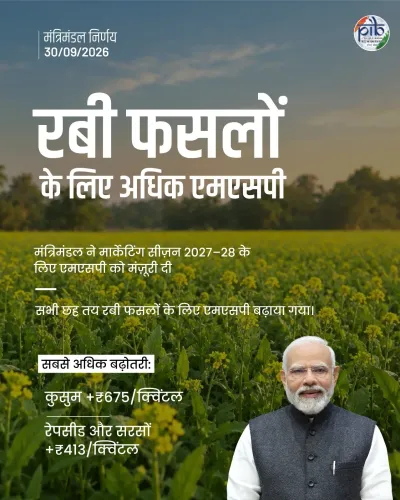
The Union Cabinet, chaired by PM Narendra Modi, has approved an increase in Minimum Support Prices for all mandated Rabi crops for Marketing Season 2027–28. The decision, announced on 30 September 2026, aims to guarantee remunerative prices for farmers ahead of the upcoming sowing season.
Key Takeaways
The Union Cabinet , chaired by PM Narendra Modi , approved MSP hikes for all mandated Rabi crops for Marketing Season 2027–28 on 30 September 2026 .
The decision is intended to ensure remunerative prices and strengthen income security for Rabi farmers across India.
Mandated Rabi crops include wheat, gram, barley, lentils, and rapeseed-mustard — among India's most widely cultivated food crops.
MSP rates are recommended by the Commission for Agricultural Costs and Prices (CACP) and implemented through procurement by FCI and state agencies.
Crop-wise MSP figures and state procurement schedules are expected to be released by the Ministry of Agriculture and Farmers' Welfare ahead of the sowing window.
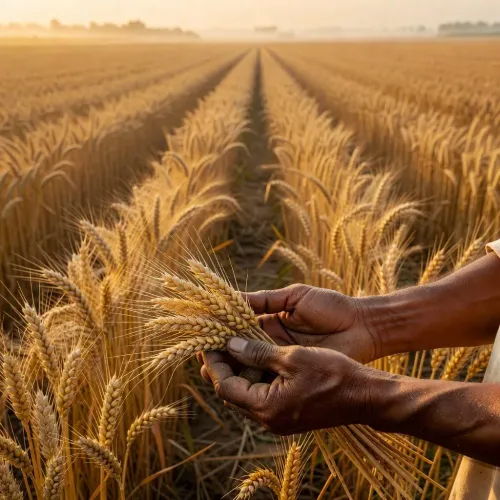
Every rabi season, millions of Indian farmers plant their wheat, gram, and mustard with one question hanging over the harvest: will the price hold? On Wednesday, 30 September 2026, the Union Cabinet — chaired by Prime Minister Narendra Modi — answered with a formal approval of higher Minimum Support Prices (MSP) for all mandated Rabi crops for Marketing Season 2027–28, signalling that the government's price-floor guarantee will rise ahead of the upcoming sowing cycle.
Union Environment Minister Bhupender Yadav shared the Cabinet decision on X, stating that the move 'aims to ensure remunerative prices for farmers and strengthen their income security.' The announcement was accompanied by an official press release from the Press Information Bureau, marking the decision as part of the Cabinet's formal policy record.
What the MSP Decision Covers — and What It Means for Rabi Farmers
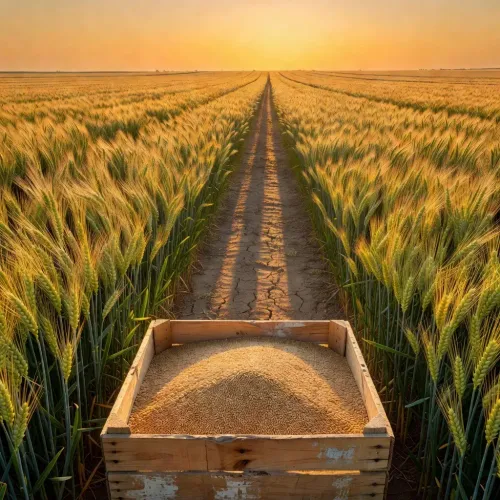
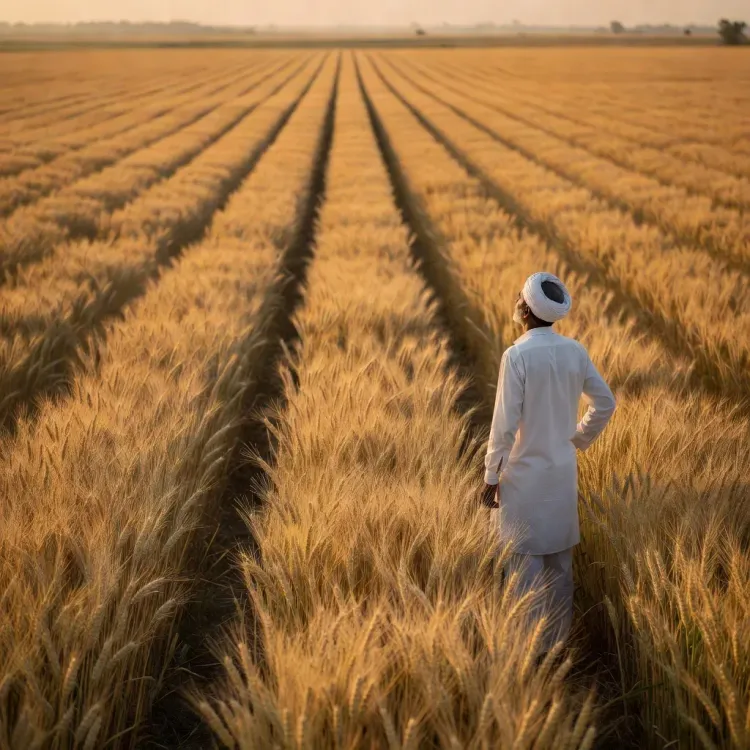
Rabi crops — sown in October–November and harvested in spring — include wheat, gram (chana), barley, lentils (masoor), and rapeseed-mustard. These are among India's most widely cultivated food crops, and their MSPs function as a price floor: if market rates fall below the declared level, government agencies step in to procure at the guaranteed price.
The Cabinet's approval covers all mandated Rabi crops for the 2027–28 marketing season. While the post and the official release do not specify the quantum of increase for individual crops, the decision itself locks in the government's procurement commitment ahead of the sowing window — giving farmers a defined floor as they plan input purchases.
The Commission, the Cabinet, and Decades of Price Policy
India's MSP architecture is not improvised year to year. The Commission for Agricultural Costs and Prices (CACP) — a statutory advisory body — analyses input costs, demand-supply dynamics, and inter-crop price parity before recommending rates to the government. The Cabinet then formally approves or revises those recommendations. This pipeline has operated continuously since at least the early 2000s, making the annual MSP announcement one of the most institutionalised rituals in Indian agricultural policy.
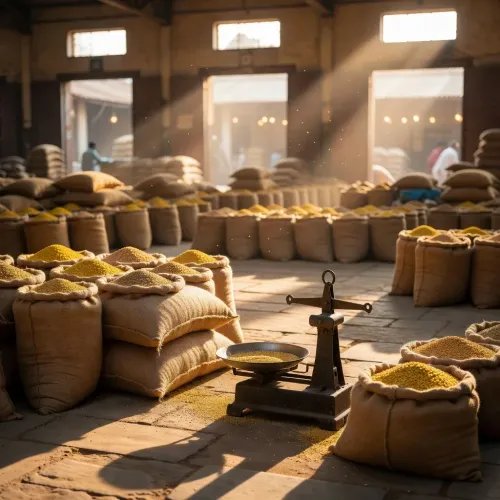
Procurement at MSP is carried out primarily by the Food Corporation of India (FCI) and state government agencies, which purchase eligible crops from registered farmers at declared prices. Wheat procurement in particular — the dominant rabi crop — runs into tens of millions of tonnes annually, making the MSP decision consequential not just for individual farmers but for national food-stock management.
What Farmers and Markets Will Watch Next
The Cabinet approval is the political and legal trigger. The operational details — crop-wise MSP rates, state-level procurement calendars, and registration windows for farmers — will follow through the Ministry of Agriculture and Farmers' Welfare. With the Rabi sowing season approaching, those numbers will determine whether the income-security promise translates into tangible relief at the mandi level.
For a government that has staked significant political capital on farm welfare — particularly after the contentious farm-law episode of 2020–21 — a pre-sowing MSP announcement carries weight well beyond the spreadsheet. The question is always the same: does the floor hold when the harvest comes in?
Point of View
Approving the hike ahead of the sowing season continues a pattern of pre-emptive price-floor guarantees, especially significant given the political sensitivity around farm incomes since the 2020–21 farm-law protests. The decision also reinforces the CACP-to-Cabinet pipeline as the legitimate institutional channel for farm price policy. Whether the announced floor translates into effective procurement relief will depend on the crop-wise rates and the operational reach of FCI and state agencies in the months ahead.
NationPress
30 Sept 2026
Frequently Asked Questions
What is MSP for Rabi crops and which crops are covered?
MSP, or Minimum Support Price, is a government-guaranteed floor price for agricultural produce. Mandated Rabi crops include wheat, gram (chana), barley, lentils (masoor), and rapeseed-mustard.
When did the Cabinet approve the MSP hike for Rabi 2027–28?
The Union Cabinet approved the MSP increase for all mandated Rabi crops for Marketing Season 2027–28 on 30 September 2026 .
Who decides MSP rates in India?
The Commission for Agricultural Costs and Prices (CACP) recommends MSP rates based on input costs and market conditions; the Union Cabinet gives the final approval.
How is MSP procurement carried out?
Procurement at MSP is primarily handled by the Food Corporation of India (FCI) and state government agencies, which buy eligible crops from registered farmers at the declared floor price.
What are the specific MSP rates announced for Rabi 2027–28?
The Cabinet decision approves an increase for all mandated Rabi crops, but crop-wise rates have not been specified in the announcement; detailed figures are expected from the Ministry of Agriculture and Farmers' Welfare.