Calcutta HC grants Abhishek Banerjee interim protection in all 16 police cases

Synopsis
The Calcutta High Court has now shielded TMC General Secretary Abhishek Banerjee from arrest in all 16 West Bengal Police cases — the last three covered in a single order on 11 August. Combined with the Supreme Court clearing his foreign travel for medical treatment a day earlier, Banerjee's legal position has shifted markedly in his favour, at least until 31 August.
Key Takeaways
Calcutta High Court granted Abhishek Banerjee interim protection from arrest in 3 additional cases on 11 August , covering all 16 West Bengal Police cases in total.
The protection order was issued by Justice Saugata Bhattacharyya and remains effective till 31 August .
Two cases were from Diamond Harbour Police district; one was under Kolkata Police 's Bhabanipur station.
The Supreme Court on Monday allowed Banerjee to travel abroad for 3 weeks for eye treatment, subject to conditions including use of his diplomatic passport .
Both the state government counsel and petitioners' counsel opposed the interim protection but were overruled by the court.
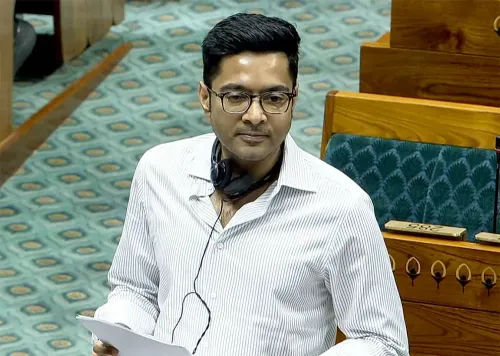
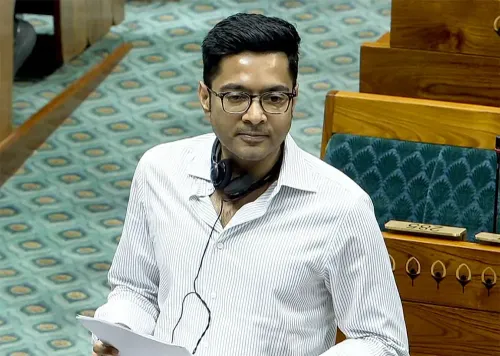
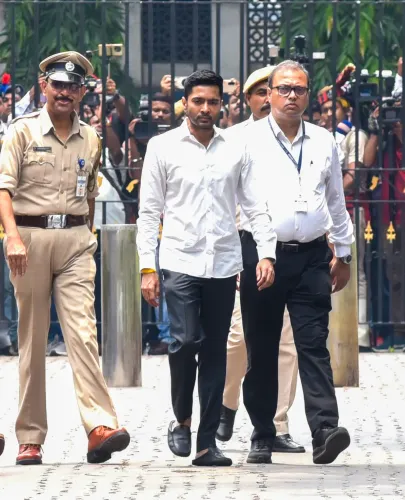
A single-judge Bench of the Calcutta High Court on Tuesday, 11 August granted interim protection from coercive police action — including arrest — to All India Trinamool Congress (TMC) General Secretary and Diamond Harbour Lok Sabha MP Abhishek Banerjee in three additional cases filed against him by the West Bengal Police. With this order, Banerjee now holds interim protection across all 16 cases registered against him by the state police, effective till 31 August.
Background: 16 Cases, Phased Protection
The West Bengal Police had registered a total of 16 cases against Abhishek Banerjee, who is also the nephew of former West Bengal Chief Minister Mamata Banerjee. The court had previously granted interim protection in 13 of those cases. Tuesday's order by Justice Saugata Bhattacharyya covers the remaining three, completing the protective shield across all registered cases.
Two of the three newly covered cases were registered at Kalitala Police Station and Bishnupur Police Station under the Diamond Harbour Police district, while the third was registered at Bhabanipur Police Station under Kolkata Police.
What the Court Ruled
Both the state government counsel and the counsel representing the petitioners — on whose complaints the FIRs were originally filed — opposed the grant of interim protection in court. They questioned the admissibility of petitions seeking interim protection rather than anticipatory bail.
Justice Bhattacharyya dismissed those objections, reasoning that denying protection in the remaining three cases would render the earlier interim protections in the other 13 cases effectively meaningless. The order remains in force till 31 August.
Supreme Court Had Cleared Foreign Travel a Day Earlier
The Calcutta High Court's ruling comes a day after the Supreme Court's Division Bench — comprising Chief Justice of India Surya Kant and Justices Joymalya Bagchi and V. Mohana — allowed Banerjee to travel abroad for three weeks for medical treatment of his eye. The bench set aside the Calcutta High Court's earlier refusal to relax restrictions on his foreign travel.
The Supreme Court's permission came with conditions: Banerjee must travel exclusively on his diplomatic passport and is required to share his itinerary and place of stay abroad with the investigating agency.
What This Means for Abhishek Banerjee
With interim protection now secured across all 16 cases and foreign travel cleared by the apex court, the immediate legal pressure on the Diamond Harbour MP has eased considerably — at least until 31 August, when the Calcutta High Court's order is due for review. Notably, the protections are interim in nature and do not amount to a final adjudication of the cases against him.
How the state police and petitioners respond before the next hearing date will shape whether the protection is extended or challenged further.
Point of View
With protections granted in instalments across multiple hearings. The Supreme Court stepping in to override the High Court on foreign travel in the same week raises questions about the consistency of the lower court's approach. More broadly, the pattern of a sitting MP facing 16 police cases in his home state — cases registered by a state government his own party controls — deserves scrutiny that neither side in this litigation appears eager to invite.
NationPress
25 Sept 2026
Frequently Asked Questions
What did the Calcutta High Court order on 11 August regarding Abhishek Banerjee?
The Calcutta High Court granted Abhishek Banerjee interim protection from coercive police action, including arrest, in three additional cases filed by the West Bengal Police. This brings the total number of cases in which he holds interim protection to 16, with the order effective till 31 August.
How many cases has the West Bengal Police registered against Abhishek Banerjee?
The West Bengal Police registered a total of 16 cases against Abhishek Banerjee. He had previously received interim protection in 13 of those cases; the Calcutta High Court's 11 August order covers the remaining three.
Why did the Supreme Court allow Abhishek Banerjee to travel abroad?
The Supreme Court's Division Bench, comprising Chief Justice of India Surya Kant and Justices Joymalya Bagchi and V. Mohana, allowed Banerjee to travel abroad for three weeks to receive medical treatment for his eye. The court set aside the Calcutta High Court's earlier refusal to relax travel restrictions, subject to conditions including travel on his diplomatic passport and sharing his itinerary with the investigating agency.
Who opposed the interim protection in the Calcutta High Court?
Both the West Bengal state government's counsel and the counsel for the petitioners who filed the original complaints opposed the grant of interim protection. They argued that the petitions were not the appropriate legal vehicle and that anticipatory bail should have been sought instead. Justice Saugata Bhattacharyya dismissed these objections.
What happens after 31 August in Abhishek Banerjee's cases?
The interim protection granted by the Calcutta High Court is valid till 31 August, after which the court will review the matter. Banerjee or his legal team will need to seek an extension or pursue further legal remedies if the cases remain active at that point.