Calcutta HC Slams EC for Bike Restrictions Before Bengal Polls
Synopsis
The Calcutta High Court stunned observers by publicly accusing the Election Commission of abusing its power after it banned pillion riding and restricted bike movement two days before Bengal polls. Justice Krishna Rao demanded five years of data on bike gang violence — and ordered an affidavit by Friday. A landmark ruling could follow.
Key Takeaways
Justice Krishna Rao of the Calcutta High Court publicly accused the Election Commission of India of abusing its power over bike restrictions before Bengal Assembly polls .
The ECI notification dated April 22 banned pillion riding and restricted motorcycle movement to 6 A.M.–6 P.M. for two days before polling day.
The court demanded the Election Commission produce data on bike gang violence incidents over the last five years in West Bengal to justify the directive.
The Election Commission must submit a detailed affidavit to the Calcutta High Court by Friday, April 25 , defending its restrictions.
Exemptions under the ECI order cover medical emergencies, school runs, social events, app-based cabs, and food delivery services ; others need written police permission.
The court's final ruling could set a national precedent on the limits of the Election Commission's authority over civilian movement during elections.
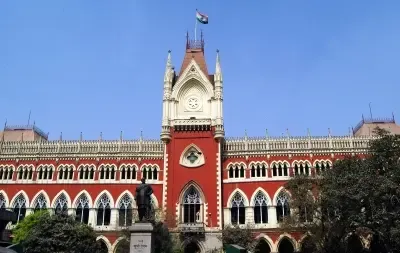
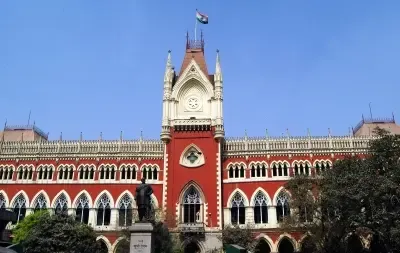
The Calcutta High Court on Thursday, April 24, delivered a sharp rebuke to the Election Commission of India (ECI) for imposing sweeping restrictions on motorcycle movement ahead of the West Bengal Assembly elections, calling the directive an abuse of institutional power that infringes on citizens' fundamental rights.
Court's Strong Observations Against Election Commission
Justice Krishna Rao, presiding over the case, directly told the Election Commission that it was misusing its authority and causing undue hardship to ordinary citizens. The judge's remarks came during a hearing on a petition challenging the poll body's notification issued on Tuesday, April 22.
Justice Rao pointedly questioned the logic behind the restrictions, stating that even cars could be stopped under such reasoning, yet determined individuals could still transport weapons and create disorder. The judge's observation underscored the disproportionate nature of the directive.
The court also demanded that the Election Commission present data showing how many verified incidents involving bike gangs causing violence or electoral disruption had been recorded over the last five years in Bengal.
What the Election Commission's Notification Said
The ECI notification stated that no motorcycle processions would be permitted during the two days preceding polling day. Additionally, bikes could only be operated between 6 A.M. and 6 P.M. during this window, and pillion riding was completely prohibited.
On the actual day of polling, bikes were permitted between 6 A.M. and 6 P.M., but exclusively for voters heading to polling booths or those with urgent personal requirements.
The commission carved out exemptions for medical emergencies, family obligations, school runs, and social events. App-based cab services and food delivery riders were also exempted from the restrictions.
However, any individual seeking exemption outside these categories was required to obtain written permission from the local police station, adding an administrative burden that critics argue is impractical during election periods.
Legal Challenge and Court Proceedings
The petition challenging the ECI's directive was brought to the attention of the Calcutta High Court on Wednesday, April 23. Justice Rao admitted the case and scheduled the hearing for the following day.
During Thursday's hearing, the court expressed its view that the restrictions appeared designed to mask administrative failures rather than genuinely address security concerns. The judge noted this was a blanket measure aimed at halting normal life entirely in the days leading up to the vote.
Election Commission to File Affidavit on Friday
Following the court's strong observations, the Election Commission has been directed to submit a detailed affidavit by Friday, April 25. In this affidavit, the poll body is expected to justify the rationale behind the motorcycle restrictions and may cite historical incidents of bike-borne violence during elections in West Bengal.
The affidavit will be a critical document — if the ECI fails to substantiate its claims with concrete data, the court may strike down or significantly modify the restrictions before polling day.
Impact on Citizens and Broader Implications
The restrictions have drawn widespread concern among daily commuters, delivery workers, and voters in West Bengal who rely on two-wheelers as their primary mode of transport. Critics argue the notification disproportionately burdens lower-income residents who cannot afford alternative transport.
The case also raises broader constitutional questions about the extent of the Election Commission's powers under the Model Code of Conduct and whether security-driven directives can override citizens' right to free movement.
With the Election Commission's affidavit due on Friday, April 25, the Calcutta High Court's final ruling could set a significant precedent for how electoral bodies exercise authority over civilian movement during future elections across India.
Point of View
Particularly when they appear to impose blanket restrictions without proportionate justification. While electoral security is a legitimate concern in West Bengal given its history of poll violence, the Commission must demonstrate evidence-based policymaking rather than broad curbs that burden ordinary citizens. The Friday affidavit will be a defining test of the ECI's accountability before the judiciary.
NationPress
24 Sept 2026
Frequently Asked Questions
Why did the Calcutta High Court criticise the Election Commission over bike restrictions?
The Calcutta High Court criticised the Election Commission because Justice Krishna Rao found its motorcycle restrictions ahead of Bengal polls to be an abuse of power that violated citizens' rights to free movement. The court questioned the proportionality of the ban and demanded data on past incidents of bike gang violence to justify it.
What are the Election Commission's bike restrictions before Bengal elections?
The Election Commission barred motorcycle processions and pillion riding two days before the Bengal polls, allowing solo bike rides only between 6 A.M. and 6 P.M. On polling day, bikes are permitted during the same hours exclusively for voting or urgent needs, with exemptions for medical emergencies, school runs, and app-based delivery services.
What happens next after the Calcutta HC hearing on the bike ban?
The Election Commission is required to file an affidavit before the Calcutta High Court by Friday, April 25, explaining the rationale behind the bike restrictions. The court's ruling after reviewing the affidavit could uphold, modify, or strike down the directive before polling day.
Who can get exemption from the Election Commission's bike ban in Bengal?
Exemptions are available for medical emergencies, family obligations, school transport, social events, app-based cab services, and food delivery riders. Anyone outside these categories must obtain written permission from their local police station to ride a motorcycle during the restricted period.
Does the Election Commission have the power to restrict bike movement before elections?
The Election Commission holds broad powers under the Model Code of Conduct to issue security-related directives ahead of polls. However, the Calcutta High Court is currently scrutinising whether these powers can extend to restricting civilian movement without sufficient evidence-based justification, raising significant constitutional questions.