Drug cartels inciting Northeast violence to revive smuggling routes: Intel
Synopsis
Indian intelligence agencies have sounded a stark alarm: drug cartels linked to Myanmar are deliberately trying to foment violence across the Northeast to cripple the very security apparatus that just dealt them a ₹50 crore Yaba seizure blow. With Manipur elections on the 2027 horizon, the window for cartel exploitation is opening — and officials warn the destabilisation playbook combines disinformation, arms smuggling, and illegal infiltration alongside narcotics.
Key Takeaways
Intelligence agencies warn that drug cartels are actively trying to incite violence in northeastern India to disrupt security operations and reopen narcotics routes.
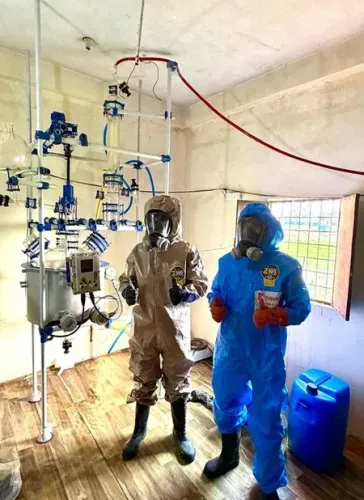
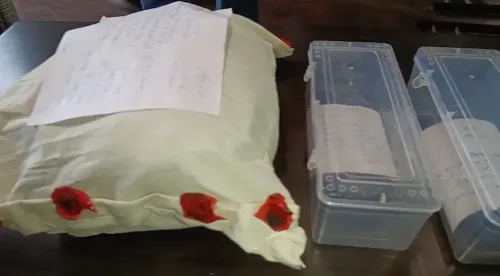
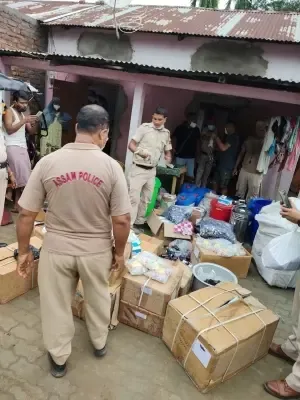
The NCB recently seized Yaba tablets worth ₹50 crore and arrested two operatives from Guwahati in a major blow to a Myanmar-based syndicate .
Cartels are reportedly running disinformation campaigns alongside physical smuggling attempts to erode the morale of security agencies.
Officials flag the 2027 Manipur assembly elections as a key vulnerability, with election-duty redeployments historically thinning border surveillance.
Smuggling networks are said to serve multiple purposes beyond drugs — including arms trafficking and illegal infiltration from across the border.
Home Minister Amit Shah has reiterated the government's commitment to pursuing the war on drugs 'to its logical conclusion.'
Fresh intelligence inputs have flagged a concerted effort by drug cartels to incite widespread violence across several northeastern states of India, with the explicit aim of disrupting security operations and reopening narcotics smuggling corridors. The warning, attributed to senior officials in the security establishment, comes amid a sustained crackdown by the Narcotics Control Bureau (NCB) that has significantly damaged cartel operations in the region.
Why Cartels Are Targeting the Northeast
According to an Intelligence Bureau official, the link between violence and drug trafficking is deliberate. 'Peace is a major deterrent for drug operations,' the official said. When law enforcement agencies are pulled into managing civil unrest, cartels exploit the resulting security vacuum to move narcotics across borders and into other parts of the country. The official noted that the idea is to 'break the security chain so that drugs can flow freely into the region and then be smuggled across other parts of the country.'
Despite operating in challenging terrain — including rugged hills and riverine corridors — Indian security agencies have managed to largely contain major drug flows originating from Myanmar. This success, officials say, has made cartels 'desperate' to find new pressure points.
Disinformation and Destabilisation Tactics
Intelligence agencies warn that cartels are deploying a multi-pronged strategy beyond physical smuggling. Officials say these groups are actively running disinformation campaigns to inflame tensions and erode the morale of security personnel. 'The end goal is to ensure that the whole of northeast burns,' one official said, adding that a destabilised northeast serves multiple interests — narcotics trafficking, arms smuggling, and the infiltration of illegal immigrants and terrorists from across the border.
Officials also noted that cross-border elements are 'waiting to capitalise' on any violence that breaks out, using the same routes for weapons and contraband alongside drugs.
Myanmar-Origin Drugs at the Centre of the Threat
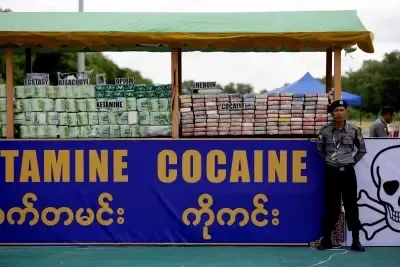
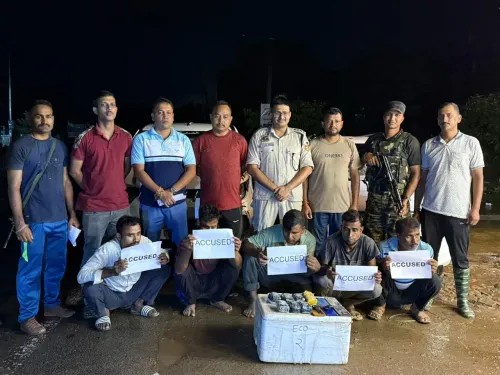
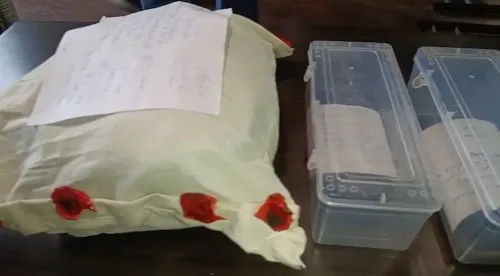
The primary narcotics in circulation are heroin and Yaba — a combination of methamphetamine and caffeine — which form the backbone of Myanmar-based drug syndicates. Both substances are trafficked into the northeast in large volumes before being distributed across India. The recent NCB seizure of Yaba tablets worth ₹50 crore in a single operation dealt a significant blow to one such syndicate. Two operatives were arrested from Guwahati in connection with the bust, and the NCB has launched a manhunt for several absconding accused.
Election Year Window in Manipur a Key Concern
Officials have flagged the upcoming Manipur assembly elections, slated for 2027, as a critical vulnerability. Historically, election periods stretch security agency resources as personnel are redeployed for poll duty, creating gaps that cartels, terror groups, and smugglers have exploited in the past. 'In an election year, the biggest push by such cartels is usually made,' an official noted, warning that the window could be used to reactivate dormant supply chains.
Government Response and Ongoing Operations
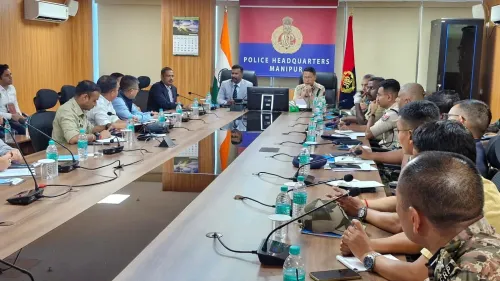
The Modi government has stated a broader policy objective of making India drug-free. Union Home Minister Amit Shah has repeatedly emphasised that the 'war on drugs would be taken to its logical conclusion.' Multiple agencies are reportedly working in coordination, and officials say that over the past year, significant progress has been made in dismantling drug operations linked to Pakistan, Myanmar, and networks operating out of southern Indian states.
With cartel pressure mounting ahead of the election cycle, security agencies are expected to intensify surveillance along northeastern border corridors in the months ahead.
Point of View
Narcotics corridors reopen almost automatically, and that is precisely what cartels are banking on. The Manipur election calendar adds a structural vulnerability: election-duty redeployments have historically thinned border surveillance. What is notably absent from official statements is any mention of an independent verification mechanism for disinformation — the very tool cartels are said to be weaponising — raising the question of whether India's counter-narrative infrastructure is as robust as its interdiction record.
NationPress
23 Oct 2026
Frequently Asked Questions
Why are drug cartels trying to incite violence in Northeast India?
According to intelligence officials, drug cartels are attempting to trigger violence in northeastern states to divert the attention of security agencies away from anti-narcotics operations. When agencies are occupied managing civil unrest, it creates a security vacuum that cartels exploit to move drugs across borders and into the rest of India.
Which drugs are being smuggled through the Northeast?
The primary narcotics are heroin and Yaba — a methamphetamine-caffeine combination — both of which originate from Myanmar-based syndicates. These drugs are trafficked through northeastern corridors before being distributed across India, and they form the financial backbone of the cartels involved.
What was the recent NCB bust in Guwahati?
The NCB seized Yaba tablets worth ₹50 crore in a major operation, arresting two operatives from Guwahati in connection with a Myanmar drug syndicate. The agency has since prepared a list of absconding accused and launched a manhunt for them.
How does the 2027 Manipur election factor into the cartel threat?
Officials warn that election years represent a peak risk period, as security agencies are stretched by poll-duty deployments, reducing border surveillance. Cartels, terror groups, and smugglers have historically exploited these windows to reactivate supply chains and move contraband.
What is the government doing to counter the drug trafficking threat in the Northeast?
Multiple central agencies, including the NCB and Intelligence Bureau, are coordinating operations against drug networks linked to Myanmar, Pakistan, and southern India. Home Minister Amit Shah has repeatedly stated the government's commitment to pursuing the 'war on drugs to its logical conclusion,' and officials indicate increased surveillance along border corridors is being planned.