Cauvery water release, Mekedatu project top 51st CMA meeting agenda
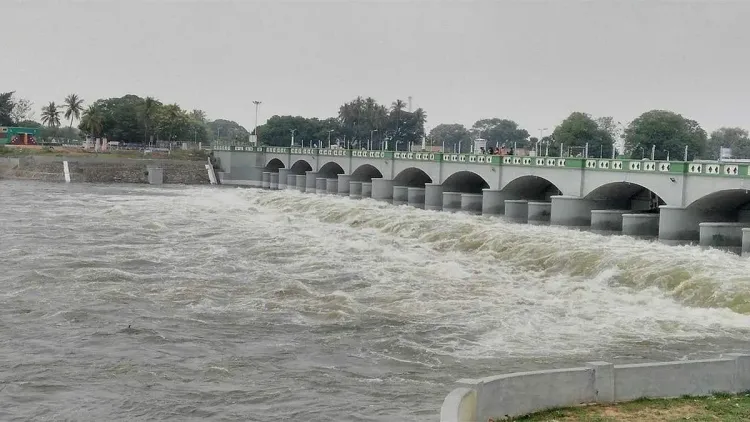
Synopsis
With Tamil Nadu farmers awaiting a water release order ahead of the June Kuruvai paddy season — and no formal directive yet issued — the 51st CMA meeting in New Delhi puts the Cauvery dispute back under the spotlight. The contested Mekedatu reservoir project adds a deeper political layer to what is already an annual flashpoint between Karnataka and Tamil Nadu.
Key Takeaways
The 51st CMA meeting is scheduled in New Delhi on Tuesday, 27 May 2025 , chaired by S.K.
Representatives from Tamil Nadu , Karnataka , Kerala , and Puducherry will participate.
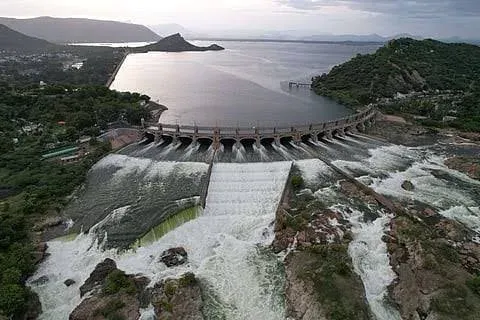
Water release through Mettur dam is traditionally expected around 12 June for the Kuruvai paddy season — no formal order has been issued yet.
Karnataka's proposed Mekedatu balancing reservoir project is expected to be discussed; Tamil Nadu has consistently opposed it.
The CMA and Cauvery Water Regulation Committee were set up by the Centre on Supreme Court directions.
The 51st meeting of the Cauvery Management Authority (CMA) is set to convene in New Delhi on Tuesday, 27 May 2025, with two critical issues dominating the agenda: the release of Cauvery River water to Tamil Nadu ahead of the Kuruvai cultivation season, and the long-contested Mekedatu balancing reservoir project proposed by Karnataka. The meeting carries heightened urgency as farmers in Tamil Nadu's delta districts await a formal water release order that has not yet been issued.
Key Issues on the Agenda
The meeting, chaired by CMA Chairman S.K. Haldar, will bring together representatives from Tamil Nadu, Karnataka, Kerala, and Puducherry — the four riparian states and union territory bound by the Cauvery water-sharing framework. Officials are expected to deliberate on monthly water release obligations from Karnataka to Tamil Nadu, as well as rainfall patterns and reservoir storage levels across the Cauvery catchment area.
The Cauvery Management Authority and the Cauvery Water Regulation Committee were established by the Centre following directions from the Supreme Court to regulate water sharing among basin states.
Kuruvai Season Concerns
Tamil Nadu traditionally depends on water released through the Mettur dam around 12 June each year to support paddy cultivation in the Cauvery delta districts. The Kuruvai season, which begins in June, is a critical agricultural cycle for the region's farming communities. Farmers have reportedly expressed growing anxiety as no formal order for the current season's release has been issued, raising fears about delayed sowing and potential crop losses.
This concern is not new — water availability disputes between Tamil Nadu and Karnataka have recurred almost every year, with the delta's agricultural calendar directly tied to upstream reservoir levels and monsoon performance in Karnataka.
The Mekedatu Flashpoint
The proposed Mekedatu balancing reservoir project remains among the most contentious inter-state water disputes in southern India. Karnataka has long advocated the project, arguing it would help store surplus Cauvery water and meet drinking water needs in Bengaluru. Tamil Nadu has consistently opposed it, contending the project could reduce the state's guaranteed share of Cauvery water.
The project has been pending for years and has periodically triggered political tensions between the two states. Its inclusion in the CMA meeting agenda signals that the issue remains unresolved and politically charged ahead of the monsoon season.
What's at Stake
The outcome of Tuesday's meeting is expected to be closely monitored by farming communities, political stakeholders, and water policy observers across the Cauvery basin. Any decision — or absence of one — on water release timelines could directly influence agricultural planning across Tamil Nadu's delta districts for the coming season. The broader question of how the CMA enforces compliance and adjudicates competing state interests under Supreme Court oversight will also be in focus.
Point of View
While the Mekedatu project remains in bureaucratic limbo despite years of political posturing from both sides. The deeper structural problem is that the CMA lacks strong enforcement teeth: it can recommend and monitor, but compliance ultimately depends on state goodwill and monsoon luck. Until the inter-state water dispute mechanism is strengthened with binding timelines and independent verification, these meetings risk becoming high-profile exercises that defer rather than resolve.
NationPress
24 Sept 2026
Frequently Asked Questions
What is the Cauvery Management Authority (CMA) meeting about?
The 51st CMA meeting in New Delhi on 27 May 2025 is set to discuss Karnataka's monthly water release obligations to Tamil Nadu ahead of the Kuruvai cultivation season, as well as the disputed Mekedatu balancing reservoir project. It brings together representatives from Tamil Nadu, Karnataka, Kerala, and Puducherry under the Cauvery water-sharing framework.
Why is the Kuruvai season significant for Tamil Nadu farmers?
The Kuruvai paddy cultivation season, which begins in June in Tamil Nadu's Cauvery delta districts, depends on timely water release through the Mettur dam — traditionally expected around 12 June. No formal water release order has been issued ahead of the 2025 season, causing concern among farming communities.
What is the Mekedatu project and why is it controversial?
The Mekedatu balancing reservoir is a project proposed by Karnataka to store surplus Cauvery water, primarily to meet Bengaluru's drinking water needs. Tamil Nadu has consistently opposed it, arguing the project could reduce its constitutionally guaranteed share of Cauvery water, making it a long-running flashpoint between the two states.
Who oversees Cauvery water sharing between states?
The Cauvery Management Authority and the Cauvery Water Regulation Committee, both constituted by the Centre following Supreme Court directions, are responsible for overseeing and regulating Cauvery water sharing among the basin states of Tamil Nadu, Karnataka, Kerala, and Puducherry.
What happens if no water release decision is taken at the CMA meeting?
If no formal decision on water release timelines is reached, Tamil Nadu's delta farmers risk delays in the Kuruvai paddy sowing cycle, which could affect agricultural output in the region. The matter could also escalate to political and legal channels, as has happened in previous years.