Cauvery water crisis: Karnataka lacks reserves to release 4.5 TMC to Tamil Nadu, says Minister M.B. Patil
Synopsis
Karnataka has pushed back hard against the CWRC’s order to release 4.5 TMC of Cauvery water to Tamil Nadu, with Minister M.B. Patil citing a weak monsoon and absent drought-year sharing norms. The standoff revives a decades-old fault line — and puts the stalled Mekedatu project back at the centre of the debate.
Key Takeaways
Patil on 29 July said Karnataka lacks sufficient Cauvery water to comply with the CWRC ’s order to release 4.5 TMC to Tamil Nadu.
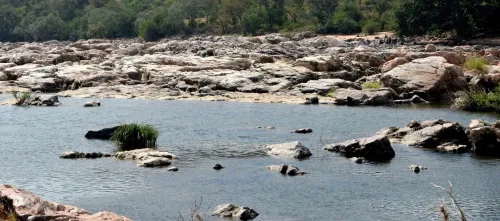
Poor monsoon conditions have led to below-normal inflows into reservoirs in the Cauvery catchment area .
Karnataka has historically released more than the prescribed 177 TMC in good rainfall years, but no distress-sharing formula exists for drought years.
Patil backed the Mekedatu balancing reservoir project as a permanent fix, saying it would benefit both states; he blamed Tamil Nadu’s internal politics for stalling progress.
Karnataka says it needs infrastructure to store 65 TMC , including an additional 14 TMC under the final Cauvery award.
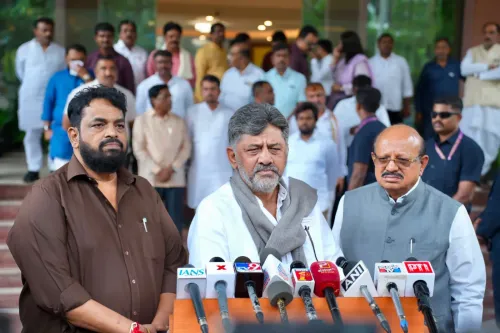
Shivakumar and Water Resources Minister Ramalinga Reddy are expected to deliberate on crisis measures.
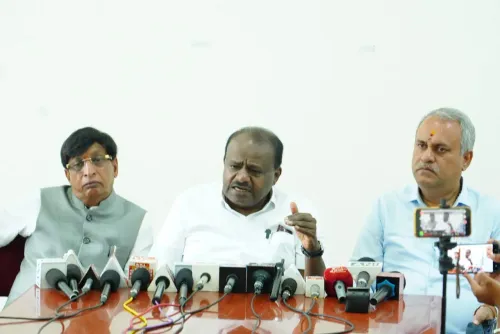
Karnataka does not have adequate Cauvery water to release to Tamil Nadu this year, Large and Medium Industries Minister M.B. Patil declared on Wednesday, 29 July, sharply criticising the Cauvery Water Regulation Committee (CWRC) for directing the state to release 4.5 TMC of water to its southern neighbour. The minister cited poor monsoon conditions across the Cauvery basin as the primary reason for the shortfall.
Inadequate Rainfall Behind the Shortfall
Minister Patil told reporters that reservoirs in the Cauvery catchment area have received below-normal inflows this season owing to a weak monsoon. “There has not been good rainfall in the Cauvery basin this year. Consequently, the reservoirs in the region do not have enough water. Under such circumstances, it is not appropriate for the Cauvery Water Regulation Committee to direct Karnataka to release 4.5 TMC of water to Tamil Nadu,” he said.
Karnataka’s Position on Water Sharing
Patil emphasised that Karnataka has historically been cooperative in sharing Cauvery waters during years of surplus. “When there is good rainfall, there is no problem in sharing Cauvery water. In such years, Karnataka has released more than the prescribed 177 TMC to Tamil Nadu. However, there is no distress-sharing formula in place for drought years,” he said. This absence of a drought-year protocol has long been a structural gap in the inter-state water-sharing arrangement, critics argue.
Mekedatu Project Cited as Lasting Solution
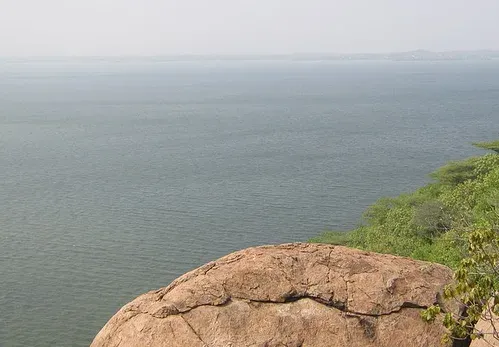
The minister reiterated support for the proposed Mekedatu balancing reservoir project, which he said would resolve recurring Cauvery disputes. Patil noted that the concept was first mooted during his own tenure as Water Resources Minister. “The project will benefit Tamil Nadu as well. However, internal politics in that state is preventing progress. Tamil Nadu should acknowledge the simple fact that the Mekedatu reservoir will be beneficial to both states,” he asserted. Karnataka has argued it requires infrastructure to store a total of 65 TMC of water, including an additional 14 TMC allocated to the state under the final Cauvery water-sharing award.
Government’s Next Steps
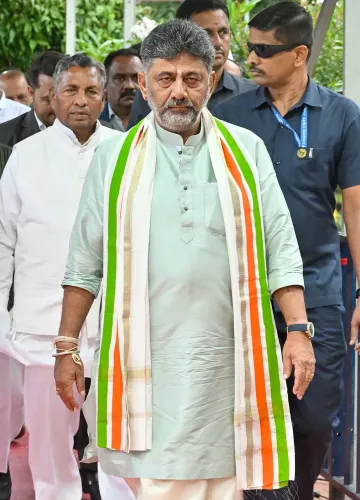
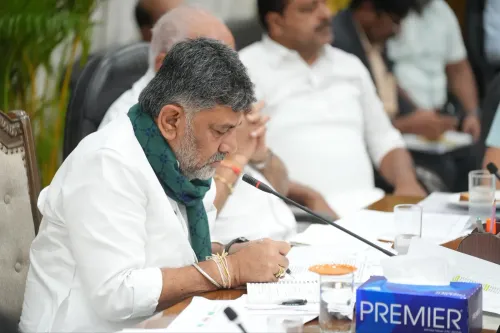
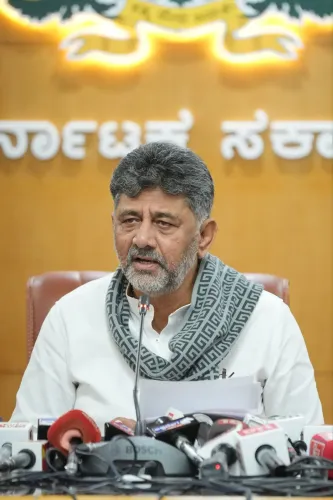
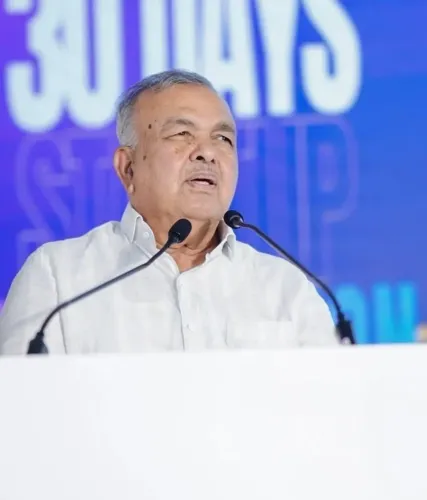
Patil said Chief Minister D.K. Shivakumar — who previously held the Water Resources portfolio — and current Water Resources Minister Ramalinga Reddy would deliberate on measures to address the ongoing crisis. He also urged the CWRC to examine current reservoir storage levels, including video evidence and official data, before arriving at any decision on water release. This comes amid growing pressure on the committee to balance the competing demands of both states during what is shaping up to be a difficult monsoon year.
The Cauvery dispute, one of India’s longest-running inter-state water conflicts, has periodically strained relations between Karnataka and Tamil Nadu for decades. With no drought-year sharing formula in place and the Mekedatu project stalled, the current standoff underscores the unresolved structural fault lines in the arrangement.
Point of View
But it does not resolve the underlying inequity. The Mekedatu project, championed by Karnataka as the answer, has been caught in inter-state politics for over a decade — and neither state has shown the appetite for a genuine compromise. Until a drought-year protocol is codified and Mekedatu moves from concept to construction, this standoff will repeat itself every deficient monsoon season.
NationPress
28 Oct 2026
Frequently Asked Questions
Why is Karnataka refusing to release Cauvery water to Tamil Nadu?
Karnataka says its reservoirs have received inadequate inflows due to a weak monsoon in the Cauvery basin this year, leaving it without sufficient water to comply with the CWRC’s direction to release 4.5 TMC to Tamil Nadu. Minister M.B. Patil has called the directive inappropriate given current storage levels.
What is the CWRC and what has it directed?
The Cauvery Water Regulation Committee (CWRC) is the body that oversees implementation of the Supreme Court’s Cauvery water-sharing award between Karnataka, Tamil Nadu, Kerala, and Puducherry. It has directed Karnataka to release 4.5 TMC of water to Tamil Nadu, a direction the state is contesting on grounds of poor monsoon conditions.
What is the Mekedatu balancing reservoir project?
The Mekedatu project is a proposed balancing reservoir on the Cauvery river in Karnataka, intended to store surplus water during high-flow periods for use during lean months. Karnataka argues it would benefit both states, but Tamil Nadu has opposed it, and the project has remained stalled amid inter-state disagreements.
Is there a formula for sharing Cauvery water during drought years?
No. As Minister Patil pointed out, there is currently no distress-sharing formula in place for drought years under the existing Cauvery water-sharing arrangement. Karnataka has historically released more than its prescribed allocation during surplus years but argues it cannot be held to the same standard when reservoirs are critically low.
What happens next in the Cauvery water dispute?
Chief Minister D.K. Shivakumar and Water Resources Minister Ramalinga Reddy are expected to deliberate on the state’s response. Karnataka has also urged the CWRC to examine reservoir storage data and video evidence before issuing any further directions on water release.