Cauvery water dispute: Anbumani backs TN's Supreme Court move after talks collapse
Synopsis
Bilateral diplomacy over Cauvery water has collapsed — and PMK's Anbumani Ramadoss says that is exactly why Tamil Nadu should have gone to the Supreme Court from the start. With CM Vijay's Bengaluru talks derailed by protests on both sides, the state now pivots to legal action, with a petition expected after 5 August targeting both immediate water releases and a stay on the Mekedatu dam's project report.
Key Takeaways
PMK president Anbumani Ramadoss on 1 August welcomed Tamil Nadu's decision to approach the Supreme Court over Cauvery water.
Proposed bilateral talks between CM C.
Joseph Vijay and Karnataka CM D.K.
Shivakumar were deferred after protests on both sides made the atmosphere 'not conducive'.
Tamil Nadu Law Minister R.
Nirmal Kumar announced the Supreme Court petition; it is expected to be filed after 5 August .
Anbumani urged the state to seek compliance with Cauvery Water Management Authority (CWMA) orders and oppose the Mekedatu dam's Detailed Project Report .
PMK has called for a firm policy of avoiding direct bilateral negotiations with Karnataka on Cauvery water.
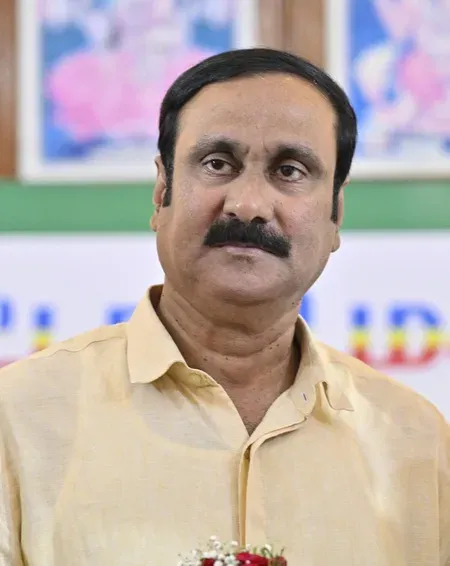
Pattali Makkal Katchi (PMK) president Anbumani Ramadoss on Saturday, 1 August welcomed the Tamil Nadu government's decision to approach the Supreme Court over its rightful share of Cauvery water, calling judicial intervention the appropriate path after proposed bilateral talks with Karnataka failed to take off. The endorsement comes amid escalating inter-state tensions over water releases and the contentious Mekedatu dam proposal.
How the Bilateral Route Collapsed
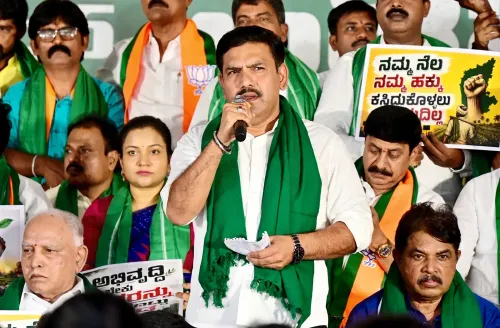
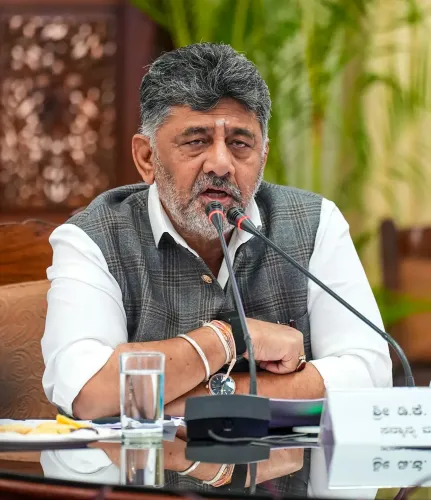
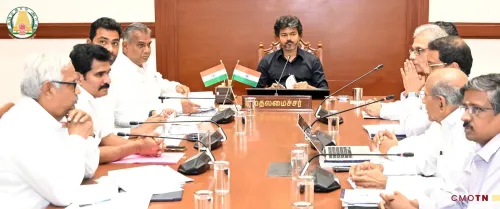
The Tamil Nadu government had earlier announced that Chief Minister C. Joseph Vijay would travel to Bengaluru for direct discussions with Karnataka Chief Minister D.K. Shivakumar on Cauvery water sharing and the proposed Mekedatu reservoir. However, the plan ran into resistance on both sides — protests intensified in Karnataka over the water dispute, while opposition to the talks mounted within Tamil Nadu as well.
The Karnataka government subsequently conveyed that the prevailing atmosphere was not conducive to bilateral discussions, leading to the proposed meeting being deferred indefinitely.
The Legal Push and What It Seeks
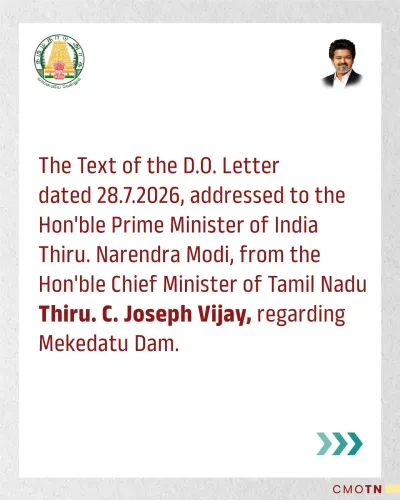
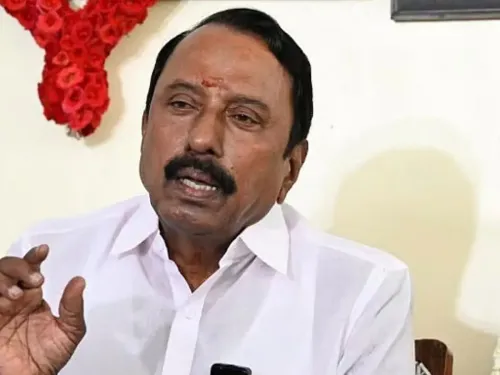
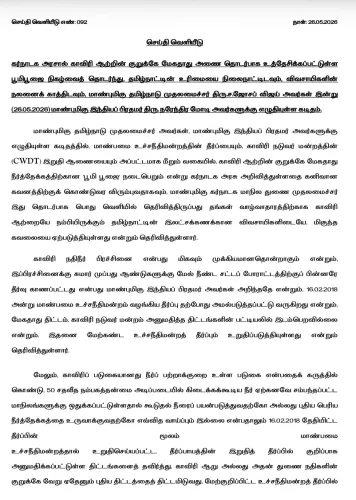
Tamil Nadu Law Minister R. Nirmal Kumar has since announced that the state will petition the Supreme Court seeking the immediate release of its due share of Cauvery water. Officials have indicated the petition is expected to be filed after 5 August.
Anbumani urged the government to move swiftly before the apex court and seek directions compelling Karnataka to release Tamil Nadu's share in accordance with the orders of the Cauvery Water Management Authority (CWMA). He also called on the state to place comprehensive data and records before the court to substantiate its case.
PMK's Broader Position on Cauvery Negotiations
Anbumani was pointed in his criticism of the initial bilateral approach, saying the state had 'chosen the wrong course' by attempting direct negotiations but had 'now moved in the right direction' by opting for judicial recourse. He urged Tamil Nadu to adopt a firm policy of avoiding direct talks with Karnataka on both Cauvery water sharing and the Mekedatu project going forward.
According to him, Tamil Nadu's water interests could be protected effectively only through legal and institutional mechanisms governing inter-state river disputes — not through political back-channels.
A Note on CM Vijay's Political Calculus
Anbumani acknowledged that Chief Minister Vijay, being relatively new to electoral politics, might have believed a fresh political approach could unlock Tamil Nadu's water requirements. However, he argued that Karnataka's position on Cauvery water has remained unchanged regardless of which political party holds power in the neighbouring state — making bilateral goodwill an unreliable instrument.
Opposition to Mekedatu Project
Beyond immediate water releases, Anbumani called on Tamil Nadu to strongly oppose the Mekedatu dam project and seek a stay on the preparation of its Detailed Project Report (DPR). Critics in Tamil Nadu argue the project, if built, would give Karnataka greater upstream control over Cauvery flows, further complicating the state's access to its allocated share. The Supreme Court petition is expected to address both the short-term release deficit and the longer-term structural concern posed by Mekedatu.
Point of View
Only through court orders. Anbumani's critique is pointed but also convenient: PMK has long positioned itself as the harder-line custodian of Tamil Nadu's water rights, and backing the legal route costs nothing when the talks have already fallen apart. The more substantive question is whether the Supreme Court petition addresses only the immediate release deficit or also mounts a credible challenge to Mekedatu — a project that, if cleared, would shift the balance of Cauvery control permanently. Tamil Nadu's legal strategy in the coming weeks will reveal whether this is reactive posturing or a well-prepared institutional offensive.
NationPress
16 Sept 2026
Frequently Asked Questions
Why is Tamil Nadu approaching the Supreme Court over Cauvery water?
Tamil Nadu is approaching the Supreme Court to secure its rightful share of Cauvery water after proposed bilateral talks with Karnataka were deferred. The state's Law Minister R. Nirmal Kumar announced the legal move, with the petition expected to be filed after 5 August, seeking directions for Karnataka to comply with Cauvery Water Management Authority orders.
What happened to the proposed talks between Tamil Nadu and Karnataka?
Chief Minister C. Joseph Vijay had planned to visit Bengaluru for discussions with Karnataka CM D.K. Shivakumar on Cauvery water sharing and the Mekedatu dam. The talks were derailed by protests in both states, and Karnataka conveyed that conditions were not conducive to bilateral discussions, leading to the meeting being deferred.
What is the Mekedatu dam and why does Tamil Nadu oppose it?
The Mekedatu dam is a proposed reservoir project by Karnataka on the Cauvery river. Tamil Nadu opposes it, arguing it would give Karnataka greater upstream control over Cauvery flows. PMK's Anbumani Ramadoss has urged Tamil Nadu to seek a stay on the preparation of the project's Detailed Project Report before the Supreme Court.
What did Anbumani Ramadoss say about Chief Minister Vijay's approach?
Anbumani said CM Vijay, being relatively new to politics, may have believed a fresh political approach could help secure Tamil Nadu's water needs. However, he argued that Karnataka's position on Cauvery water has remained unchanged regardless of which party governs the state, making bilateral negotiations an ineffective strategy.
What is the Cauvery Water Management Authority?
The Cauvery Water Management Authority (CWMA) is the statutory body responsible for regulating and supervising the implementation of the Cauvery water-sharing scheme between the riparian states. Tamil Nadu's petition will seek Supreme Court directions for Karnataka to release water in accordance with CWMA orders.