Mekedatu dam: Tamil Nadu CM Vijay chairs high-level strategy meet after Assembly resolution
Synopsis
A day after Tamil Nadu's Assembly unanimously resolved against Karnataka's Mekedatu dam, CM C. Joseph Vijay convened a high-level legal and administrative strategy session — signalling the State is moving from political declaration to concrete action in one of India's most contentious inter-state water disputes.
Key Takeaways
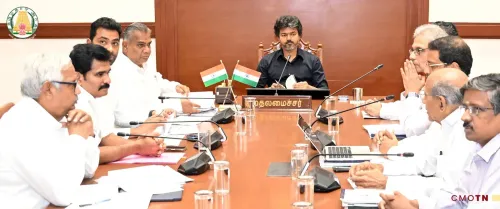
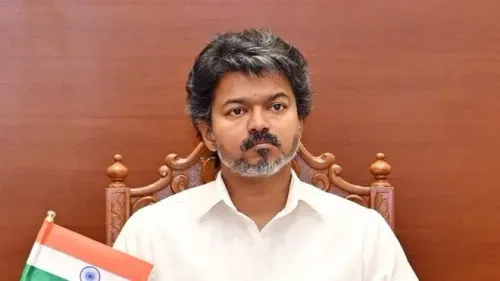
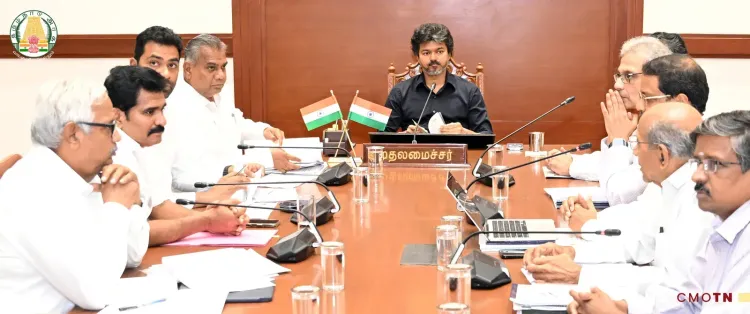
Joseph Vijay chaired a high-level strategy meeting at the State Secretariat, Chennai on 20 July .
The meeting followed the Tamil Nadu Legislative Assembly's unanimous resolution opposing Karnataka's Mekedatu dam project .
Focus was on legal and administrative steps to address the Cauvery water shortfall at Mettur Dam .
Senior attendees included the Advocate General , Chief Secretary , Cauvery Technical Committee Chairman , and multiple ministers.
Vijay called for bipartisan unity, saying protecting Tamil Nadu farmers' water rights was the State's foremost priority.
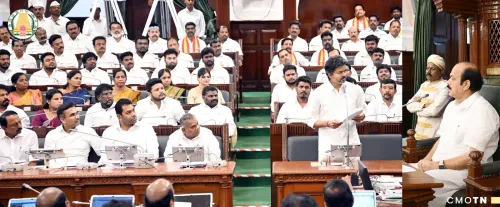
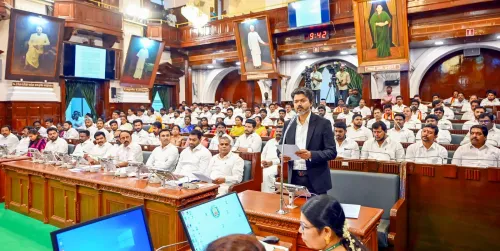
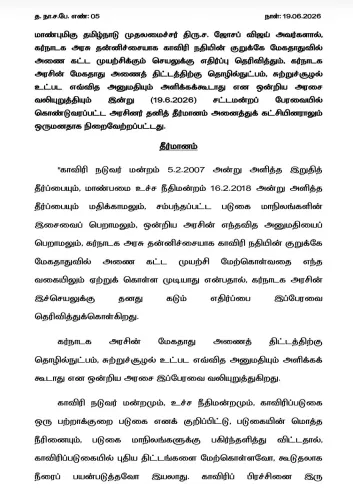
Tamil Nadu Chief Minister C. Joseph Vijay on Monday, 20 July chaired a high-level meeting at the State Secretariat in Chennai to determine the next steps in the State's intensifying opposition to Karnataka's proposed Mekedatu dam project. The meeting came a day after the Tamil Nadu Legislative Assembly unanimously passed a resolution — backed by all political parties — firmly opposing the reservoir project on the Cauvery River.
What the Meeting Covered
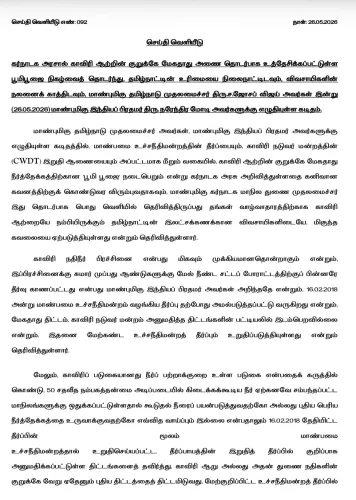
According to an official press release, the consultation centred on legal and administrative measures to address the continuing shortfall in Cauvery water inflows from Karnataka to the Mettur Dam, as well as the State's sustained opposition to the Mekedatu reservoir. Senior legal experts, members of the Cauvery Technical Committee, and top government officials reviewed the current situation and discussed strategies to protect Tamil Nadu's water rights.
Who Attended
The meeting brought together a high-powered group of officials and ministers. Among those present were Minister for Rural Development and Water Resources N. Anand, Minister for Public Works and Sports Development Adhav Arjuna, Minister for Energy and Law C.T.R. Nirmal Kumar, Chief Secretary Dr M. Sai Kumar, Advocate General Vijay Narayan, Water Resources Principal Secretary Dr Satyaprat Sahu, Law Secretary P. Sumathi, and Cauvery Technical Committee Chairman R. Subramanian, along with other senior officials.
What the Assembly Resolution Said
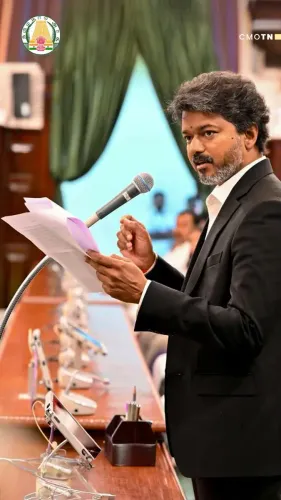
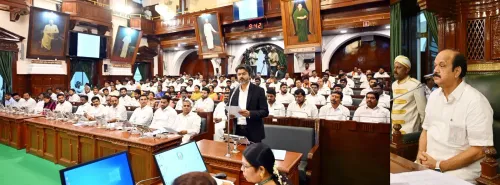
Moving the resolution in the Assembly, Chief Minister Vijay stressed that the protection of Tamil Nadu's rights over the Cauvery River transcended political differences and required a united stand. He described water as one of the State's most vital resources and said the right to river water was among the most fundamental rights of its people.
Appealing for bipartisan support, Vijay urged all legislators to rise above party lines and present a united front without engaging in political blame games. He emphasised that the resolution had been introduced solely to protect the interests of Tamil Nadu's farmers and ensure the State's long-term water security.
What Comes Next
The meeting signals Tamil Nadu's determination to escalate both legal and administrative action against the Mekedatu project while continuing to press Karnataka for its rightful share of Cauvery waters. This comes amid a long-running inter-state water dispute that has repeatedly reached the Supreme Court and the Cauvery Water Management Authority. The State is expected to firm up its legal strategy in the coming days as it prepares to mount a more forceful challenge to Karnataka's dam plans.
Point of View
Not merely a symbolic gesture. The timing matters: Karnataka has been seeking Central clearances for Mekedatu, and a coordinated Tamil Nadu pushback at multiple forums simultaneously raises the political cost of any federal accommodation. What is less clear is whether Tamil Nadu's legal arsenal has materially strengthened since its last Supreme Court round, or whether this is primarily a pressure campaign designed to stall Karnataka's project in the run-up to state electoral cycles. The Cauvery dispute has a history of producing high-decibel declarations that dissipate without structural resolution — the credibility of this round will depend on what specific legal filings follow.
NationPress
20 Oct 2026
Frequently Asked Questions
What is the Mekedatu dam project and why does Tamil Nadu oppose it?
The Mekedatu project is a proposed balancing reservoir on the Cauvery River in Karnataka, intended to store water and generate hydropower. Tamil Nadu opposes it, arguing the project would allow Karnataka to control downstream water flows and reduce the State's share of Cauvery waters, harming its farmers and drinking water supply.
What did the Tamil Nadu Assembly resolution say?
The Tamil Nadu Legislative Assembly unanimously passed a resolution opposing Karnataka's attempts to proceed with the Mekedatu dam project. All political parties supported it, with CM Vijay stressing that protecting Cauvery water rights transcended party lines and was a shared responsibility.
Who attended the high-level meeting chaired by CM Vijay on 20 July?
The meeting included Minister N. Anand, Minister Adhav Arjuna, Minister C.T.R. Nirmal Kumar, Chief Secretary Dr M. Sai Kumar, Advocate General Vijay Narayan, Water Resources Principal Secretary Dr Satyaprat Sahu, Law Secretary P. Sumathi, Cauvery Technical Committee Chairman R. Subramanian, and other senior officials.
What action is Tamil Nadu expected to take next?
Tamil Nadu is expected to intensify both legal and administrative efforts, including potential filings before the Supreme Court and the Cauvery Water Management Authority, to block the Mekedatu project and press Karnataka for its full share of Cauvery water inflows to Mettur Dam.
Why is the Cauvery water dispute significant?
The Cauvery dispute is one of India's longest-running inter-state river water conflicts, involving Tamil Nadu, Karnataka, Kerala, and Puducherry. It directly affects millions of farmers and the drinking water supply of major cities, and has repeatedly required Supreme Court intervention and federal mediation.