Mekedatu dam dispute: TN CM Vijay orders faster legal action against Karnataka
Synopsis
With Karnataka reportedly planning a bhoomi poojan for the Mekedatu dam, Tamil Nadu CM C. Joseph Vijay has convened a high-level legal war council — even as both the state's Supreme Court petition and its review petition stand dismissed. Tamil Nadu is now scrambling for a new legal strategy with its back against the wall.
Key Takeaways
Joseph Vijay on 25 May ordered officials to expedite legal action on the Mekedatu dam project .
The meeting was triggered by reports that Karnataka is preparing to hold a bhoomi poojan for the dam.
The Supreme Court disposed of Tamil Nadu's petition on 11 November 2025 , referring compliance questions to the Central Water Commission (CWC) .
Tamil Nadu's review petition, filed on 11 December 2025 , was also dismissed by the Supreme Court.
Chief Minister Vijay has directed a comprehensive legal strategy to protect the state's Cauvery water rights .
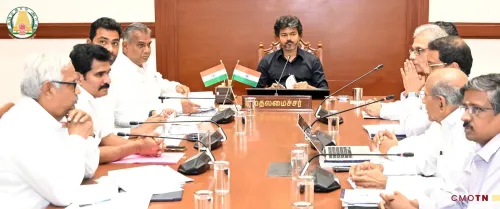
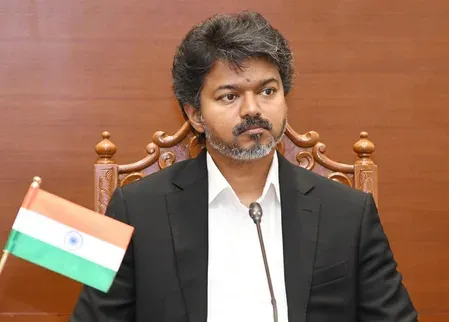
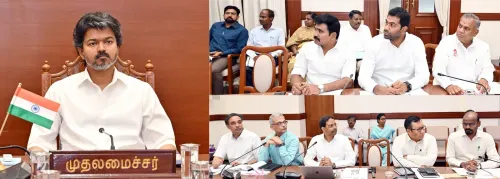
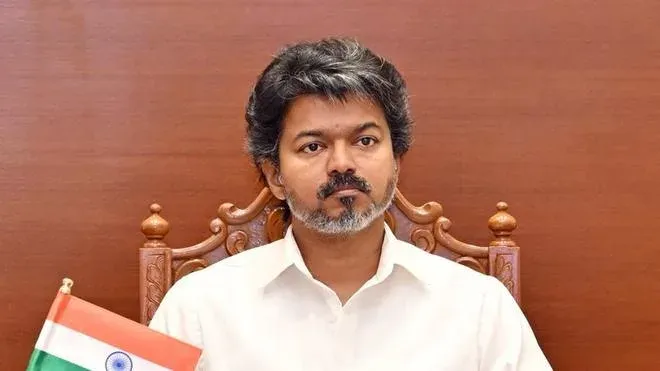
Tamil Nadu Chief Minister C. Joseph Vijay on Monday, 25 May directed state officials to intensify and expedite legal measures against the Mekedatu dam project, reaffirming Tamil Nadu's position on protecting its rights over Cauvery river water. The directive came during a high-level consultative meeting at the Secretariat in Chennai, convened against the backdrop of reports that the Karnataka government is preparing to hold a bhoomi poojan for the proposed dam.
What Prompted the Meeting
The meeting was called in response to fresh concerns that Karnataka's anticipated ground-breaking ceremony for the Mekedatu balancing reservoir could signal renewed momentum on the project. Tamil Nadu has long opposed the dam, arguing it would compromise the state's share of Cauvery waters under existing judicial and tribunal arrangements. The consultative session brought together Cauvery river water experts, legal specialists, cabinet ministers, and senior bureaucrats to assess the legal and technical dimensions of the dispute.
Key Legal Developments Discussed
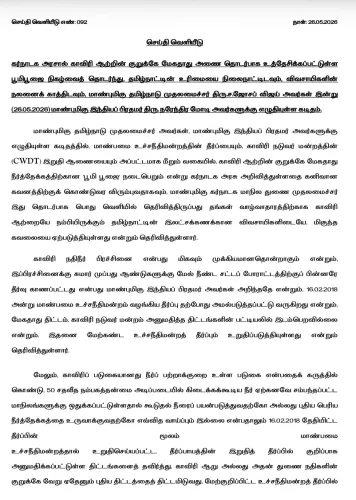
Experts at the meeting briefed Chief Minister Vijay on the current legal landscape. Notably, the Supreme Court, in its judgment on 11 November 2025, had disposed of petitions filed by Tamil Nadu challenging the Mekedatu project. The court held that the question of whether the project complied with earlier judicial directions and water-sharing arrangements would be determined by the Central Water Commission (CWC) — a body of technical experts. Tamil Nadu subsequently filed a review petition on 11 December 2025, which was also dismissed by the Supreme Court.
Chief Minister's Directive
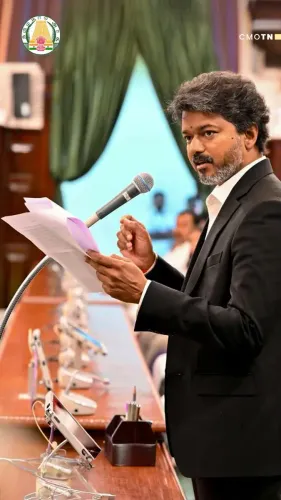
Taking stock of these setbacks, Chief Minister Vijay instructed officials to undertake detailed legal consultations and accelerate the identification of the next available course of action. He stressed the need for a comprehensive legal strategy to ensure Tamil Nadu's Cauvery water rights are fully protected. According to an official release, the focus was on both the legal and technical aspects of the project and on identifying further protective measures for the state's interests.
Who Attended the Meeting
The meeting was attended by Water Resources Minister S. Anand, Public Works Minister Aadhav Arjuna, and Energy and Law Minister C.T.R. Nirmalkumar. Senior officials including Chief Secretary M. Saikumar, Advocate General Vijay Narayan, Water Resources Department Principal Secretary Satyabrata Sahu, and Chairman of the Cauvery Technical Cell and Interstate River Water Wing R. Subramanian also participated, with some joining via videoconference.
What Comes Next
With both its original petition and review petition dismissed by the Supreme Court, Tamil Nadu's legal options are increasingly narrow. The state now faces the challenge of finding a viable path — potentially through the CWC process or fresh legal avenues — to contest the project before Karnataka advances further on the ground. The Mekedatu dispute is one of India's most politically charged inter-state river conflicts, and Karnataka's reported plans for a bhoomi poojan are expected to keep tensions elevated in the weeks ahead.
Point of View
The state has effectively exhausted its most direct judicial routes. Directing officials to 'expedite' legal action after two consecutive losses risks being more performance than strategy — unless the government has identified a credible new avenue through the CWC process or a curative petition. The Mekedatu dispute also exposes a deeper structural problem: India's inter-state river water framework leaves downstream states with limited enforceable remedies once upstream states achieve project momentum. Tamil Nadu's window to act meaningfully is narrowing fast.
NationPress
26 Sept 2026
Frequently Asked Questions
What is the Mekedatu dam project and why does Tamil Nadu oppose it?
The Mekedatu balancing reservoir is a proposed project by Karnataka on the Cauvery river. Tamil Nadu opposes it, arguing the dam would reduce the state's share of Cauvery water under existing tribunal and judicial arrangements, threatening its agricultural and drinking water needs.
What did the Supreme Court rule on the Mekedatu dispute?
The Supreme Court, in its judgment on 11 November 2025, disposed of Tamil Nadu's petitions challenging the Mekedatu project. It held that whether the project complied with earlier judicial directions and water-sharing arrangements would be decided by the Central Water Commission (CWC).
What happened to Tamil Nadu's review petition?
Tamil Nadu filed a review petition against the Supreme Court's November 2025 judgment on 11 December 2025. That review petition was subsequently dismissed by the Supreme Court, narrowing the state's available legal options.
Why did Tamil Nadu hold this meeting now?
The meeting was convened in response to reports that Karnataka is preparing to conduct a bhoomi poojan for the Mekedatu dam, signalling renewed project momentum. Tamil Nadu called the high-level session to assess its legal options and chart the next course of action.
Who attended the high-level meeting in Chennai?
The meeting was attended by Water Resources Minister S. Anand, Public Works Minister Aadhav Arjuna, Energy and Law Minister C.T.R. Nirmalkumar, Chief Secretary M. Saikumar, Advocate General Vijay Narayan, and senior officials from the Water Resources Department and the Cauvery Technical Cell.