TN CM Vijay moves resolution against Mekedatu dam in Assembly
Synopsis
Tamil Nadu Chief Minister S. Joseph Vijay moved a government resolution in the state Legislative Assembly on 19 June 2026, formally opposing Karnataka's unilateral attempt to construct a dam at Mekedatu on the Cauvery River, escalating a decades-old interstate water dispute.
Key Takeaways
Joseph Vijay moved a government resolution in the Tamil Nadu Legislative Assembly on 19 June 2026 opposing the Mekedatu dam project.
Karnataka has been pursuing a balancing reservoir at Mekedatu on the Cauvery River, which Tamil Nadu calls a unilateral and unlawful move.
The Cauvery Water Disputes Tribunal (constituted 1990 ) and the Supreme Court's 2018 order govern water allocation between the two states.
The Cauvery Water Management Authority , set up after the 2018 Supreme Court ruling, is the key federal body that Tamil Nadu is expected to approach.
Cauvery delta farmers across Thanjavur, Tiruvarur, and Nagapattinam districts face the most direct risk from any reduction in downstream flows.
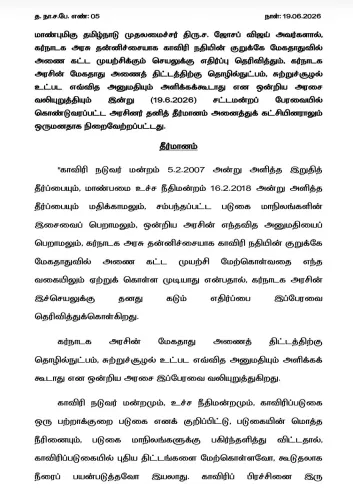
The resolution is a formal legislative signal ahead of anticipated action before the central government and the Cauvery Water Management Authority.
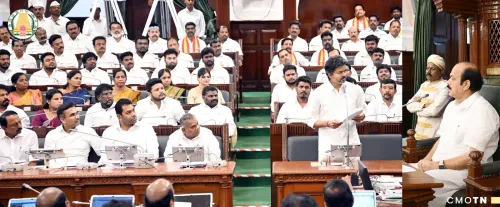
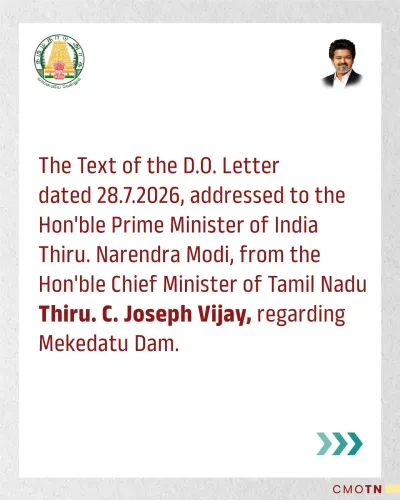
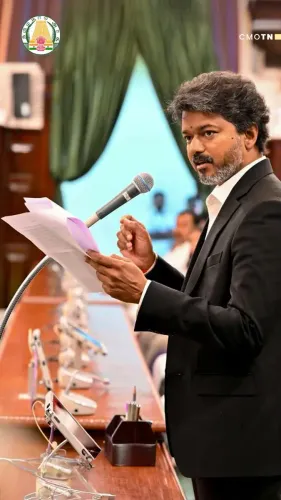
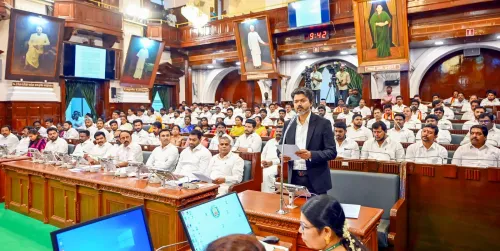
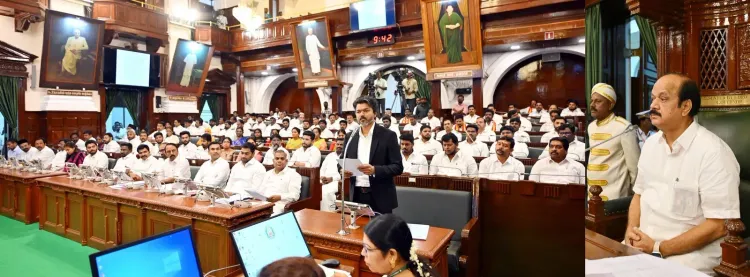
The Chief Minister's Office of Tamil Nadu announced on Friday, 19 June 2026 that Chief Minister S. Joseph Vijay moved a government resolution in the Tamil Nadu Legislative Assembly opposing Karnataka's unilateral attempt to construct a dam across the Cauvery River at Mekedatu.
Speaking in the Assembly, CM Vijay proposed the government resolution condemning what he described as Karnataka's unilateral move to build a balancing reservoir at Mekedatu on the Cauvery. The Tamil Nadu government's position, as stated in the resolution, is that such construction would adversely affect the water rights of Tamil Nadu and its farmers who depend on Cauvery waters.
Context
The Cauvery River is a major interstate river flowing through Karnataka and Tamil Nadu, and its water-sharing has been one of the most protracted disputes in Indian federal history. Karnataka has proposed building a balancing reservoir at Mekedatu, a site located near the confluence of the Cauvery and Arkavathy rivers within Karnataka's territory. Tamil Nadu has consistently opposed this project, arguing it would give Karnataka undue control over water flows downstream.
The Cauvery Water Disputes Tribunal, constituted in 1990, delivered its final award in 1991, allocating shares of the river's waters among basin states. The Supreme Court of India subsequently revised these allocations in its landmark 2018 order and also established the Cauvery Water Management Authority to oversee compliance.
Policy Backdrop
Interstate river disputes in India have frequently prompted state legislatures to pass resolutions asserting riparian rights, particularly when upstream states advance storage or diversion infrastructure. Tamil Nadu's Legislative Assembly has historically used such resolutions as both a legal signal and a political instrument to place its objections formally on record before constitutional and judicial bodies.
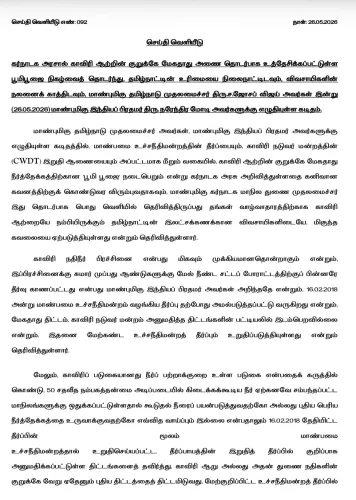
The Mekedatu project has remained contentious for years. Karnataka argues the reservoir is necessary for drinking water supply to Bengaluru and for balancing seasonal flows. Tamil Nadu counters that any new storage structure upstream would reduce the quantum of water reaching its territory, violating the tribunal award and Supreme Court directions.
Stakeholders and Impact
Cauvery delta farmers in Tamil Nadu, who cultivate rice and other crops across districts such as Thanjavur, Tiruvarur, and Nagapattinam, are the most directly affected constituency. Any reduction in Cauvery flows can devastate multiple cropping seasons and livelihoods tied to the delta's agriculture.
The resolution also carries weight for the broader Tamil Nadu agriculture sector, which depends on assured water releases from Karnataka under the tribunal award. A formal Assembly resolution strengthens Tamil Nadu's legal and political position before the Cauvery Water Management Authority and the central government.
What's Next
The passage of the government resolution is expected to be followed by formal communication to the Union government and the Cauvery Water Management Authority, urging them to block Karnataka's Mekedatu proposal. The next scheduled meeting of the Cauvery Water Management Authority will be closely watched for any federal response to Karnataka's plans.
Tamil Nadu's legislative action sets the stage for renewed legal and diplomatic pressure, and observers will watch whether the central government intervenes or defers the matter back to the Authority — a decision that could shape Cauvery water politics ahead of the next agricultural season.
Point of View
Not merely a legislative formality. The move fits a well-established pattern in which Tamil Nadu uses Assembly resolutions as legal anchors to strengthen its position before the Cauvery Water Management Authority and the courts. Coming early in Vijay's tenure, the resolution also serves a domestic political purpose: demonstrating to Cauvery delta constituencies that the new government is as assertive on water rights as its predecessors. The central government's response — or silence — will determine whether this remains a state-level signal or escalates into a full-blown federal dispute.
NationPress
19 Sept 2026
Frequently Asked Questions
What is the Mekedatu dam project and why does Tamil Nadu oppose it?
The Mekedatu project is Karnataka's proposal to build a balancing reservoir on the Cauvery River at Mekedatu, near the confluence of the Cauvery and Arkavathy rivers. Tamil Nadu opposes it because the structure would give Karnataka greater control over downstream water flows, potentially reducing the share allocated to Tamil Nadu under the Cauvery Water Disputes Tribunal award and the Supreme Court's 2018 order.
What did Tamil Nadu CM Joseph Vijay do in the Assembly on 19 June 2026?
Chief Minister S. Joseph Vijay moved a government resolution in the Tamil Nadu Legislative Assembly on 19 June 2026, formally expressing the state's opposition to Karnataka's unilateral attempt to construct a dam at Mekedatu on the Cauvery River.
What is the Cauvery Water Management Authority?
The Cauvery Water Management Authority is a federal body created following the Supreme Court of India's 2018 order on the Cauvery water dispute. It is responsible for overseeing the implementation of water-sharing allocations among the basin states of Karnataka, Tamil Nadu, Kerala, and Puducherry.
How has Tamil Nadu historically responded to Karnataka's Cauvery projects?
Tamil Nadu has repeatedly used Assembly resolutions, legal petitions before the Supreme Court, and representations to the central government to oppose upstream infrastructure projects by Karnataka on the Cauvery. This legislative approach has been a consistent tool across multiple state governments.
Who are the most affected people in the Cauvery water dispute?
Farmers in Tamil Nadu's Cauvery delta districts — particularly Thanjavur, Tiruvarur, and Nagapattinam — are the most directly affected, as their rice cultivation and livelihoods depend on assured water releases from Karnataka under the tribunal award.