CBI arrests 2 NCB sub-inspectors for ₹25 lakh bribe demand from UP chemist
Synopsis
Two NCB sub-inspectors were caught red-handed by the CBI accepting ₹12 lakh — part of a ₹25 lakh bribe demand — from a Uttar Pradesh chemist they allegedly threatened to falsely implicate in an NDPS case. A phenolphthalein chemical test sealed their guilt on the spot, exposing alleged extortion by the very officers tasked with enforcing anti-narcotics law.
Key Takeaways
The CBI arrested NCB Sub-Inspectors Ajit Singh Meena and Sumeet Kumar on 15 November 2026 for alleged bribery.
The duo allegedly demanded ₹50 lakh initially, later reduced to ₹25 lakh , from chemist Amin Shukla of Sanjeevani Medical Store, Shahjahanpur .
The CBI trap operation near Tamil Sangam Marg, R.K.
Puram, South Delhi caught Kumar accepting ₹12 lakh as part-payment.
The currency packet contained ₹2 lakh in genuine notes and ₹10 lakh in dummy notes, laced with phenolphthalein ; Kumar's hand wash turned pink, confirming contact.
Both accused were sent to CBI custody for two days after their arrest; the investigation is ongoing.
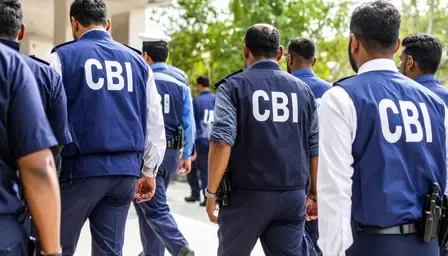
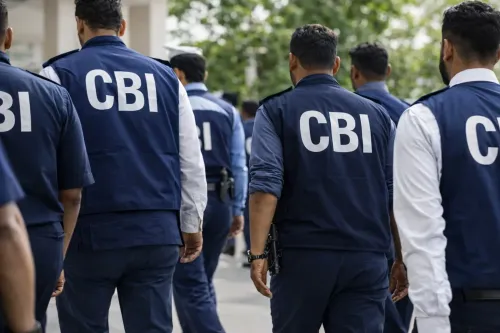
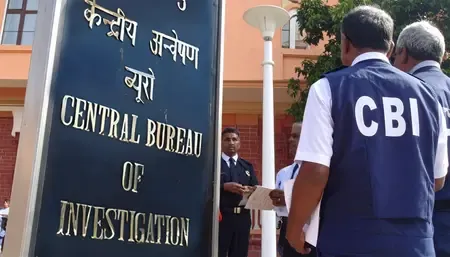
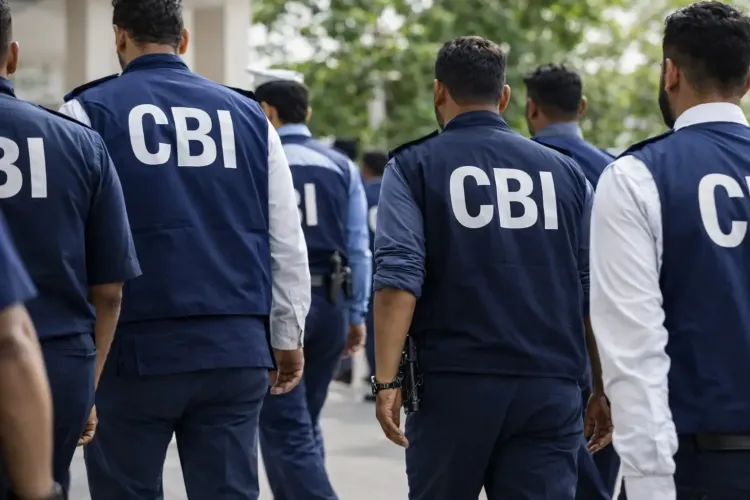
The Central Bureau of Investigation (CBI) arrested two sub-inspectors of the Narcotics Control Bureau (NCB) on Saturday, 15 November 2026, for allegedly demanding a bribe of ₹25 lakh from a chemist in Uttar Pradesh to keep him out of a narcotics case. The two accused — Sub-Inspector Ajit Singh Meena and Sub-Inspector Sumeet Kumar — were caught in a CBI trap operation and subsequently sent to CBI custody for two days.
How the Bribe Demand Unfolded
Amin Shukla, the owner of Sanjeevani Medical Store in Powayan town, Shahjahanpur district, filed a complaint with the CBI alleging that Meena — the Sub-Inspector and Investigating Officer in a narcotics case — had initially demanded ₹50 lakh to avoid falsely implicating him under the Narcotic Drugs and Psychotropic Substances (NDPS) Act. The demand was subsequently negotiated down to ₹25 lakh, according to the CBI's statement.
During verification of the complaint, investigators established that Meena had agreed to accept ₹12 lakh as a part-payment and reportedly directed Kumar to collect the money near Meena's office in South Delhi.
The Trap Operation and Arrest
The CBI laid a trap and caught the accused at the time of the alleged handover of the bribe amount near Tamil Sangam Marg in R.K. Puram, South Delhi. According to the agency's remand application filed in court, Kumar was present at the spot and allegedly accepted the payment on Meena's direction.
The payment packet used in the trap contained ₹2 lakh in genuine currency notes alongside dummy notes worth ₹10 lakh, all laced with a special chemical. When Kumar grew suspicious and attempted to flee, CBI officers chased and arrested both him and Meena.
How the Chemical Test Confirmed the Offence
As a standard procedure in trap cases, the CBI dusted the currency notes with phenolphthalein powder — a colourless chemical — before the operation. After Kumar's arrest, investigators conducted a hand wash in the presence of an independent witness; the solution turned pink, confirming that Kumar had physically handled the marked cash.
This chemical confirmation — where phenolphthalein turns pink to deep red in an alkaline environment such as sodium carbonate or lime water — provides forensic proof used to establish physical contact with tainted currency, the agency explained.
Background and Implications
This is a significant case of alleged corruption within the NCB, a premier anti-drug agency under the Union Ministry of Home Affairs. The fact that the accused Investigating Officer himself was handling an NDPS case adds to the gravity of the allegations, as it points to potential misuse of police powers to coerce civilians. Notably, cases of enforcement officers demanding money to shield suspects or witnesses from narcotics charges have surfaced periodically, raising questions about internal oversight mechanisms within drug law enforcement bodies.
The CBI investigation is ongoing, and further developments are expected as the accused face judicial proceedings.
Point of View
It is not merely individual misconduct — it is an indictment of the oversight void within the NCB. The CBI's trap mechanism worked this time, but the question that goes unasked is how many such demands never produce a complainant bold enough to approach the CBI. The NCB, already under scrutiny in recent years for high-profile case handling, needs a credible internal vigilance architecture — not just reactive trap operations.
NationPress
16 Nov 2026
Frequently Asked Questions
Why did the CBI arrest the two NCB sub-inspectors?
The CBI arrested Sub-Inspectors Ajit Singh Meena and Sumeet Kumar for allegedly demanding a ₹25 lakh bribe from chemist Amin Shukla of Shahjahanpur, Uttar Pradesh, to keep him out of an NDPS case. They were caught accepting ₹12 lakh as part-payment in a CBI trap operation in South Delhi on 15 November 2026.
Who is the complainant in the NCB bribe case?
The complainant is Amin Shukla, who owns Sanjeevani Medical Store in Powayan town, Shahjahanpur district, Uttar Pradesh. He approached the CBI alleging that the NCB Investigating Officer had threatened to falsely implicate him in a narcotics case unless he paid a bribe.
How did the CBI confirm that the accused accepted the bribe money?
The CBI used phenolphthalein powder, dusted onto the currency notes before the trap operation. After Kumar's arrest, his hands were washed in an alkaline solution in the presence of an independent witness, and the solution turned pink — forensically confirming he had physically handled the tainted cash.
What is the NDPS Act and why is it significant here?
The Narcotic Drugs and Psychotropic Substances (NDPS) Act is India's primary law governing drug offences, with severe penalties including lengthy imprisonment. Its significance here is that an NCB officer allegedly exploited his power to invoke the NDPS Act as a threat to extort money from a civilian, misusing a stringent law for personal gain.
What happens next in the case?
Both accused were remanded to CBI custody for two days after their arrest. The CBI investigation is ongoing, and the accused are expected to face further judicial proceedings. The agency is likely to probe whether additional demands were made in other cases.