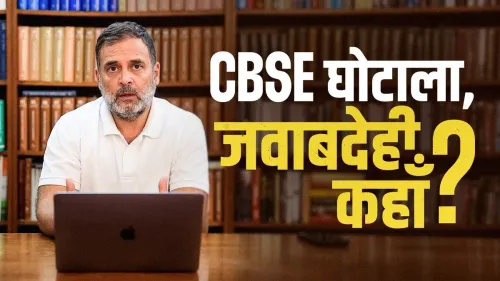
CBSE rejects Rahul Gandhi's EdTech contract allegations, cites GFR compliance
Synopsis
A student's mismatched answer sheet has snowballed into a full political confrontation: Rahul Gandhi is demanding an SIT probe into CBSE's EdTech contract with Coempt Edu Teck, alleging links to a past Telangana controversy. CBSE insists it followed due process — but with 18.5 lakh students in the frame, the board's procedural defence has not quieted the questions.
Key Takeaways
CBSE on 27 May rejected Rahul Gandhi's allegations over its contract with Coempt Edu Teck , calling them 'erroneous and misleading'.
The board stated the RFP was floated on 28 August 2025 via the Central Public Procurement portal under GFR protocols.
Rahul Gandhi alleged the firm was earlier embroiled in controversy in Telangana in 2019 under the name Globarena , and demanded an independent judicial inquiry and SIT .
Student Vedant Shrivastava triggered the row on 23 May after receiving another candidate's Physics answer sheet via CBSE's new On-Screen Marking (OSM) system.
CBSE admitted the error and corrected it by Monday , but broader concerns about the OSM system's reliability remain.
The controversy potentially affects 18.5 lakh students who sat Board Exams 2026 .
The Central Board of Secondary Education (CBSE) on Wednesday, 27 May firmly rejected allegations made by Lok Sabha Leader of the Opposition Rahul Gandhi regarding the awarding of a contract to an education technology firm, calling the claims erroneous and factually incorrect. The dispute has drawn national attention amid broader concerns over the reliability of CBSE's new digital evaluation system for Board Exams 2026.
CBSE's Official Response
In a post on social media platform X, CBSE stated: 'It is erroneous, misleading, and not based on facts.' The board maintained that it had followed General Financial Rules (GFR) protocols in awarding the contract, adding that a Request for Proposal (RFP) for the Digital Evaluation of Answer Books was floated on the Central Public Procurement portal on 28 August 2025, and the contract was awarded to the qualified bidder through due process.
Rahul Gandhi's Allegations and Counter-Response
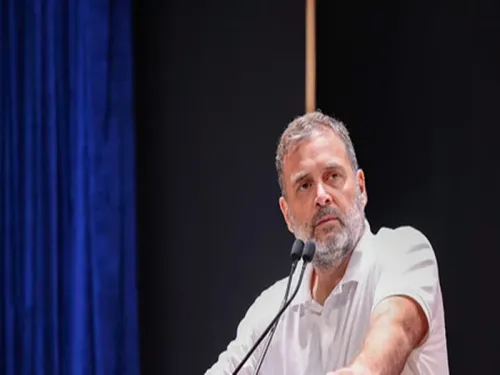
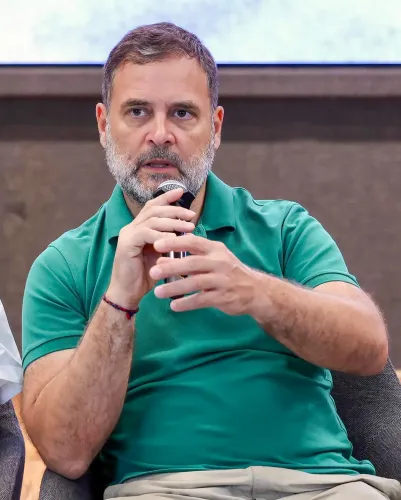
Congress leader Rahul Gandhi had earlier alleged 'massive tampering' in CBSE exam results and claimed that the EdTech firm Coempt Edu Teck had been embroiled in a similar controversy in Telangana in 2019 under the name Globarena. Calling it a 'deliberate conspiracy', he posed a series of pointed questions: why the contract was awarded to COEMPT, which rules were bypassed, why background checks were not conducted, and what the connection between COEMPT's management and the government was.
After CBSE's rebuttal, Gandhi responded on X, calling it 'a denial, not an answer', and directed his questions at the Education Minister and CBSE. He also demanded that an independent judicial inquiry and a Special Investigation Team (SIT) be immediately constituted. 'The future of 18.5 lakh students has been put in jeopardy. They deserve the truth,' he stated.
The Answer Sheet Controversy That Triggered the Row
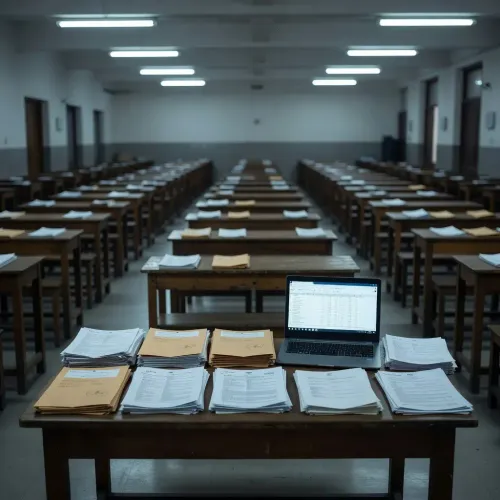
The dispute traces back to a complaint by student Vedant Shrivastava, who applied for a photocopy of his Class 12 Physics answer sheet on 19 May after receiving marks he considered unexpectedly low. On 23 May, he posted on X that the answer sheet emailed to him by CBSE did not match his handwriting and appeared to belong to another student entirely.
CBSE subsequently admitted to an error in its new On-Screen Marking (OSM) system, acknowledging that the wrong answer sheet had been shared with Vedant during the evaluation review process. By Monday, the board had rectified the mistake and provided him with the correct answer sheet. The episode has, however, raised wider questions about systemic reliability in the digital evaluation framework.
Broader Implications for Digital Evaluation
The controversy has ignited a nationwide debate on transparency and fairness in CBSE's digital evaluation process. Serious flaws reportedly detected in the new OSM system have compounded public concern, particularly given that the system is used for high-stakes examinations. This comes amid a period of heightened scrutiny of examination bodies following controversies in recent years. With 18.5 lakh students potentially affected, pressure is mounting on both CBSE and the Ministry of Education to provide a detailed, transparent account of the system's functioning and the contract award process.
The political and administrative standoff is unlikely to ease quickly, with opposition demands for an independent probe still unanswered and the CBSE's procedural defence yet to address the substantive questions raised.
Point of View
We floated an RFP' — is technically a response but not an answer to the political question being asked. Gandhi's four questions go to vendor due diligence and background verification, not procurement form. The board's silence on why Coempt Edu Teck's alleged prior identity as Globarena was not flagged is the gap that keeps this story alive. More troubling is the systemic issue: if a single student's photocopy request can expose a wrong-answer-sheet error, it raises the question of how many similar errors went undetected among 18.5 lakh candidates who did not apply for review. The OSM controversy is not just political theatre — it is a stress test of India's shift to digital examination infrastructure, and the institutions involved have so far offered reassurance without evidence.
NationPress
11 Oct 2026
Frequently Asked Questions
What are Rahul Gandhi's allegations against CBSE?
Congress leader Rahul Gandhi alleged massive tampering in CBSE exam results and claimed the EdTech firm Coempt Edu Teck, awarded a digital evaluation contract, was previously involved in a controversy in Telangana in 2019 under the name Globarena. He demanded to know why background checks were not conducted and called for an independent judicial inquiry and SIT probe.
How did CBSE respond to the allegations?
CBSE posted on X that the allegations were 'erroneous, misleading, and not based on facts', stating it had followed General Financial Rules protocols and floated the RFP on the Central Public Procurement portal on 28 August 2025 before awarding the contract to the qualified bidder.
What triggered the CBSE digital evaluation controversy?
Student Vedant Shrivastava applied for a photocopy of his Class 12 Physics answer sheet on 19 May and discovered on 23 May that the sheet emailed to him belonged to another candidate. CBSE admitted the error in its On-Screen Marking system and provided the correct sheet by Monday.
How many students are potentially affected?
Rahul Gandhi stated that the future of 18.5 lakh students has been put in jeopardy, referring to candidates who appeared in CBSE Board Exams 2026 evaluated under the new digital On-Screen Marking system.
What is the On-Screen Marking system and why is it under scrutiny?
The On-Screen Marking (OSM) system is CBSE's new digital platform for evaluating answer sheets for board examinations. It came under scrutiny after Vedant Shrivastava was sent another student's answer sheet, exposing a flaw in the system and raising broader questions about the reliability of digital evaluation for high-stakes exams.