Census 2027 schedule notified: enumeration Jan 25–Feb 28, 5 poll-bound states excluded
Synopsis
India's Census 2027 is finally official — the Ministry of Home Affairs has notified enumeration dates of 25 January to 28 February 2027, ending a delay of over five years. Five poll-bound states and snow-bound territories are excluded for now, with separate dates to follow. When complete, it will be India's first full demographic count in 16 years, reshaping welfare targeting, fund allocation, and constituency delimitation.
Key Takeaways
The Ministry of Home Affairs notified the Census 2027 schedule on 30 October 2026 .
House-to-house enumeration will run from 25 January to 28 February 2027 ; online self-enumeration opens 10–24 January 2027 .
Manipur, Goa, Uttar Pradesh, Punjab, Uttarakhand, Ladakh, Himachal Pradesh (snow-bound areas), and Jammu and Kashmir are excluded from the main window; separate dates will be announced.
The reference date is fixed at 00:00 hours on 1 March 2027 ; the revisional round runs 1–5 March 2027 .
India's last census was in 2011 ; the 2021 census was postponed due to COVID-19 , making this a 16-year gap in demographic data.
Results will inform constituency delimitation, central fund allocation , and welfare scheme targeting.
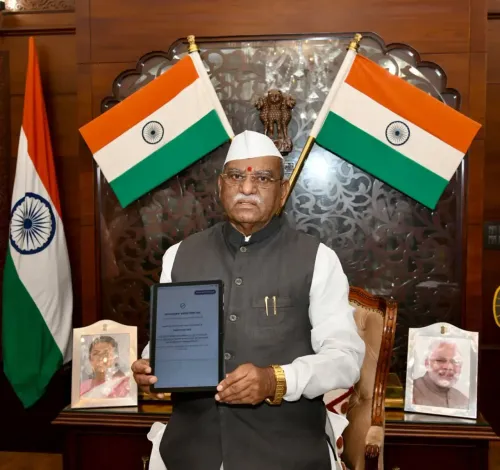
The Ministry of Home Affairs on 30 October 2026 officially notified the schedule for the Census of India 2027, ending a wait of over five years since the last enumeration exercise was due. The house-to-house population enumeration will be conducted from 25 January to 28 February 2027 across most states and Union Territories, according to the official notification issued under the Census Act, 1948 by the Office of the Registrar General of India.
Key Dates and Process
Citizens will first have the option of self-enumeration through an online portal from 10 January to 24 January 2027, ahead of the main door-to-door phase. A revisional round — to verify and correct recorded information — will follow from 1 March to 5 March 2027. The reference date for the census has been fixed at 00:00 hours on 1 March 2027.
States and Territories Excluded for Now
The notification excludes several areas from the January–February enumeration window. These are: the state of Manipur (till further declaration), Goa, Uttar Pradesh, Punjab, Uttarakhand, the Union Territory of Ladakh, snow-bound non-synchronous areas of Himachal Pradesh, and the Union Territory of Jammu and Kashmir. According to officials, poll-bound states require the administrative machinery to remain focused on electoral processes, while snow-bound regions face significant accessibility challenges during winter. Alternative enumeration dates for these areas will be announced separately.
Why This Census Matters
India's last census was conducted in 2011. The subsequent exercise, scheduled for 2021, was postponed due to the COVID-19 pandemic and has remained pending ever since. The Census 2027 will therefore provide updated demographic data after a gap of 16 years — a lag that has constrained policy planning, resource allocation, and the targeting of welfare schemes across the country. This is the longest inter-census gap in post-Independence India.
Digital and Traditional Methods Combined
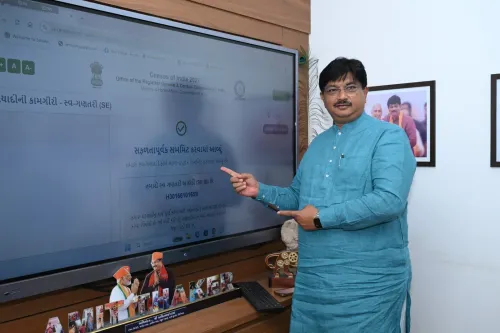
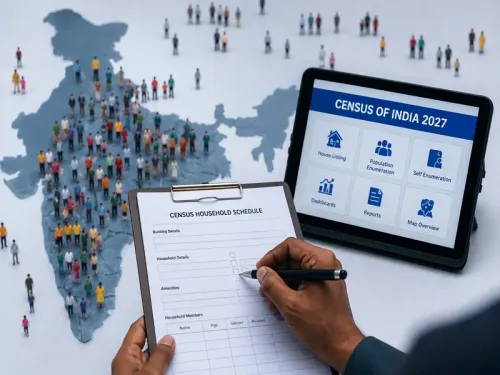
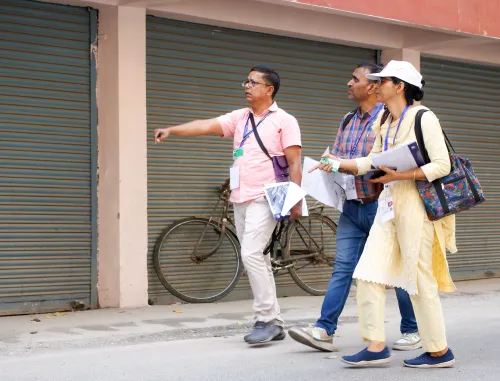
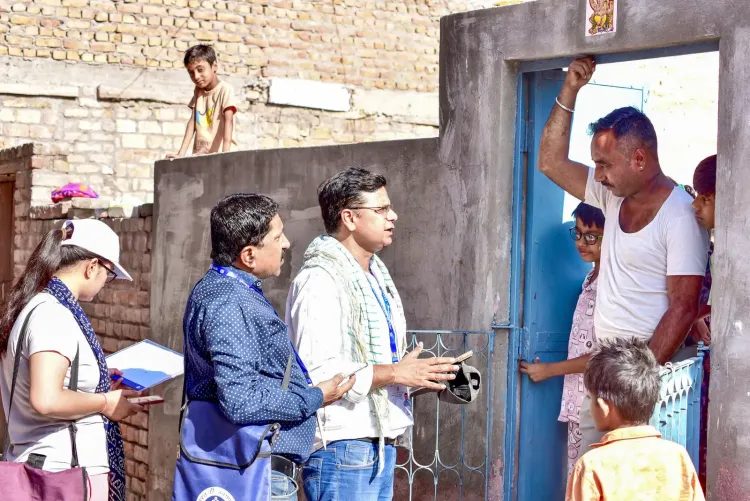
The government has emphasised a dual-mode approach — combining digital self-enumeration through an official portal with the traditional door-to-door survey conducted by census personnel. This marks a structural shift from earlier all-ground exercises, and officials have framed the online option as a measure to improve coverage and reduce the burden on field enumerators.
What Comes Next
Once the revisional round concludes in early March 2027, data processing and preliminary report publication are expected to follow. The census results will form the foundation for delimitation of parliamentary and assembly constituencies, allocation of central funds to states, and updating the basis for numerous welfare programmes. Separate dates for the excluded states and territories are awaited, and their timely announcement will be critical to ensuring the overall exercise remains credible and comprehensive.
Point of View
Parliamentary seat counts, and state funding formulas have all been running on 2011 numbers through a period that included demonetisation, GST, a pandemic, and dramatic urbanisation shifts. The exclusion of five poll-bound states is procedurally defensible but politically inconvenient: UP alone accounts for roughly one-sixth of India's population, and its delayed count will leave the most consequential demographic bloc unverified longest. The online self-enumeration option is a genuine modernisation, but its credibility will depend on digital access equity — a variable the notification does not address. The government deserves credit for finally moving, but the clock is already ticking on the excluded states.
NationPress
30 Oct 2026
Frequently Asked Questions
What is the Census 2027 schedule notified by the Ministry of Home Affairs?
The Ministry of Home Affairs notified on 30 October 2026 that house-to-house population enumeration will be conducted from 25 January to 28 February 2027 across most states and Union Territories. An online self-enumeration window opens from 10 to 24 January 2027, and a revisional round will be held from 1 to 5 March 2027.
Which states and territories are excluded from the January–February 2027 enumeration?
Manipur (till further declaration), Goa, Uttar Pradesh, Punjab, Uttarakhand, the Union Territory of Ladakh, snow-bound non-synchronous areas of Himachal Pradesh, and the Union Territory of Jammu and Kashmir are excluded from the main window. Alternative enumeration dates for these areas will be announced separately.
Why was the Census of India delayed?
The census originally scheduled for 2021 was postponed due to the COVID-19 pandemic and has remained pending since then. The Census 2027 will be India's first complete demographic count in 16 years, as the previous census was conducted in 2011.
Why does the Census 2027 matter for citizens and policy?
Updated demographic data after a 16-year gap will be critical for policy planning, resource allocation, welfare scheme targeting, and delimitation of parliamentary and assembly constituencies. Central fund transfers to states are also partly determined by population figures, making accurate census data financially significant.
How can citizens participate in Census 2027?
Citizens can self-enumerate through an official online portal between 10 and 24 January 2027, before the door-to-door phase begins on 25 January. Traditional house-to-house enumeration by census personnel will run until 28 February 2027, with a revisional round from 1 to 5 March 2027 to verify and correct data.