Punjab urea stocks sufficient for Kharif 2026, Centre confirms 10.71 LMT availability
Synopsis
The Centre has pushed back against concerns of a urea shortage in Punjab, releasing data showing 10.71 LMT already available against a pro-rata need of 9.0 LMT — with 4.46 LMT sitting as closing stock and another 0.39 LMT in transit. The numbers tell a story of deliberate over-supply, but the Centre is pointedly reminding state governments that last-mile retail distribution is their problem to solve.
Key Takeaways
Punjab's urea availability for Kharif 2026 stands at 10.71 LMT against a pro-rata requirement of 9.0 LMT as of 9 June 2026 .
Closing ground-level stock is 4.46 LMT , with an additional 39,167 MT in transit to the state.
Amritsar district alone holds 32,956 MT (0.33 LMT) of urea in current stock.
Between January–March 2026 , the DoF supplied 6.08 LMT against a requirement of 3.50 LMT , pre-positioning 2.58 LMT extra.
Year-on-year urea sales (March–June) rose by 0.76 LMT to 7.86 LMT in 2026.
The Centre has directed states to crack down on hoarding, black marketing, and diversion of subsidised urea to non-agricultural units.
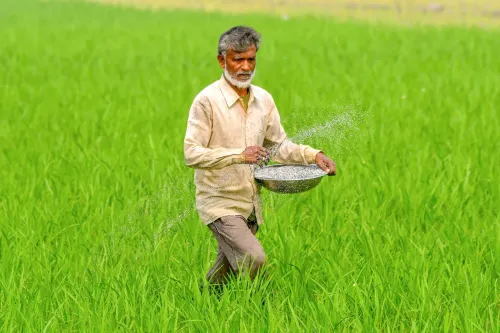
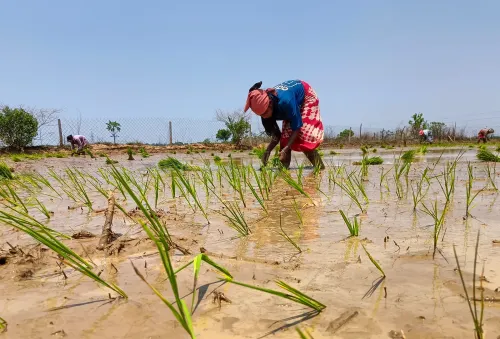
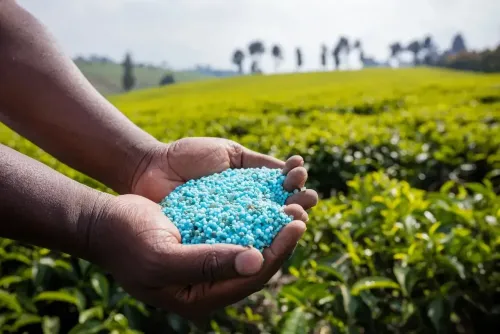
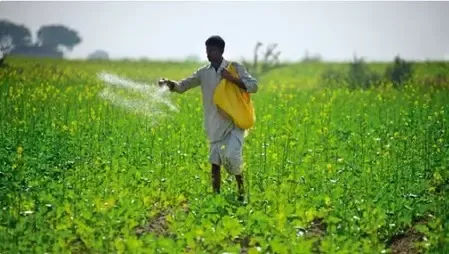
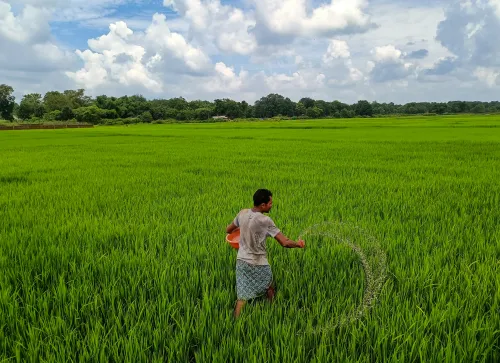
The Centre on Wednesday, 10 June 2026 confirmed that Punjab has adequate urea stocks for the ongoing Kharif 2026 agricultural season, with the Department of Fertilizers (DoF) maintaining a surplus supply chain to the state. Official data shows availability has comfortably outpaced the pro-rata requirement, with ground-level stocks sufficient to meet emerging field demand as paddy transplantation is yet to fully commence.
Current Stock Position
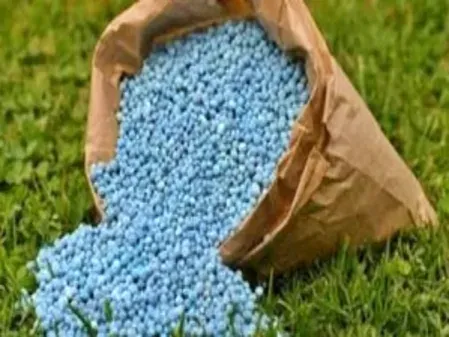
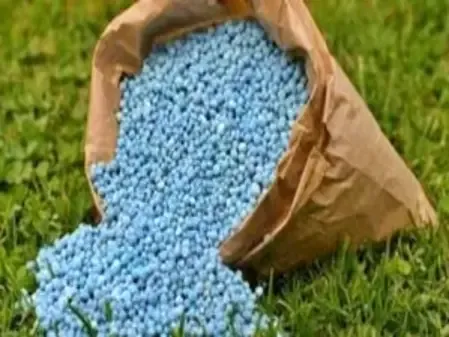
Against Punjab's total Kharif season requirement of 14.50 lakh metric tonnes (LMT), the Centre has ensured an availability of 10.71 LMT against a pro-rata requirement of 9.0 LMT up to 9 June 2026. Actual urea sales in the state stood at 6.25 LMT, leaving a closing ground-level stock of 4.46 LMT. An additional 39,167 MT (0.39 LMT) is currently in transit to the state.
In Amritsar district specifically, total Kharif 2026 availability has reached 64,720 MT (0.65 LMT), with a current stock of 32,956 MT (0.33 LMT) remaining on the ground.
Pre-Positioning Strategy Behind the Surplus
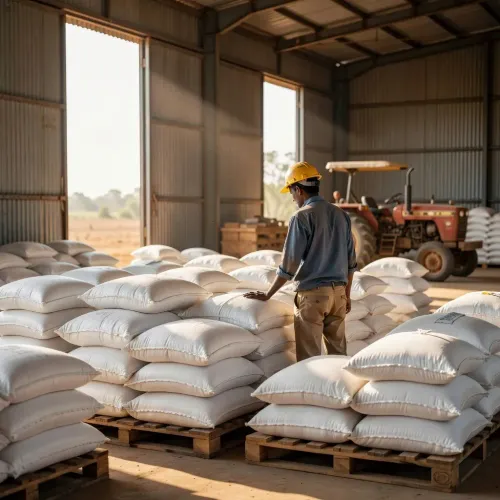
The strong stock position is a direct result of aggressive pre-positioning by the Central Government ahead of the season. Between January 2026 and March 2026, against a combined requirement of 3.50 LMT, the DoF supplied 6.08 LMT to Punjab — an additional 2.58 LMT over what was needed for peak months.
Urea sales between 1 March 2026 and 9 June 2026 stood at 7.86 LMT, up from 7.10 LMT during the same period last year — a year-on-year increase of 0.76 LMT. This follows the Rabi 2025–26 season, where the DoF ensured availability of 19.43 LMT against a state requirement of 15 LMT, with actual sales reaching 15.45 LMT — exceeding initial projections by 45,000 MT.
Global Supply Pressures and Domestic Safeguards
The Centre acknowledged that the global fertilizer supply chain has been navigating significant geopolitical volatility. Ongoing developments, notably the USA-Israel and Iran conflict, have constrained global availability and disrupted maritime trade routes, according to the official statement.
To insulate Indian agriculture from these external shocks, the Government of India activated the Empowered Pool Management Committee (EPMC) mechanism for natural gas, enabling spot procurement to maximise domestic urea production. This domestic push has been complemented by strategically planned imports distributed across the calendar year.
Centre Flags Retail Distribution Responsibility
While the Centre has assured bulk supply at the state level, the official statement emphasised that smooth, equitable retail distribution remains the responsibility of State Governments. States have been directed to optimise inter-district and intra-district supply mechanisms to prevent localised shortages.
A recent joint video conference, co-chaired by the Secretary, Department of Agriculture and Farmers Welfare and the Secretary, Department of Fertilizers, directed state officials to enforce strict measures against hoarding, black marketing, and illegal diversion of subsidised agricultural urea to non-agricultural industrial units. Fertilizer manufacturing and importing companies have also been directed to remain agile and respond immediately to any emergent supply issues.
The Government of India, in coordination with state authorities, says it is monitoring the situation round-the-clock to support the farming community and ensure a successful Kharif 2026 season.
Point of View
The numbers look comfortable on paper; the real test will come in July when field demand surges simultaneously across districts. The explicit warning against hoarding and diversion suggests the Centre is aware that bulk availability does not automatically translate into farmer access — a gap that has repeatedly undermined fertilizer policy at the last mile.
NationPress
26 Oct 2026
Frequently Asked Questions
Is there a urea shortage in Punjab for Kharif 2026?
According to the Centre, there is no shortage. As of 9 June 2026, Punjab has 10.71 LMT of urea available against a pro-rata requirement of 9.0 LMT, with a closing stock of 4.46 LMT and another 0.39 LMT in transit.
How much urea has Punjab used so far this Kharif season?
Actual urea sales in Punjab stood at 6.25 LMT as of 9 June 2026. The state's total Kharif season requirement is 14.50 LMT, and paddy transplantation is yet to fully commence, meaning demand will rise in the coming weeks.
Why is Punjab's urea supply higher than its requirement?
The surplus is a result of the Centre's aggressive pre-positioning strategy. Between January and March 2026, the Department of Fertilizers supplied 6.08 LMT to Punjab against a requirement of just 3.50 LMT, building a buffer ahead of peak Kharif demand.
How has the global situation affected India's urea supply?
Geopolitical developments, including the USA-Israel and Iran conflict, have constrained global urea availability and disrupted maritime trade routes. The Centre says it has insulated Indian agriculture by activating the EPMC mechanism for natural gas to boost domestic production and by planning imports strategically across the calendar year.
Who is responsible for urea distribution at the village level in Punjab?
The Centre has clarified that while it ensures bulk supply to the state, equitable retail distribution is the responsibility of the Punjab state government. States have been directed to optimise inter-district and intra-district supply chains and enforce strict action against hoarding and illegal diversion of subsidised urea.