E100 flex-fuel vehicle norms notified: Centre amends Motor Vehicles Rules

Synopsis
India has formally written E100 — pure ethanol fuel — into its motor vehicles rulebook for the first time, giving OEMs the regulatory green light to build and certify flex-fuel vehicles for the Indian market. With installed distillation capacity already at 18.25 billion litres and E25 demand projected at 17.9 billion litres by FY31, the infrastructure is ready. The policy question is whether consumers and carmakers follow through.
Key Takeaways
The Centre amended the Central Motor Vehicles Rules, 1989 to include E100 (100% ethanol) fuel norms for flex-fuel vehicles, effective 26 October 2026 .
The amendment replaces references to E85 with E85 or E100 across emission standards; use is restricted to OEM-designed flex-fuel vehicles .
The gross vehicle weight threshold in one emission table was raised to 3,500 kg from 3,000 kg .
Minister Nitin Gadkari has said ethanol-run vehicles could cost the equivalent of ₹25 per litre in fuel, compared to prevailing petrol prices.
India's ethanol demand under an E25 scenario could reach 17.9 billion litres by FY31 ; installed distillation capacity stands at 18.25 billion litres , per Brickwork Ratings .
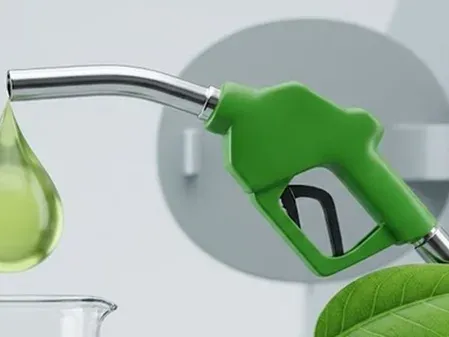
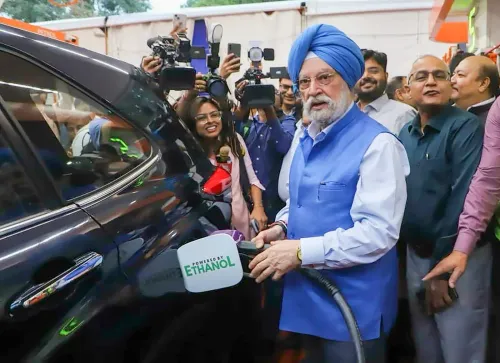
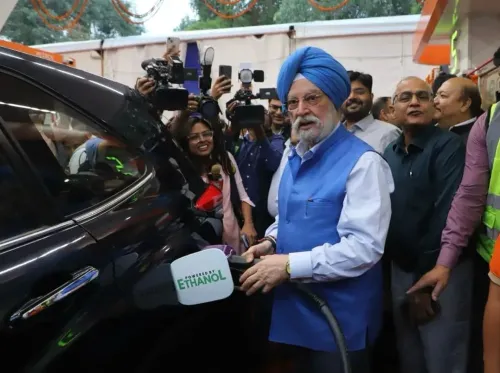
The Centre has amended the Central Motor Vehicles Rules, 1989, introducing updated emission and fuel-related standards that formally recognise 100 per cent ethanol (E100) as a permissible fuel for flex-fuel vehicles, effective from Monday, 26 October 2026. The notification, issued by the Ministry of Road Transport and Highways, marks a significant regulatory step in India's push to mainstream alternative, domestically produced fuels.
Key Changes in the Amended Rules
The amendment expands references to ethanol fuel by replacing several instances of E85 with E85 or E100 across emission standards and vehicle testing requirements. The government has, however, clarified that E85 or E100 fuel must be used exclusively in flex-fuel vehicles designed and certified by original equipment manufacturers (OEMs) — a guardrail intended to prevent misuse in conventional engines.
The rules also revise certain vehicle classifications, notably raising the gross vehicle weight threshold in one emission table to 3,500 kg from 3,000 kg. Additional technical updates cover references to hydrogen-compressed natural gas (HCNG), gasoline blends containing up to 20 per cent ethanol (E20), biodiesel standards, and corrections in emission-testing tables and notes.
What Nitin Gadkari Has Said
Earlier this year, Union Road Transport and Highways Minister Nitin Gadkari had highlighted the cost advantage of ethanol-run vehicles, noting that switching to a car running entirely on ethanol could bring fuel costs down to the equivalent of around ₹25 per litre. Gadkari has been a consistent champion of ethanol blending, arguing that it reduces import dependence on crude oil and boosts farm incomes. He also noted that ethanol is already being used in 19 countries and that no complaints have emerged from vehicles using it in India.
India's Ethanol Industry: Demand and Capacity Outlook
The regulatory change arrives against a backdrop of rapidly expanding ethanol ambitions. According to an analysis by Brickwork Ratings, India's ethanol industry demand under an E25 blending scenario could reach 17.9 billion litres by FY31 in the base case. Notably, India's current installed distillation capacity of 18.25 billion litres is already sufficient to meet demand under both the base and bear scenarios.
The base case translates into utilisation of approximately 98 per cent of existing capacity, according to the Brickwork Ratings report. If blending remains at E20, demand is estimated at 14.3 billion litres under the bear case, implying utilisation of around 78 per cent.
Why This Matters
India is the world's third-largest oil importer, and every percentage point of ethanol blending substitutes for crude imports while channelling demand toward domestic sugarcane and grain farmers. The E100 notification builds on a policy trajectory that began with E10 mandates and has progressively moved toward higher blends. This is the first time E100 has been formally embedded in the Central Motor Vehicles Rules, giving OEMs regulatory clarity to invest in flex-fuel powertrain development for the Indian market. The move also aligns India more closely with Brazil, the global leader in flex-fuel adoption, where E100 vehicles have operated at scale for decades.
Point of View
Not a pilot. The real test, however, is OEM uptake: carmakers have been cautious about committing to full flex-fuel platforms without guaranteed fuel availability at pumps. Gadkari's ₹25-per-litre claim is compelling on paper, but it hinges on ethanol procurement prices, distribution infrastructure, and blending mandates holding firm — none of which are guaranteed as sugarcane cycles fluctuate. India has announced ethanol milestones before; what it has not yet delivered is a seamless consumer experience at the forecourt.
NationPress
26 Oct 2026
Frequently Asked Questions
What are the new E100 flex-fuel vehicle norms notified by the Centre?
The Centre has amended the Central Motor Vehicles Rules, 1989 to formally include 100 per cent ethanol (E100) as a permissible fuel for flex-fuel vehicles, alongside the existing E85 standard, effective from 26 October 2026. The notification was issued by the Ministry of Road Transport and Highways and applies only to vehicles specifically designed by OEMs for flex-fuel use.
What is a flex-fuel vehicle and why does E100 matter for it?
A flex-fuel vehicle is designed to run on varying blends of petrol and ethanol, including pure ethanol (E100). Recognising E100 in Indian motor vehicle rules gives manufacturers regulatory certainty to develop and certify such vehicles, potentially reducing fuel costs and cutting crude oil imports.
What did Nitin Gadkari say about the cost of ethanol fuel?
Union Road Transport and Highways Minister Nitin Gadkari stated earlier this year that switching to a car running entirely on ethanol could bring fuel costs down to the equivalent of around ₹25 per litre. He also noted that ethanol is already used in 19 countries without complaints from vehicles.
What is India's ethanol production capacity and projected demand?
India's current installed distillation capacity stands at 18.25 billion litres, which is already sufficient to meet projected demand under base and bear scenarios, according to Brickwork Ratings. Under an E25 blending scenario, industry demand could reach 17.9 billion litres by FY31 in the base case.
What other changes were made in the Central Motor Vehicles Rules amendment?
Besides E100 provisions, the amendment updates references to hydrogen-compressed natural gas (HCNG), E20 gasoline blends, and biodiesel standards, and raises the gross vehicle weight threshold in one emission table to 3,500 kg from 3,000 kg. Technical corrections were also made to emission-testing tables and notes.