PM-SETU scheme: Centre clears ₹1,195 crore to upgrade ITI clusters in 3 states
Synopsis
The Centre has cleared ₹1,195 crore for ITI cluster upgrades across three states and a Union Territory under PM-SETU, pushing total scheme approvals past ₹3,687 crore. With Tata Steel, BVG India, Belrise Industries, and Eagle Infra as industry partners, this batch marks the scheme's most geographically diverse rollout yet — and sets a global-benchmarking bar with WorldSkills-aligned trades.
Key Takeaways
The National Steering Committee approved ₹1,194.92 crore on 16 October 2026 for ITI cluster upgrades under PM-SETU .
Cumulative investment cleared under PM-SETU has now crossed ₹3,687 crore .
Five strategic investment plans cover clusters in Maharashtra (Pune and Chhatrapati Sambhajinagar), Odisha (Kataka), and Jammu and Kashmir (Jammu).
Industry partners include Tata Steel Foundation , BVG India Limited , Belrise Industries Limited , and Eagle Infra India Limited .
As of October 2026, 3,744 trainers have been trained under the Training of Trainers programme via NSTIs.
Clusters are being encouraged to obtain ISO certification and adopt at least one WorldSkills-aligned trade.
The National Steering Committee on Friday, 16 October 2026 approved an investment of ₹1,194.92 crore to upgrade Industrial Training Institute (ITI) clusters across Maharashtra, Odisha, and Jammu and Kashmir under the Pradhan Mantri Skilling and Employability Transformation through Upgraded ITIs (PM-SETU) scheme. With this approval, cumulative investment cleared under PM-SETU has crossed the ₹3,687 crore mark.
Five Strategic Investment Plans Approved
The committee cleared five strategic investment plans, each to be implemented through tripartite partnerships involving state governments, industry partners, and participating ITIs. The plans span four distinct clusters across the three states and the Union Territory.
The Kataka ITI cluster in Odisha will receive ₹240.50 crore, with Tata Steel Foundation as the industry partner. The cluster follows a hub-and-spoke model, with Government ITI Kataka as the hub and four spoke ITIs — Madhusudan Government ITI Choudwar, Government ITI Paradeep, Government ITI Jajpur, and Government ITI Dhenkanal — forming the network.
In Maharashtra, two clusters have been approved. The Pune ITI cluster will see an investment of ₹241 crore implemented by BVG India Limited in consortium with BVG Foundation. The Chhatrapati Sambhajinagar ITI cluster has been allotted ₹238.01 crore in partnership with Belrise Industries Limited.
The fifth plan earmarks ₹240 crore for the Jammu ITI cluster in the Union Territory, with Eagle Infra India Limited as partner. Government ITI Jammu anchors the cluster as the hub, supported by spoke ITIs at R.S. Pura, Nowshera, Samba, and Kathua.
What the Upgrades Entail
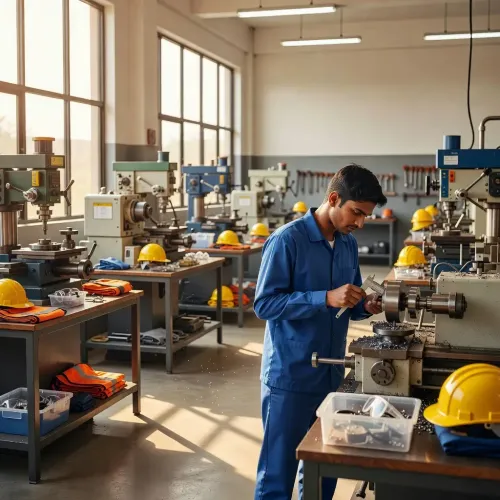
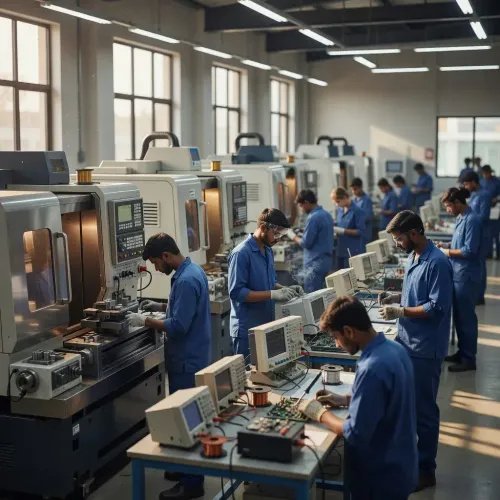
Across all clusters, the investment will focus on modernising physical infrastructure, introducing industry-aligned and new-age training programmes, strengthening trainer capacity, deepening industry engagement, and improving employability outcomes for youth. Officials indicated that clusters are being encouraged to pursue ISO certification and incorporate at least one WorldSkills-aligned trade or competency area in their approved implementation plans — a signal of the scheme's push toward global benchmarking.
Trainer Development under PM-SETU
The committee also reviewed the Training of Trainers (ToT) programme under Component II of PM-SETU, which aims to build a pool of industry-ready instructors equipped with both technical and pedagogical skills. As of October 2026, 3,744 trainers have been trained through National Skill Training Institutes (NSTIs) under this initiative.
What the Government Said
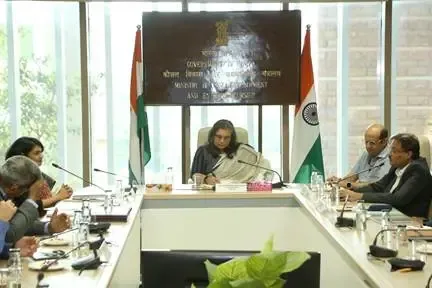
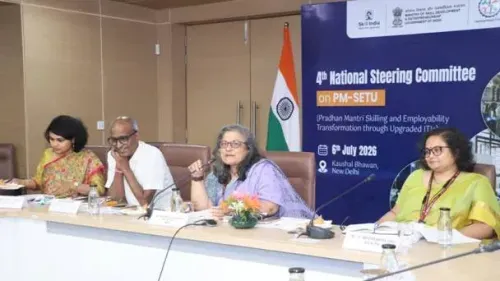
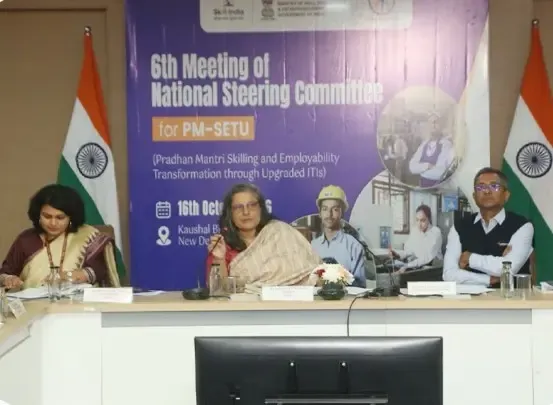
Debashree Mukherjee, Secretary of the Ministry of Skill Development and Entrepreneurship (MSDE), who chaired the 6th National Steering Committee PM-SETU meeting, said: 'The approvals given by the National Steering Committee are an important step in implementing PM-SETU. They will help strengthen ITIs, improve training and increase industry participation. We encourage clusters to work towards ISO certification and include at least one WorldSkills-aligned trade or competency area in their Approved Implementation Plans. Our aim is to improve training quality and help young people gain skills that lead to better employment opportunities. The progress made by Jammu and Kashmir is encouraging and reflects a strong commitment to strengthening skilling and expanding opportunities for youth in the region.'
The meeting was attended by senior officials from the MSDE, the Directorate General of Training (DGT), state governments, Union Territory administrations, industry partners, multilateral development banks, and other PM-SETU stakeholders.
Broader Context
This approval represents the latest tranche in an ongoing government effort to overhaul India's vocational training ecosystem. ITIs have historically been criticised for outdated curriculum and poor industry linkages, with graduate employability lagging demand. The PM-SETU framework's hub-and-spoke design — pairing anchor ITIs with smaller satellite institutes — is designed to concentrate resources while extending reach. Notably, the inclusion of Jammu and Kashmir alongside industrial states like Maharashtra signals a deliberate geographic equity push. With the cumulative outlay now at ₹3,687 crore, the pace of approvals is set to define how quickly the broader ITI network can be transformed before the next skills-demand cycle peaks.
Point of View
But the deeper question is whether industry partnerships will translate into sustained post-training employment — a gap that has historically bedevilled ITI reform. The push for WorldSkills-aligned trades and ISO certification is directionally sound, yet without a public-facing employability outcome dashboard, measuring real impact will remain difficult. The inclusion of Jammu and Kashmir is politically significant, but the region's absorptive capacity for skilled workers is limited absent parallel industrial investment. The ₹3,687 crore committed so far is meaningful, yet pales against the scale of India's skilling deficit — suggesting PM-SETU is a foundation, not a solution.
NationPress
16 Oct 2026
Frequently Asked Questions
What is the PM-SETU scheme?
PM-SETU, or Pradhan Mantri Skilling and Employability Transformation through Upgraded ITIs, is a central government scheme to modernise Industrial Training Institutes by upgrading infrastructure, aligning curricula with industry needs, and deepening employer partnerships. It operates through hub-and-spoke ITI clusters implemented in partnership with state governments and private industry.
Which states received approval in the latest PM-SETU tranche?
The October 2026 approval covers ITI clusters in Maharashtra (Pune and Chhatrapati Sambhajinagar), Odisha (Kataka), and the Union Territory of Jammu and Kashmir (Jammu). The combined investment approved in this tranche is ₹1,194.92 crore.
Who are the industry partners for the newly approved clusters?
Tata Steel Foundation will partner on the Kataka cluster in Odisha; BVG India Limited (with BVG Foundation) on the Pune cluster; Belrise Industries Limited on the Chhatrapati Sambhajinagar cluster; and Eagle Infra India Limited on the Jammu cluster.
How much has the government invested in PM-SETU so far?
The cumulative investment approved under PM-SETU has reached ₹3,687 crore following the latest round of clearances on 16 October 2026. The scheme also has a trainer-development component under which 3,744 instructors have been trained through National Skill Training Institutes as of October 2026.
What standards are ITI clusters expected to meet under PM-SETU?
The National Steering Committee has urged all clusters to pursue ISO certification and include at least one WorldSkills-aligned trade or competency area in their approved implementation plans, signalling a push to benchmark Indian vocational training against global standards.