CM Dhami Thanks Modi, Sitharaman for ₹1,244 Cr Tax Transfer to Uttarakhand

Synopsis
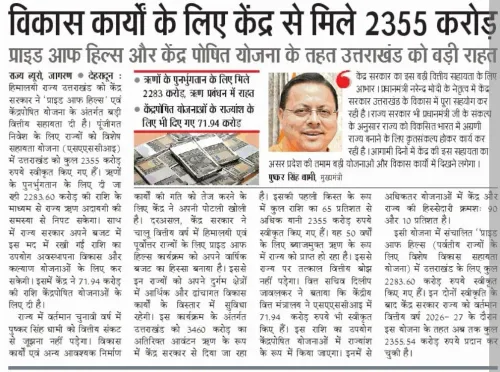
Uttarakhand CM Pushkar Singh Dhami thanked PM Modi and FM Sitharaman on August 1, 2026, after the Centre released ₹1,244 crore to the state under the constitutional tax devolution process, funds earmarked for ongoing and new development schemes.
Key Takeaways
The Centre released ₹1,244 crore to Uttarakhand under the tax devolution process on or before August 1, 2026 .
CM Pushkar Singh Dhami publicly thanked PM Narendra Modi and Finance Minister Nirmala Sitharaman for the disbursement.
Tax devolution is mandated under Article 270 of the Constitution; the current formula is set by the 15th Finance Commission for 2021–2026.
Uttarakhand is a special category state , historically receiving higher per-capita devolution due to its hilly terrain and infrastructure costs.
Funds are intended to support existing state development schemes and enable new programme launches.
The 16th Finance Commission is expected to reset devolution terms after 2026, making timely releases in the current cycle critical for scheme completion.
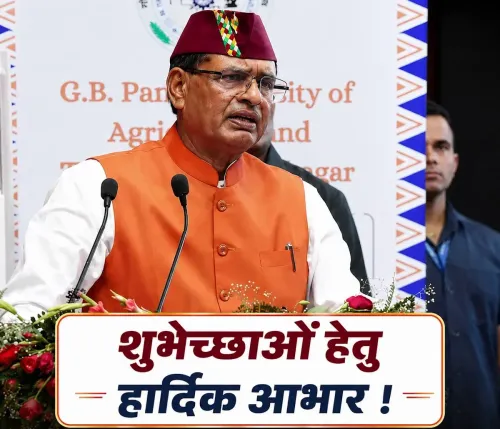
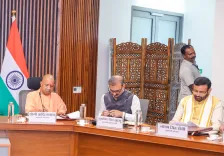
A fresh infusion of central funds is heading to the hills. Uttarakhand Chief Minister Pushkar Singh Dhami on Saturday, August 1, 2026, publicly acknowledged the release of ₹1,244 crore to the state under the tax devolution process — crediting Prime Minister Narendra Modi and Union Finance Minister Nirmala Sitharaman for the disbursement.
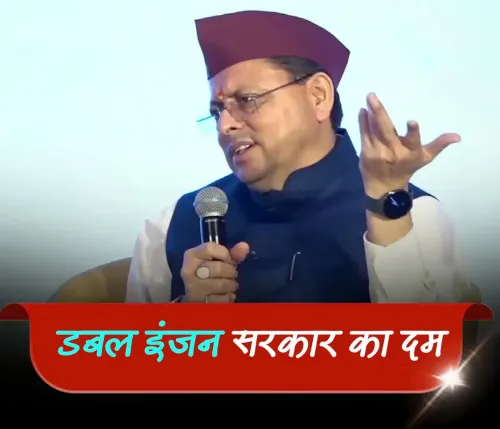
Posting in Hindi on X, CM Dhami expressed gratitude: 'कर हस्तांतरण प्रक्रिया में उत्तराखण्ड को ₹1244 करोड़ की धनराशि जारी करने हेतु... हार्दिक आभार' — ('Heartfelt thanks for releasing ₹1,244 crore to Uttarakhand under the tax devolution process'). He added that the funds would support the successful implementation of existing development schemes and help launch new ones.
What Tax Devolution Actually Means for a Hill State
This is not a grant or a special package — it is Uttarakhand's constitutional entitlement. Under Article 270 of the Indian Constitution, a fixed share of central taxes flows to states based on Finance Commission awards. The 15th Finance Commission, whose recommendations cover 2021 to 2026, set the aggregate devolution pool for all states at 41 percent of divisible central taxes, with each state's individual share determined by a weighted formula.
Uttarakhand's position in that formula is shaped by its geography. Classified as a special category state, it has historically received higher per-capita devolution alongside additional grants to account for its hilly terrain, sparse population density, and elevated infrastructure costs. These releases typically arrive in monthly or quarterly instalments to keep state budgets liquid throughout the financial year.
Where the ₹1,244 Crore Is Likely to Flow
CM Dhami's post points to two uses: sustaining schemes already underway and seeding new ones. Uttarakhand's development agenda spans road connectivity in remote districts, drinking water infrastructure, rural housing, and tourism-linked projects in the Char Dham corridor — all capital-intensive in mountainous conditions. A mid-year devolution instalment of this scale gives the state treasury the headroom to clear contractor bills, release beneficiary payments, and greenlight pending tenders before the fiscal year's second half accelerates.
With the 16th Finance Commission expected to submit its recommendations after 2026, this release arrives in the final stretch of the current award period — making timely disbursement especially consequential for schemes that need to show completion before the next devolution cycle resets the terms.
For a state that depends heavily on central transfers to bridge its own revenue limitations, ₹1,244 crore is not a footnote — it is the engine that keeps the development calendar on track.
Point of View
Reinforcing the party's vertical coordination optics ahead of any electoral cycle. For Uttarakhand, a state with limited own-tax revenue and a heavy dependence on central transfers, the timing of devolution instalments carries real fiscal weight, not just symbolic value. The 15th Finance Commission's award period closing in 2026 adds urgency: states that demonstrate scheme absorption capacity now are better positioned to argue for higher shares under the incoming 16th Commission. Dhami's tweet, read in that light, is simultaneously a receipt, a political signal, and a pitch.
NationPress
15 Sept 2026
Frequently Asked Questions
What is tax devolution and why did Uttarakhand receive ₹1,244 crore?
Tax devolution is the constitutionally mandated transfer of a share of central tax revenues to states under Article 270. Uttarakhand received ₹1,244 crore as its due instalment under the 15th Finance Commission formula, which governs state shares for 2021–2026.
What is Uttarakhand's special category state status?
Uttarakhand is classified as a special category state due to its hilly terrain, low population density, and high infrastructure costs. This classification has historically entitled it to higher per-capita central transfers and additional grants compared to general category states.
Who decides how much central tax money each state gets?
The Finance Commission, a constitutional body appointed every five years, determines each state's share of central taxes. The 15th Finance Commission set the total devolution pool at 41 percent of divisible central taxes for the period 2021 to 2026.
What will Uttarakhand use the ₹1,244 crore for?
CM Dhami stated the funds will support the successful implementation of existing state development schemes and help launch new programmes, covering areas such as infrastructure, connectivity, and public welfare in the state.
When does the current Finance Commission award period end?
The 15th Finance Commission's recommendations cover the period 2021 to 2026. The 16th Finance Commission is expected to submit new devolution recommendations after 2026, which will reset the terms for central tax transfers to all states.