Centre releases ₹1,09,019 crore tax devolution to states to boost capex

Synopsis
The Centre front-loaded ₹1,09,019 crore in tax devolution to states on 1 August — weeks ahead of the regular transfer — to fuel capital spending at the state level. With India's Q1 fiscal deficit already at 18.2% of the full-year target and net tax receipts surging to ₹6.4 lakh crore, the move signals both fiscal confidence and a deliberate push to prevent year-end expenditure bunching.
Key Takeaways
The Centre released ₹1,09,019 crore in additional tax devolution to states on 1 August , separate from the regular monthly transfer due on 10 August .
Uttar Pradesh received the highest share at ₹19,208 crore , followed by Bihar ( ₹10,845 crore ) and Madhya Pradesh ( ₹8,010 crore ).
A similar additional devolution of ₹1,01,603 crore was released in October last year ahead of the festive season.
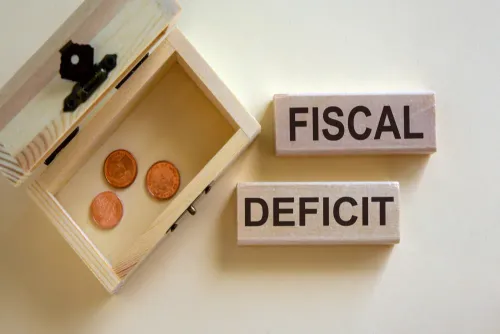
India's fiscal deficit for April–June stood at ₹3.1 lakh crore , or 18.2% of the full-year estimate, per CGA data.
Net tax receipts for the same quarter rose to ₹6.4 lakh crore from ₹5.4 lakh crore a year earlier.
The Centre has budgeted a fiscal deficit of ₹16.96 lakh crore ( 4.3% of GDP ) for FY27 .
The Centre on Saturday, 1 August released an additional instalment of tax devolution worth ₹1,09,019 crore to state governments — separate from the regular monthly devolution scheduled for 10 August. The move is aimed at strengthening state finances and accelerating capital and developmental expenditure across the country, according to an official statement.
State-wise Breakdown
Uttar Pradesh, India's most populous state, received the largest share at ₹19,208 crore, followed by Bihar (₹10,845 crore) and Madhya Pradesh (₹8,010 crore). West Bengal received ₹7,866 crore, Maharashtra got ₹7,022 crore, and Rajasthan was allocated ₹6,460 crore.
Among southern and eastern states, Odisha received ₹4,819 crore, Karnataka ₹4,504 crore, Andhra Pradesh ₹4,597 crore, Tamil Nadu ₹4,466 crore, and Jharkhand ₹3,660 crore.
Context: A Recurring Fiscal Tool
This is not the first time the Centre has front-loaded devolution ahead of schedule. In October last year, an additional ₹1,01,603 crore was released to states — that time ahead of the festive season — to enable accelerated capital spending and fund development and welfare programmes. The current release follows a similar rationale: push funds early so states can deploy them before the financial year's spending momentum typically slows.
Notably, the August release comes at a time when India's fiscal deficit for the April–June quarter of the current financial year stood at ₹3.1 lakh crore, equivalent to 18.2% of the full-year budget estimate, according to data from the Controller General of Accounts (CGA). This is higher than the ₹2.8 lakh crore recorded in the same period last year, reflecting stepped-up government spending even as revenue collections have remained robust.
Revenue Collections Remain Strong
Net tax receipts during the April–June quarter rose to ₹6.4 lakh crore, up from ₹5.4 lakh crore in the corresponding quarter of the previous year — a sign of sustained growth in both direct and indirect tax inflows despite global economic headwinds.
Fiscal Consolidation Path
For FY27, the Centre has budgeted a fiscal deficit of ₹16.96 lakh crore, equivalent to 4.3% of GDP, as part of a deliberate gliding-path approach to fiscal consolidation. The early devolution is designed to complement this strategy by enabling states to front-load capital expenditure rather than bunching it into the year's final quarter — a pattern that has historically diluted spending quality.
With states now armed with additional liquidity, the focus shifts to whether capital expenditure translates into on-ground project execution before the next review cycle.
Point of View
But the August timing is telling — it precedes neither a festive season nor a state election wave, suggesting the Centre is responding to signs that state capital expenditure has been lagging. With Q1 fiscal deficit already at 18.2% of the full-year target, the Centre is walking a tightrope: pushing states to spend while managing its own consolidation glide path to 4.3% of GDP. The real question is absorption capacity — states have historically struggled to deploy large tranches quickly, and unspent devolution funds parked in state treasuries do little for growth. Whether this release accelerates on-ground infrastructure or simply inflates state cash balances will be the test.
NationPress
1 Aug 2026
Frequently Asked Questions
What is the additional tax devolution of ₹1,09,019 crore released by the Centre?
It is an additional instalment of tax devolution — beyond the regular monthly transfer — released by the Union government to state governments on 1 August to help them accelerate capital and developmental expenditure. The regular monthly devolution for August is separately scheduled for 10 August.
Which states received the most from this tax devolution?
Uttar Pradesh received the highest amount at ₹19,208 crore, followed by Bihar at ₹10,845 crore and Madhya Pradesh at ₹8,010 crore. West Bengal, Maharashtra, and Rajasthan also received significant allocations.
Has the Centre done this before?
Yes. In October last year, the Centre released an additional ₹1,01,603 crore to states ahead of the festive season to enable accelerated capital spending and welfare-related expenditure. The current release follows a similar pattern.
What is India's fiscal deficit position for the April–June quarter?
India's fiscal deficit for the April–June quarter of the current financial year stood at ₹3.1 lakh crore, which is 18.2% of the full-year budget estimate, according to Controller General of Accounts data. This is higher than the ₹2.8 lakh crore recorded in the same period last year.
How are tax revenues performing despite the higher fiscal deficit?
Net tax receipts for the April–June quarter rose to ₹6.4 lakh crore from ₹5.4 lakh crore in the same period last year, indicating sustained growth in direct and indirect tax inflows even amid global economic uncertainties.