CM Pema Khandu Meets NHRC Member Priyank Kanoongo
Synopsis
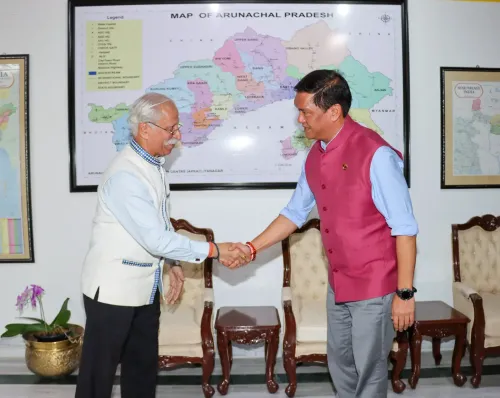
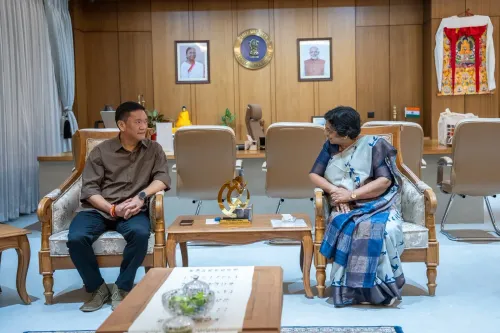
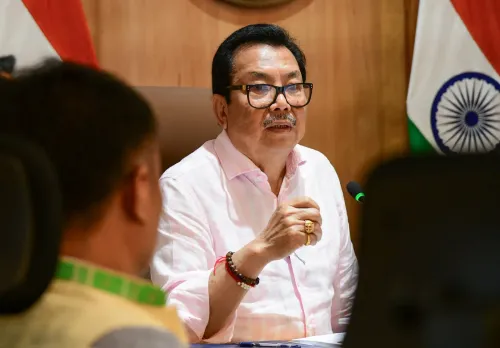
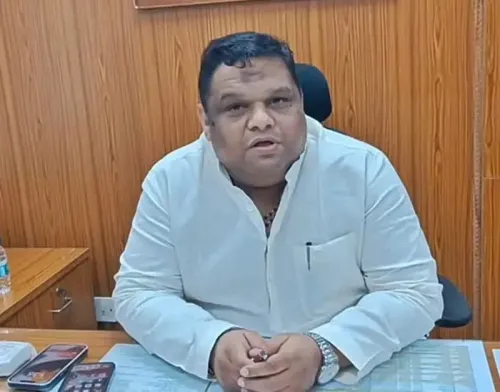
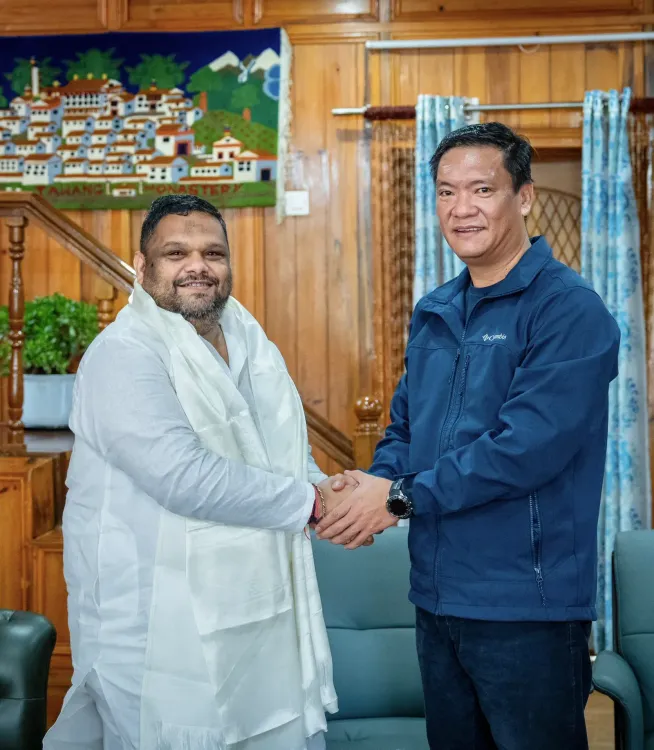
Arunachal Pradesh Chief Minister Pema Khandu received NHRC Member Priyank Kanoongo on August 1, 2026, for a courtesy visit. The two discussed issues of public importance in a meeting that reflects routine federal coordination between India's human rights watchdog and state governments.
Key Takeaways
Arunachal Pradesh CM Pema Khandu received NHRC Member Priyank Kanoongo on August 1, 2026 .
The visit was described as a courtesy call focused on 'issues of public importance.' The National Human Rights Commission was established under the Protection of Human Rights Act, 1993 as India's apex statutory human rights body.
NHRC members conduct periodic visits to state governments as part of federal coordination on rights and governance.
No specific policy outcomes or formal recommendations from the meeting have been confirmed.
A courtesy call that bridges Arunachal Pradesh's governance agenda with the national human rights framework — Arunachal Pradesh Chief Minister Pema Khandu received National Human Rights Commission (NHRC) Member Priyank Kanoongo on Saturday, August 1, 2026, for a discussion the CM described as centred on 'issues of public importance.'
A Statutory Watchdog at the CM's Door
The National Human Rights Commission is no ordinary visitor. Established under the Protection of Human Rights Act, 1993, the NHRC is India's apex statutory body mandated to inquire into human rights violations and hold state and central governments accountable. When one of its members makes a personal call on a state's chief executive, it signals active federal coordination — not a ceremonial formality.
Priyank Kanoongo has served as an NHRC Member under the Government of India. His outreach to state leadership is consistent with the Commission's practice of periodic engagement with chief ministers across Indian states to assess ground-level rights conditions and governance gaps.
Why Arunachal Pradesh, Why Now
Arunachal Pradesh occupies a unique position in India's governance map — a frontier state with a sparse population, significant tribal communities, and a complex administrative terrain. Human rights considerations in such a state span land rights, access to justice, and the delivery of central welfare schemes to remote constituencies. These are precisely the kind of 'issues of public importance' that NHRC engagement is designed to surface.
Courtesy visits of this nature typically precede or follow NHRC reviews, state human rights reports, or the processing of complaints routed through the Commission. Whether this meeting generates formal follow-up — a recommendation, a report, or a state-level action plan — remains to be tracked.
Point of View
A frontier state with distinct tribal and administrative complexities, such engagement can shape how the Commission prioritises complaints and recommendations from the region. CM Khandu's willingness to publicly flag the meeting signals that his administration views human rights coordination as a governance asset, not a liability. Whether this translates into concrete NHRC action on Arunachal-specific issues will be the real measure of the meeting's worth.
NationPress
1 Aug 2026
Frequently Asked Questions
Who is Priyank Kanoongo and what is his role?
Priyank Kanoongo is a Member of the National Human Rights Commission (NHRC), Government of India — the statutory body set up under the Protection of Human Rights Act, 1993 to inquire into human rights violations across the country.
Why did an NHRC member visit the Arunachal Pradesh Chief Minister?
The visit was a courtesy call to discuss issues of public importance. NHRC members periodically engage with state chief ministers as part of routine federal coordination on governance and human rights matters.
What is the National Human Rights Commission of India?
The NHRC is an independent statutory body established in 1993 under the Protection of Human Rights Act. It is mandated to protect and promote human rights and can inquire into violations by state and central government agencies.
Will this meeting lead to any NHRC action on Arunachal Pradesh?
No specific outcomes have been confirmed. Such visits can precede NHRC reviews or recommendations, but any formal follow-up would depend on the Commission's internal processes.
What human rights issues are relevant to Arunachal Pradesh?
Key concerns in Arunachal Pradesh include land and tribal rights, access to justice in remote areas, and equitable delivery of central welfare schemes — all areas within the NHRC's broad mandate.