Deep-sea fishing workshop in Gandhinagar to boost India's high-value fisheries
Synopsis
India's fishing activity is largely confined to 40–50 nautical miles from shore, leaving vast deep-sea resources — including high-value tuna — barely tapped. A national workshop in Gandhinagar on 18 September, attended by Union Minister Rajiv Ranjan Singh and Gujarat CM Bhupendra Patel, aims to close that gap by aligning policy, finance, and technology for fishers eyeing an EEZ estimated at 58.6 lakh MT.
Key Takeaways
A national deep-sea fishing workshop will be held in Gandhinagar, Gujarat on 18 September 2026 .
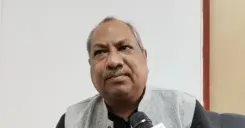
Union Minister Rajiv Ranjan Singh and Gujarat Chief Minister Bhupendra Patel will attend.
India's marine fisheries potential within the EEZ is estimated at 58.6 lakh MT , supporting about 50 lakh fishers .
India's seafood exports stood at approximately ₹73,890 crore in FY 2025-26 .
Most current fishing is limited to 40–50 nautical miles from the coast; deeper waters offer high-value species like tuna .
Sessions will cover vessel modernisation, skill development, financing, value addition, and export market access.
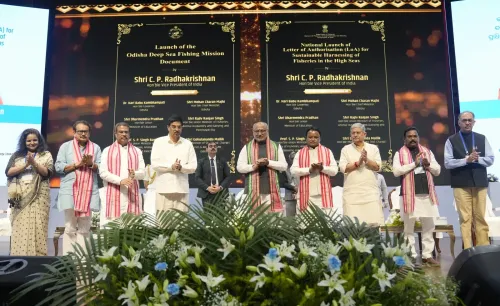
The Centre is set to organise a national workshop on deep-sea fishing in Gandhinagar, Gujarat on 18 September 2026, aimed at encouraging fishers to harness high-value fisheries resources and strengthening India's deep-sea fishing ecosystem. The event, focused on the promotion of deep-sea fishing and interaction with access pass and letter of authorisation (LoA) holders, will bring together policymakers, technical experts, financial institutions, industry stakeholders, cooperatives, and fishers for focused deliberations.
Key Stakeholders and Participants
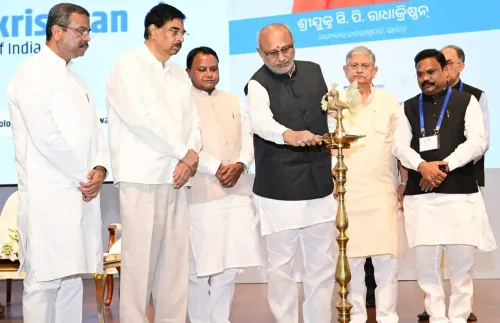
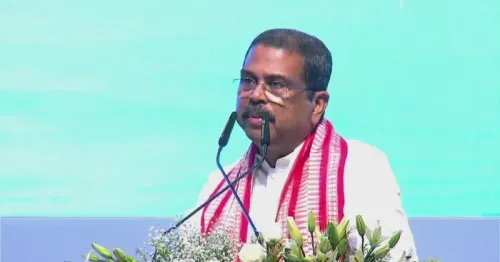
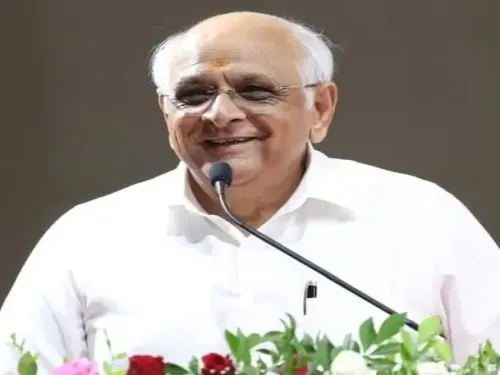
The workshop will be attended by Union Minister Rajiv Ranjan Singh and Gujarat Chief Minister Bhupendra Patel, among other senior officials and sector representatives. The gathering is expected to serve as a significant platform for dialogue between government authorities and ground-level fishing communities, allowing fishers to articulate on-ground challenges and offer practical suggestions for sector improvement.
India's Fisheries Potential and the Deep-Sea Gap
The timing of the workshop is significant. India's marine fisheries potential within its Exclusive Economic Zone (EEZ) is estimated at 58.6 lakh metric tonnes (MT), supporting the livelihoods of approximately 50 lakh fishers and contributing to food security, nutrition, employment, income generation, and export revenues. The country is currently among the leading fisheries and aquaculture producing nations globally, with seafood exports valued at around ₹73,890 crore during FY 2025-26.
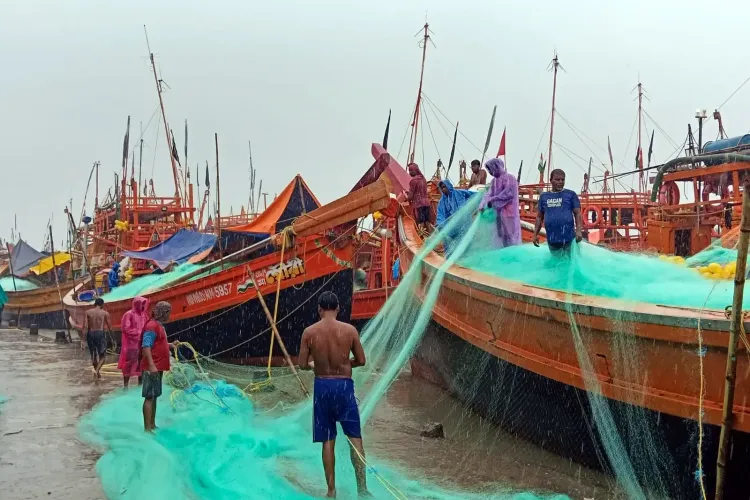
However, most fishing activity remains concentrated within 40–50 nautical miles of the coastline. Deeper waters and areas beyond national jurisdiction hold substantial untapped potential, particularly for high-value species such as tuna and tuna-like resources — a gap this initiative directly seeks to address.
What the Workshop Will Cover
The event will feature focused technical sessions spanning the full deep-sea fishing value chain. Topics will include resource potential assessment, vessel modernisation, skill development, access to financing, post-harvest processing, value addition, and pathways to export markets. The discussions and recommendations are expected to help identify practical solutions to existing barriers and facilitate greater participation of fishers in deep-sea operations.
Broader Policy Push for the Sector
The workshop aligns with the Department of Fisheries' broader strategy of strengthening fisheries farmer producer organisations (FFPOs) and fisheries cooperatives, alongside a push for digitisation of the sector through various government-led initiatives. According to the official statement, improving access to technology, skills, finance, and markets remains central to the government's fisheries development agenda.
Recommendations emerging from the Gandhinagar workshop are expected to inform policy refinements and practical interventions aimed at scaling India's deep-sea fishing capacity in the months ahead.
Point of View
890 crore seafood export figure is impressive on its face, but it is built largely on near-shore catches concentrated within 50 nautical miles of the coast — a structural constraint that caps both volume and value. The deep-sea EEZ, estimated at 58.6 lakh MT, remains systematically underutilised, not for lack of resources but for lack of vessels, skills, and financing channels. Workshops can set direction, but the real test is whether LoA holders and FFPOs get the credit access and port infrastructure to convert policy intent into tonnage. Without a credible implementation roadmap tied to this workshop's recommendations, it risks becoming another well-attended consultation that stops short of structural change.
NationPress
16 Sept 2026
Frequently Asked Questions
What is the deep-sea fishing workshop being organised in Gandhinagar?
It is a national workshop on the promotion of deep-sea fishing, scheduled for 18 September 2026 in Gandhinagar, Gujarat. The event will bring together policymakers, technical experts, financial institutions, cooperatives, and fishers to address on-ground challenges and strengthen India's deep-sea fishing ecosystem.
Why is deep-sea fishing important for India?
India's marine fisheries potential within its Exclusive Economic Zone is estimated at 58.6 lakh MT, with high-value species like tuna largely untapped. Most current fishing is confined to 40–50 nautical miles from the coast, leaving substantial deeper-water resources underutilised despite India being a leading global fisheries producer.
Who will attend the Gandhinagar deep-sea fishing workshop?
Union Minister Rajiv Ranjan Singh and Gujarat Chief Minister Bhupendra Patel are among the confirmed attendees. The workshop will also include access pass and LoA holders, industry stakeholders, financial institutions, and fishing cooperatives.
What are the key topics the workshop will cover?
Technical sessions will span the full deep-sea fishing value chain, including resource potential, vessel modernisation, skill development, financing, processing, value addition, and access to export markets. Recommendations from the discussions are expected to inform future policy refinements.
How large are India's seafood exports?
India exported seafood valued at approximately ₹73,890 crore during FY 2025-26, making it one of the leading fisheries and aquaculture producing countries globally. The sector supports the livelihoods of around 50 lakh fishers and contributes significantly to employment and food security.