Kerala tuskers capture: Centre urged to halt Idukki plan
Synopsis
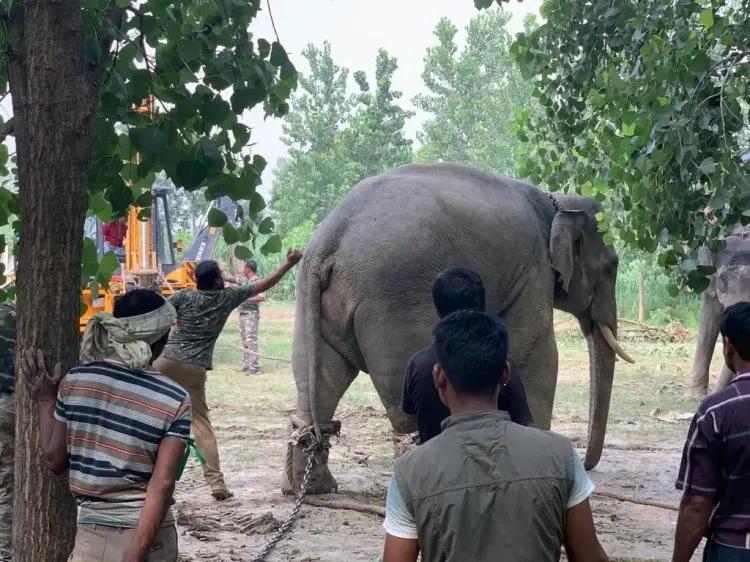
Conservationists have asked the Centre to stop the capture and chemical immobilisation of tuskers Chakkakomban and Murivali in Idukki's Chinnakanal, warning that Chakkakomban is the last mature male holding the herd together after Arikomban's relocation. They want habitat restoration, not relocation, and a freeze until independent veterinary studies are done.
Key Takeaways
Conservationists on 25 November asked the Union Environment Ministry to halt capture, chemical immobilisation and radio collaring of Chakkakomban and Murivali in Chinnakanal , Idukki .
They say Chakkakomban is the only remaining mature male after the relocation of Arikomban and the death of Murivalan .
Safety of Xylazine and Ketamine has been questioned, with EEHV reportedly detected in the region.
The local elephant population is alleged to have fallen from more than 40 to 18 over two decades.
Petitioners want habitat restoration, encroachment removal, trenches, early-warning systems and an impartial probe into a recent tribal death, saying relocation must be the last resort.
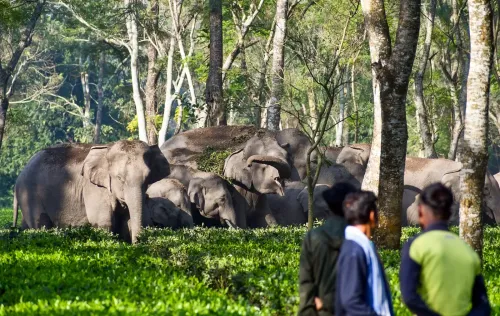
Wildlife conservationists and environmentalists on 25 November approached the Union Ministry of Environment, Forest and Climate Change seeking urgent intervention to stop the proposed capture, chemical immobilisation and radio collaring of wild elephants Chakkakomban and Murivali in Chinnakanal, Idukki. In separate representations, they flagged serious risks to the local herd, the region's ecological balance, and the animals' survival if the Kerala operation proceeds without independent scientific clearance.
Why conservationists want the operation stopped
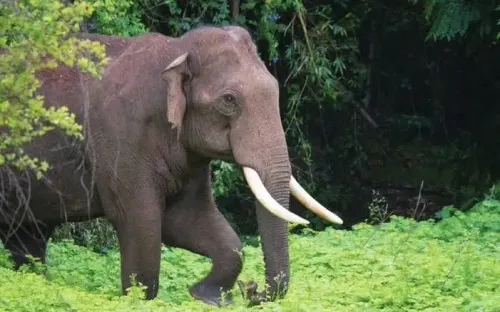
The petitioners argue that Chakkakomban is the only remaining mature male elephant maintaining the genetic diversity and social balance of the local herd following the relocation of Arikomban and the death of Murivalan. Removing the tuskers from their natural habitat, they warn, could seriously affect the survival of the remaining population.
They have demanded an immediate suspension of the capture operation until independent scientific, ecological and veterinary studies are completed. This comes amid a squeeze on the same landscape, where conservationists say conflict-management has increasingly defaulted to driving, capturing or relocating elephants rather than repairing the habitat that once supported a larger herd.
Chemical immobilisation and EEHV concerns
The representations question the safety of using Xylazine and Ketamine for chemical immobilisation. With Elephant Endotheliotropic Herpesvirus (EEHV) reportedly detected in the region, the groups have sought an assessment by an expert veterinary committee and the presence of adequate emergency medical facilities before any darting or collaring is attempted.
Notably, the petitioners have framed immobilisation without that clearance as an avoidable risk to two of the last breeding-age bulls in the pocket. Radio collaring, they argue, should follow veterinary and ecological study rather than precede it, especially where a virus of concern has already been reported.
Population decline and the tribal death
Another major concern is the alleged decline in the local elephant population from more than 40 to 18 over the past two decades. The petitioners have demanded an independent scientific investigation into the reasons for that drop, including forest encroachments, destruction of natural habitats, blocked elephant corridors and restricted access to water sources.
They have also called for an impartial investigation into the recent death of a tribal resident in the region. While expressing sorrow over the incident, they stressed that human safety and elephant conservation should go together, rejecting the idea that one must be traded for the other.
The representations allege that the use of firecrackers and explosives to drive away elephants causes severe psychological stress to the animals. They want those practices and the conflict-management methods adopted by the authorities to be examined rather than treated as settled procedure.
Habitat restoration over capture
Instead of capturing and relocating elephants, the petitioners have called for habitat restoration, removal of encroachments, construction of trenches in vulnerable tribal settlements and the installation of early-warning systems. They have also sought greater community participation in managing human-elephant conflict, arguing that people living on the forest fringe are both exposed to raids and best placed to help prevent them.
The conservationists have urged the Centre and the Kerala government not to yield to pressure from forest encroachers and resort to relocating elephants without scientific justification. Capture, in their telling, would treat a habitat failure as an animal-control problem.
The representation states: “Radio-collar responsibly. Monitor scientifically. Restore habitats. Protect people. Respect wildlife. Relocation must be the last resort, never the first response.”
What the Centre has been asked to do
The representations now sit with the Union Environment Ministry, which has been asked to intervene before the Chinnakanal operation is carried out. Until independent studies are completed, the groups want a freeze on capture, chemical immobilisation and radio collaring of Chakkakomban and Murivali.
How New Delhi and Thiruvananthapuram respond will signal whether Idukki's remaining tuskers are managed as a genetic and ecological asset or as a conflict residue to be moved. The petitioners have made clear that monitoring and habitat repair, not relocation, should be the first response.
Point of View
Darting the last mature bull after Arikomban's relocation would shrink an already thinning gene pool in Chinnakanal. The Centre's test is whether it insists on independent veterinary and corridor science before chemical immobilisation, or allows conflict pressure and encroachment politics to make capture the default. Firecrackers and relocation cannot substitute for restoring water access and corridors that the representations say have been blocked.
NationPress
25 Nov 2026
Frequently Asked Questions
What is the proposed capture of Chakkakomban and Murivali?
It is a planned capture, chemical immobilisation and radio collaring of wild elephants Chakkakomban and Murivali in Chinnakanal, Idukki. Wildlife conservationists have asked the Union Environment Ministry to stop the operation until independent scientific, ecological and veterinary studies are completed.
Why are conservationists opposing the Kerala tusker capture?
They argue that Chakkakomban is the only remaining mature male maintaining the genetic diversity and social balance of the local herd after Arikomban's relocation and Murivalan's death. Removing the elephants from their habitat, they warn, could seriously affect the survival of the remaining population.
What health risks have been raised over chemical immobilisation?
The representations question the safety of using Xylazine and Ketamine, especially with Elephant Endotheliotropic Herpesvirus (EEHV) reportedly detected in the region. Petitioners want an expert veterinary committee assessment and adequate emergency medical facilities before any darting.
How much has the Chinnakanal elephant population declined?
Conservationists allege the local elephant population has fallen from more than 40 to 18 over the past two decades. They have demanded an independent investigation into encroachments, habitat destruction, blocked corridors and restricted access to water sources.
What alternatives have conservationists proposed instead of capture?
They have called for habitat restoration, removal of encroachments, trenches in vulnerable tribal settlements, early-warning systems and greater community participation. Their representation says relocation must be the last resort, never the first response.