Chennai Corporation resumes 40-day waste segregation campaign from October 1
Synopsis
The Greater Chennai Corporation's 'Segregate Waste – Save Tomorrow' campaign is back on track — and early numbers are telling. Segregation compliance jumped from 35% to 64% among households that received collection bags. But with 5,000 households yet to be covered, sanitary bins missing from some vehicles, and slum-area participation still uneven, the real test of the 40-day challenge has only just begun.
Key Takeaways
The Greater Chennai Corporation (GCC) resumed its 'Segregate Waste – Save Tomorrow' campaign on 1 October 2026 across the city's southern region.
Waste segregation compliance rose from 35% to 64% among households supplied with collection bags.
As of 28 September , bags had reached 45,000 of the 50,000 targeted households; the remaining 5,000 are to be covered shortly.
The campaign mandates separation into four categories : biodegradable, non-biodegradable, sanitary, and hazardous, in line with the Solid Waste Management Rules 2026 .
Dedicated red bins for sanitary waste are missing from some collection vehicles; the contractor has placed an order for them.
City-wide expansion will require fresh funding beyond existing CSR contributions.
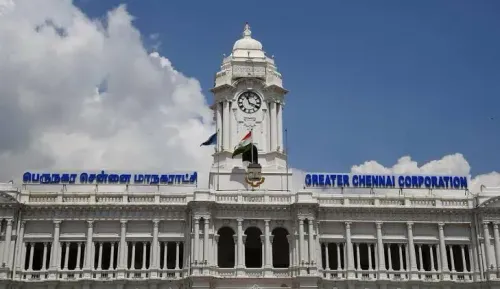
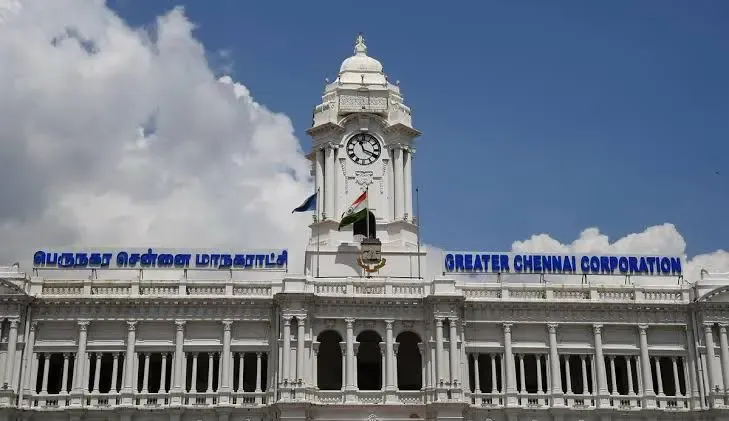
The Greater Chennai Corporation (GCC) in Tamil Nadu resumed its 40-day household waste segregation awareness campaign across the city's southern region on Thursday, 1 October 2026, with civic officials noting a marked improvement in resident participation since collection bags were distributed. The initiative, titled 'Segregate Waste – Save Tomorrow', had been paused after its initial launch on 22 August to allow for the completion of material distribution to targeted households.
Where the Campaign Stands
As of 28 September, dry waste bags and monitoring stickers had reached 45,000 of the 50,000 households identified for the programme. Officials said the remaining 5,000 households would receive their materials shortly, after which the formal 40-day challenge period would formally conclude. Among households already supplied with bags, segregation compliance has improved significantly — rising from 35% to 64%, according to a senior civic official. Households demonstrating the best segregation practices will be recognised with prizes at the campaign's close.
What the Campaign Requires of Residents
The campaign educates residents on separating waste into four categories — biodegradable, non-biodegradable, sanitary, and hazardous — before handing it over to collection workers. This requirement aligns with the Solid Waste Management Rules 2026, which mandate separate disposal across these categories. Residents in Adambakkam said daily visits and reminders from sanitation workers had encouraged compliance. Some households in the area have reportedly been separating wet and dry waste for more than two years.
Gaps on the Ground
Despite progress, residents in certain wards flagged the absence of dedicated red bins for sanitary waste on some collection vehicles. Workers are currently collecting such items in plastic covers or black bins and recording compliance on monitoring sheets placed outside homes. Civic officials have instructed the private waste collection contractor to equip battery-operated vehicles with sanitary waste bins. A contractor spokesperson said red bins had been ordered and would be supplied to drivers upon delivery.
Collection workers said uneven compliance was extending their working hours. A driver covering 23 streets in the Alandur zone said some residents expected workers to sort mixed garbage themselves, delaying collection and cutting into break time.
Funding and Scalability Concerns
A local councillor noted that while segregation was improving in residential neighbourhoods, ensuring consistent participation in slum areas remained a challenge. Officials acknowledged that expanding the campaign across the full city would require additional funding for bags. Supplies for the first phase were secured through corporate social responsibility (CSR) contributions, and further city-wide coverage will depend on obtaining fresh funding support. This comes amid broader national pressure on urban local bodies to comply with centralised solid waste management norms.
Point of View
But it covers only households that received bags — a self-selected group more likely to participate. The harder number is the slum-area figure, which the GCC has not yet published. Waste management campaigns in Indian cities routinely stall at this stage: initial enthusiasm among organised residential colonies, persistent gaps in informal settlements, and funding that runs out before scale is reached. The dependence on CSR money for something as basic as waste bags also flags a structural problem — urban local bodies cannot build sustainable solid waste management on philanthropic contributions. Whether the Solid Waste Management Rules 2026 come with enforcement teeth will determine if this campaign outlasts its 40-day window.
NationPress
1 Oct 2026
Frequently Asked Questions
What is the 'Segregate Waste – Save Tomorrow' campaign by the GCC?
It is a 40-day household waste segregation awareness initiative run by the Greater Chennai Corporation across the city's southern region, launched on 22 August 2026 and resumed on 1 October after a pause for material distribution. The campaign asks residents to separate waste into four categories — biodegradable, non-biodegradable, sanitary, and hazardous — in line with the Solid Waste Management Rules 2026.
How many households are covered under the campaign?
The programme targets 50,000 households in Chennai's southern region. As of 28 September 2026, bags and stickers had been distributed to 45,000 of them, with the remaining 5,000 to receive materials shortly.
Has waste segregation actually improved since the campaign began?
Yes, according to civic officials. Among households supplied with collection bags, segregation compliance rose from 35% to 64%. However, participation in slum areas remains uneven, and some wards still lack dedicated red bins for sanitary waste on collection vehicles.
Why was the campaign paused before October 1?
The GCC paused the campaign after its 22 August launch to complete the distribution of dry waste bags and monitoring stickers to all targeted households. Officials decided to restart only once materials were largely in place, ensuring the 40-day challenge could run with broad coverage.
How is the campaign funded, and can it be expanded city-wide?
The first phase was funded through corporate social responsibility contributions. Officials said expanding the campaign to all parts of Chennai would require additional bags and, therefore, fresh CSR or government funding — the source of which has not yet been confirmed.