Rajpal Yadav cheque bounce case: SC orders ₹1.15 crore deposit, warns of 2-year jail
Synopsis
The Supreme Court has run out of patience with Rajpal Yadav — warning it may raise his sentence from three months to two years after a string of missed payment deadlines. With ₹1.15 crore ordered deposited immediately and ₹85 lakh more due Monday, the actor's ancestral property and personal freedom now hang on a court-mandated schedule.
Key Takeaways
The Supreme Court on 7 October 2026 directed Rajpal Yadav to deposit ₹1.15 crore immediately with the registry, with ₹85 lakh more due by Monday.
The court warned it was inclined to enhance Yadav's sentence from three months to two years' imprisonment over repeated non-compliance.
Yadav's ancestral property — valued at over ₹30 crore — is being sold to part-fund the payment; a buyer was present in court.
The total liability, per the bench, is substantially higher than ₹2 crore ; a payment schedule for the balance will follow.
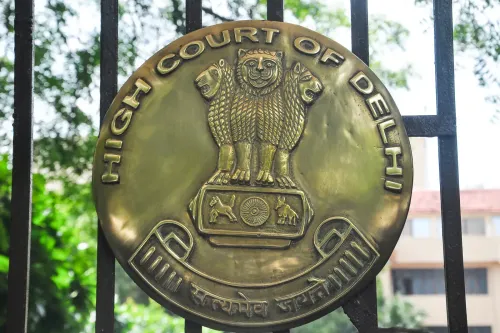
The Delhi High Court had on 10 July upheld Yadav's conviction in seven cheque dishonour cases , reducing his sentence to three months and the fine to ₹1.05 crore per case.
The complainant is M/s Murli Projects Pvt Ltd ; Yadav and his wife Radha Rajpal Yadav have challenged the conviction before the Supreme Court.
The Supreme Court on Wednesday, 7 October 2026, directed actor-comedian Rajpal Yadav to immediately deposit ₹1.15 crore with the apex court registry in connection with multiple cheque dishonour cases, while expressing sharp displeasure over his repeated failure to comply with earlier court directions. The bench also indicated it was inclined to enhance his existing three-month imprisonment sentence to two years.
What the Court Ordered
A bench comprising Chief Justice of India (CJI) Surya Kant, Justice Joymalya Bagchi, and Justice V. Mohana was informed that Yadav had arranged ₹1.15 crore via demand drafts. A prospective buyer of his ancestral property — who was present in court — indicated willingness to pay an additional ₹85 lakh as an advance, bringing the total to ₹2 crore.
The court directed that the ₹1.15 crore be deposited immediately, with the remaining ₹85 lakh to follow by Monday. After receipt of the full ₹2 crore, the bench said it would set a schedule for payment of the outstanding balance — which, according to the court, is substantially higher than ₹2 crore.
Why the Property Sale Is Delayed
Yadav's counsel informed the court that the prospective buyer was unwilling to register the sale documents during Pitru Paksha and preferred to proceed after the commencement of Navratri. The ancestral property in question was valued at more than ₹30 crore, and the buyer was confirmed to have the financial capacity for the proposed advance payment.
The complainant's counsel — representing M/s Murli Projects Pvt Ltd — agreed to the arrangement, stating that if ₹2 crore was paid immediately, Yadav could be granted additional time for the remaining dues.
Court's Displeasure Over Non-Compliance
Justice Bagchi observed that the apex court was not satisfied with Yadav's conduct and clarified that the accommodation being extended to him was solely to ensure that the complainant recovered the money owed. The bench noted a pattern of non-compliance: on 5 October, it had found that its 15 September direction had not been followed, after a photocopy of a purported ₹50 lakh demand draft was produced with assurances that the original would arrive the following day.
On 15 September, the court had already granted Yadav a final two-week opportunity to deposit at least ₹2 crore, having earlier recorded non-compliance with a direction to deposit ₹5 crore.
Background: Conviction and High Court Ruling
The proceedings stem from seven cheque dishonour cases filed against Yadav and his wife, Radha Rajpal Yadav, under the Negotiable Instruments Act. The Delhi High Court on 10 July upheld Yadav's conviction but reduced his sentence from six months to three months' simple imprisonment in each case, to run concurrently. The fine was also reduced from ₹1.60 crore to ₹1.05 crore per case, taking into account payments already made to the complainant during pendency of proceedings.
Before the Supreme Court, Yadav and his wife have challenged the Delhi High Court judgment, contending that a subsequent consent agreement between the parties was not properly considered. They have relied on the apex court's judgment in M/s Gimpex Private Limited vs Manoj Goel, arguing that such an agreement ought to have ended the original complaint proceedings.
What Happens Next
Once the full ₹2 crore is received, the Supreme Court is expected to lay down a structured payment schedule for the remaining liability. The bench's warning of a possible sentence enhancement to two years remains live, and any further lapse in compliance could accelerate that outcome. The case underscores the court's diminishing patience with celebrity litigants who repeatedly seek and miss court-set deadlines.
Point of View
Then ₹2 crore, now ₹1.15 crore in tranches — have each fallen short or arrived in defective form, and the bench's pointed remark about a sentence enhancement from three months to two years signals that celebrity status provides no insulation. What the case also illustrates is the slow grind of cheque-bounce litigation under the Negotiable Instruments Act: the original complaint against Yadav has been alive long enough to travel from trial court to High Court to two rounds of Supreme Court hearing, with the complainant still chasing recovery. The court's framing — that accommodation is being extended for the complainant's benefit, not Yadav's — is a rare and deliberate signal to litigants who mistake judicial patience for judicial indulgence.
NationPress
7 Oct 2026
Frequently Asked Questions
What is the Rajpal Yadav cheque bounce case about?
Rajpal Yadav and his wife Radha Rajpal Yadav were convicted in seven cheque dishonour cases filed by M/s Murli Projects Pvt Ltd under the Negotiable Instruments Act. The Delhi High Court upheld the conviction on 10 July, reducing the sentence to three months' simple imprisonment per case and the fine to ₹1.05 crore per case, all running concurrently.
What did the Supreme Court order on 7 October 2026?
The Supreme Court directed Rajpal Yadav to deposit ₹1.15 crore immediately with the court registry, with an additional ₹85 lakh to be paid by Monday via demand draft from a prospective buyer of his ancestral property. After the full ₹2 crore is received, the court will set a schedule for the remaining outstanding liability.
Why is the Supreme Court displeased with Rajpal Yadav?
The bench noted a series of missed and defective payments — including a photocopy of a demand draft produced on 5 October with assurances the original would arrive the next day. Earlier, a direction to deposit ₹5 crore was not complied with, and a subsequent final deadline for ₹2 crore was also missed, prompting the court to warn of a sentence enhancement from three months to two years.
How much is the total liability Rajpal Yadav faces?
The Supreme Court has indicated the total liability is substantially higher than ₹2 crore, though the exact figure has not been specified in proceedings. The court is expected to lay down a full payment schedule once the initial ₹2 crore is deposited.
What is Rajpal Yadav's legal argument before the Supreme Court?
Yadav and his wife contend that a subsequent consent agreement between the parties was not properly considered by the courts below. They have relied on the Supreme Court's judgment in M/s Gimpex Private Limited vs Manoj Goel, arguing that such a post-complaint agreement ought to have terminated the original proceedings.