Chhattisgarh CM orders probe into misconduct at Bijapur Eklavya school
Synopsis
Chhattisgarh Chief Minister Vishnu Deo Sai has moved beyond a single-school probe — his directive extends to mandatory regular inspections of all girls' hostels and residential schools statewide, explicitly threatening officials who suppress complaints with accountability. The order signals a broader attempt to close the oversight gap in remote tribal educational institutions.
Key Takeaways
CM Vishnu Deo Sai ordered a probe into alleged misconduct with girl students at the Eklavya residential school, Bijapur , on 13 September 2026 .
The Bijapur district collector and superintendent of police have been directed to investigate and take strict legal action against those found guilty.
Officials who suppress, conceal, or delay action on misconduct complaints will be held personally accountable, Sai warned.
All district collectors and SPs across Chhattisgarh have been directed to conduct regular inspections of girls' hostels, ashrams, and residential schools.
Affected students are to receive counselling and support without delay alongside any legal proceedings.
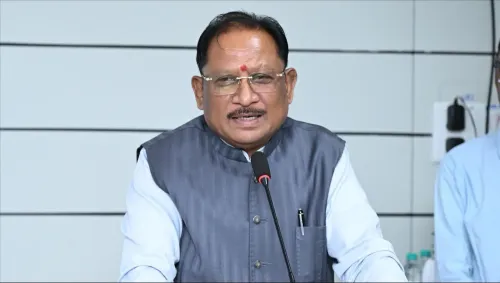
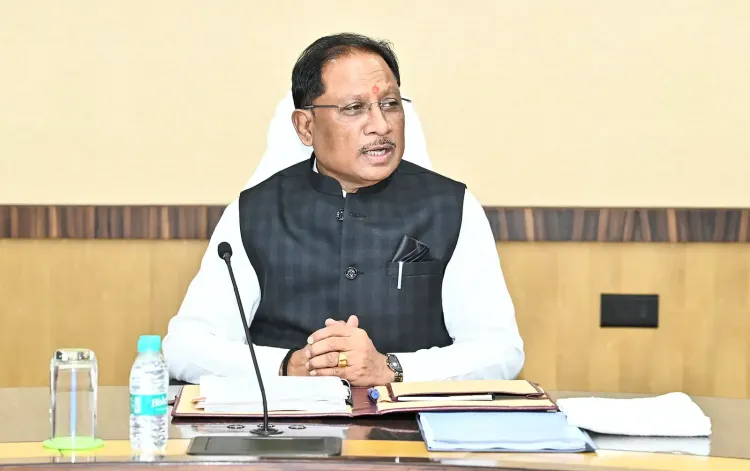
Chhattisgarh Chief Minister Vishnu Deo Sai has directed the Bijapur district collector and superintendent of police to conduct a thorough investigation into alleged misconduct involving girl students at the Eklavya residential school in Bijapur, ordering strict legal action against anyone found guilty. The directive, issued on 13 September 2026, follows complaints from a few girl students at the tribal-focused institution.
What the Chief Minister Ordered
Sai made clear that the safety and dignity of children are non-negotiable. He stated that complaints relating to misconduct, harassment, or an unsafe environment must be addressed immediately and with sensitivity. Officials who suppress, conceal, or delay action on such complaints will themselves be held accountable, he warned.
Beyond the immediate probe in Bijapur, Sai instructed all district collectors and superintendents of police across Chhattisgarh to carry out regular inspections of girls' hostels, ashrams, and residential schools statewide. Inspections must cover security arrangements, the presence of responsible staff, and the systems in place for redressing student grievances.
Proactive Monitoring, Not Just Reactive Action
The Chief Minister underscored that the administration should not wait for complaints to surface before acting. Officials are expected to proactively identify and prevent potential problems through continuous communication and monitoring — a departure from the reactive approach that critics argue has historically characterised governance of remote residential schools.
The education department and police have been jointly directed to take immediate, coordinated action whenever complaints of misconduct, harassment, intimidation, or threats against girl students are received. Counselling and psychological support must also be provided to affected students without delay, Sai added.
Context: Students in Remote Residential Institutions
Eklavya Model Residential Schools are centrally supported institutions primarily serving children from Scheduled Tribe communities in remote and forested regions. Bijapur, located in south Chhattisgarh's Bastar division, is among the more geographically isolated districts in the state — a factor that, according to child welfare observers, can limit both oversight and access to grievance mechanisms for students.
This is not the first time concerns have been raised about safety conditions in residential schools in tribal areas of Chhattisgarh. The latest incident adds to a pattern of reported lapses that have periodically prompted administrative responses, though critics argue sustained monitoring has remained inconsistent.
Accountability Framework and What Comes Next
Sai's directive explicitly holds negligent officials — not just alleged perpetrators — responsible, a signal that accountability is being pushed up the administrative chain. The Chief Minister's intervention is expected to prompt swift action from Bijapur authorities while reinforcing statewide inspection protocols for residential educational institutions.
With formal investigation orders now in place, the district collector and police superintendent in Bijapur are expected to submit a preliminary report in the coming days; the outcome could determine whether further state-level action or legal proceedings follow.
Point of View
But the real test lies in follow-through. Chhattisgarh's remote tribal districts have seen periodic administrative alerts about residential school safety that rarely translate into sustained monitoring. Threatening officials who suppress complaints is meaningful only if there is an independent mechanism to surface suppression — which the order does not detail. The broader statewide inspection mandate is welcome, but without a public reporting framework and defined timelines, it risks becoming another circular that collects dust at the district level.
NationPress
13 Sept 2026
Frequently Asked Questions
What happened at the Eklavya residential school in Bijapur, Chhattisgarh?
A few girl students at the Eklavya residential school in Bijapur reportedly made complaints of alleged misconduct against them at the institution. Chhattisgarh Chief Minister Vishnu Deo Sai took serious note of the complaints on 13 September 2026 and ordered a formal investigation by the district collector and superintendent of police.
What action has Chhattisgarh CM Vishnu Deo Sai ordered?
Sai has directed the Bijapur district collector and superintendent of police to investigate the allegations thoroughly and take strict legal action against anyone found guilty. He also warned that officials who suppress or delay action on such complaints will be held accountable.
Will the probe be limited to Bijapur or cover the entire state?
The probe is focused on the Bijapur Eklavya school, but CM Sai has simultaneously directed all district collectors and SPs across Chhattisgarh to conduct regular inspections of girls' hostels, ashrams, and residential schools statewide to prevent similar incidents.
What are Eklavya Model Residential Schools?
Eklavya Model Residential Schools are centrally supported institutions established to provide quality education to children from Scheduled Tribe communities, primarily in remote and forested regions. They function much like Navodaya Vidyalayas but specifically target tribal students in areas with limited access to mainstream schooling.
What support will be provided to the affected students?
Chief Minister Sai directed the education department and police to ensure that necessary counselling and psychological support are provided to affected students without delay, alongside the ongoing legal investigation.