Chhattisgarh CMO: Grain ATMs bring speed to PDS
Synopsis
Chhattisgarh's Annapurti Grain ATM uses biometric authentication and automated weighing to dispense PDS rations in minutes, replacing manual processes with a transparent, technology-driven system that shows beneficiaries their entitlement on-screen in real time.
Key Takeaways
The Annapurti Grain ATM dispenses subsidised food grains automatically using biometric authentication , eliminating manual handling at the last mile.
Beneficiaries see their entitlement displayed on-screen and watch automated weighing fill their allotment — the entire process is visible to them.
The initiative is part of India's broader push to integrate Aadhaar-linked biometrics and digital tools into the Public Distribution System to curb diversion and pilferage.
The Chief Minister's Office of Chhattisgarh announced the development on 14 August 2026 , framing it under the state's 'Sushasan Sarkar' (good governance) agenda.
Exact rollout scale, district-wise coverage, and measured outcomes for the scheme remain unconfirmed in public records.
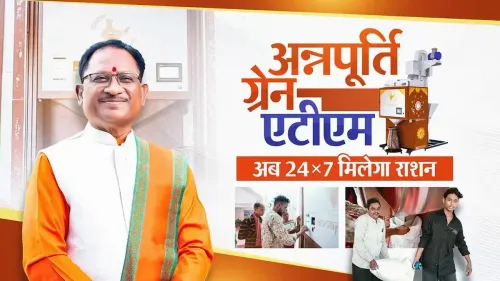
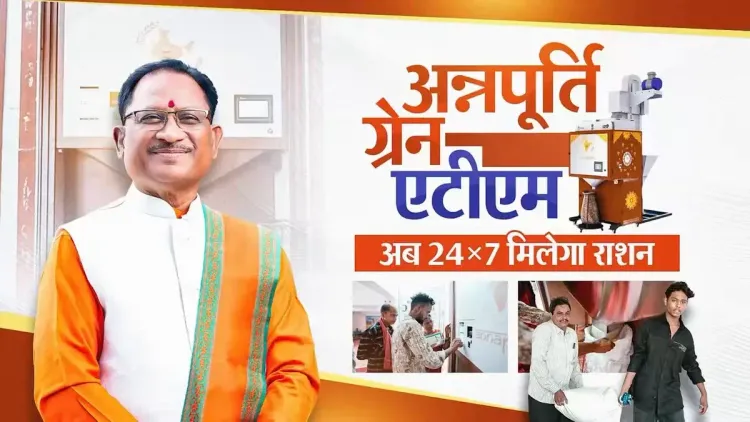
In Chhattisgarh, the wait at the ration shop may soon be a memory. The Chief Minister's Office of Chhattisgarh highlighted on 14 August 2026 how the Annapurti Grain ATM scheme is reshaping how subsidised food grains reach the state's most vulnerable households — with biometrics, automated weighing, and a screen that shows every gram dispensed.
The post captures the promise in a tight phrase: 'tकनीक से सुविधा, पारदर्शिता से विश्वास' — 'technology for convenience, transparency for trust.' That is not just a slogan. It is the operating logic of a machine that authenticates a beneficiary's identity, calculates their entitlement, and dispenses the exact quantity — all in minutes, all in front of the person receiving it.
What the Annapurti Grain ATM actually does
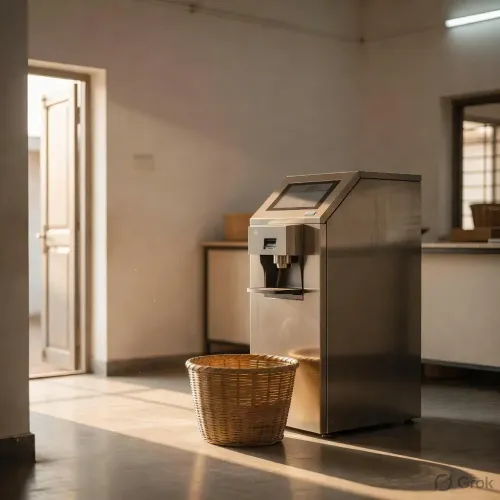
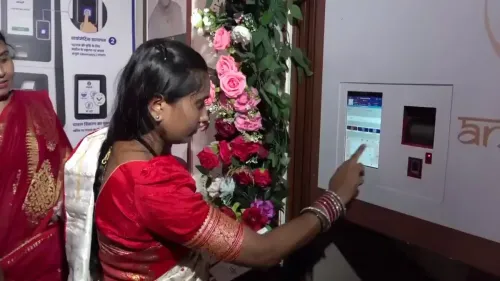
At its core, the Annapurti Grain ATM is an automated dispensing unit plugged into the Public Distribution System (PDS). A beneficiary walks up, authenticates via biometric verification, sees their entitlement displayed on-screen, and watches an automated weighing mechanism fill their allotment. No human intermediary handles the grain between the machine and the household. That single design choice addresses the oldest complaint in PDS delivery: diversion at the last mile. The broader architecture is not new to India. Aadhaar-linked biometric authentication was scaled into PDS operations nationally from the mid-2010s onward, and several states have experimented with electronic point-of-sale devices and automated dispensing units. What the Chhattisgarh model adds — at least in intent — is the visible, real-time display of entitlement data, so the beneficiary can verify every step themselves.PDS reform and the leakage problem
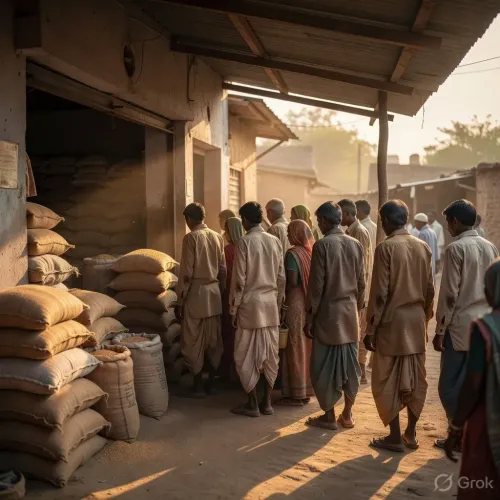
India's food security net is vast. The PDS covers hundreds of millions of households with subsidised rice, wheat, and other essentials. But the system has historically struggled with pilferage, ghost beneficiaries, and short-weighing — problems that erode trust and divert grain away from the people it is meant to reach. Biometric seeding of ration cards was the first big fix. Grain ATMs are the next layer: making the dispensing process itself tamper-resistant and auditable. Multiple states have moved in this direction as part of wider Digital India governance reforms, treating real-time monitoring and automated delivery as the twin levers to close the gap between entitlement on paper and grain in hand.What to watch as Chhattisgarh scales up
The CMO's post does not specify how many Grain ATMs are currently operational or the districts covered. Those numbers matter. A pilot that works in one block is a proof of concept; a network that covers tribal and remote districts is a governance transformation. Independent data on reduced diversion rates and beneficiary feedback will be the real measure of whether the machine delivers on its promise. For now, Chhattisgarh has signalled the direction clearly — and on the eve of Independence Day 2026, the timing of that signal carries its own weight.Point of View
Putting entitlement data directly in the beneficiary's line of sight. The political framing as 'Sushasan Sarkar' (good governance government) is deliberate: welfare technology is increasingly a reputational asset for state governments competing on delivery metrics. The test, as always, will be whether the infrastructure reaches the districts that need it most, not just those easiest to serve.
NationPress
28 Sept 2026
Frequently Asked Questions
What is the Annapurti Grain ATM in Chhattisgarh?
The Annapurti Grain ATM is an automated ration dispensing machine used in Chhattisgarh's Public Distribution System. It uses biometric authentication to verify a beneficiary's identity, displays their entitlement on-screen, and dispenses the exact quantity of grain through automated weighing — all without manual handling.
How does biometric authentication work in PDS ration distribution?
Beneficiaries authenticate their identity using a fingerprint or iris scan linked to their Aadhaar number and ration card. The system verifies eligibility in real time and releases only the entitled quantity, reducing the risk of diversion or short-weighing.
Which states have introduced Grain ATMs in India?
Several Indian states have experimented with automated grain dispensing units and electronic point-of-sale devices as part of PDS modernisation efforts under the broader Digital India programme. Chhattisgarh's Annapurti Grain ATM is among the more recent such initiatives.
What problems does the Grain ATM solve in the ration system?
Traditional PDS delivery has faced issues including pilferage, ghost beneficiaries, and short-weighing. Grain ATMs address these by automating dispensing, making entitlement data visible to the beneficiary, and removing human intermediaries from the grain-handling process.
How many Grain ATMs are operational in Chhattisgarh?
The exact number of operational Annapurti Grain ATMs and the districts covered have not been confirmed in publicly available records as of the CMO's announcement on 14 August 2026.