Vande Mataram bill 'unnecessary and mischievous': Chidambaram slams BJP
Synopsis
P. Chidambaram didn't just criticise a bill — he turned Vande Mataram into a history lesson the BJP may not want taught. By questioning whether the RSS or Hindu Mahasabha ever sang it during the freedom struggle, and recalling that the Congress Working Committee settled the two-stanza question in the presence of Gandhi and Bose, he reframed a nationalist bill as a politically convenient revision of history.
Key Takeaways
Chidambaram called the Prevention of Insults to National Honour (Amendment) Bill, 2026 'unnecessary' and 'politically motivated' at an event in Madurai on 29 August .
The Amendment Bill extends legal protection to Vande Mataram , penalising those who prevent its singing or disrupt assemblies performing it.
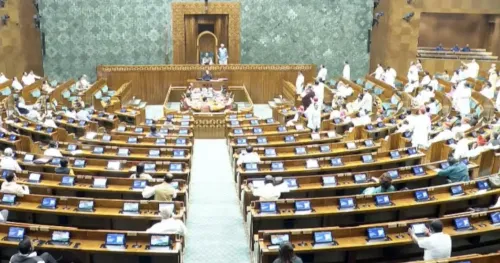
Chidambaram alleged the Bill was introduced at 1:30 pm and passed within five minutes — one of 12 Bills cleared in the Monsoon session.
He challenged the BJP's credentials, citing no documented evidence of the RSS , Hindu Mahasabha , or Jana Sangh singing Vande Mataram during the freedom movement.
The Congress Working Committee — with Gandhi, Nehru, Bose, Patel, Prasad, and Azad present — unanimously agreed to sing only the first two stanzas , on Tagore's advice.
Chidambaram also termed the Mines and Minerals (Development and Regulation) Amendment Bill, 2026 'mischievous'.
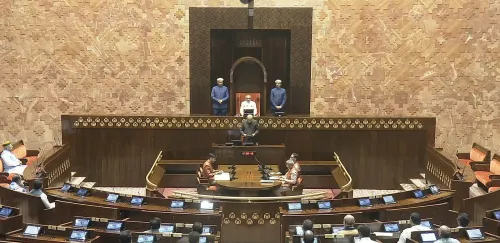
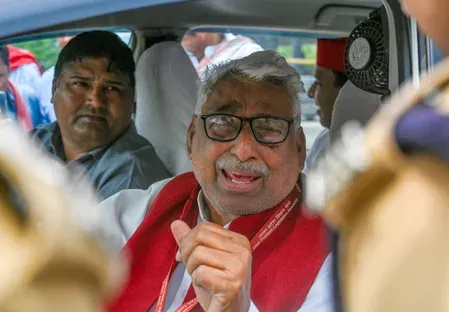
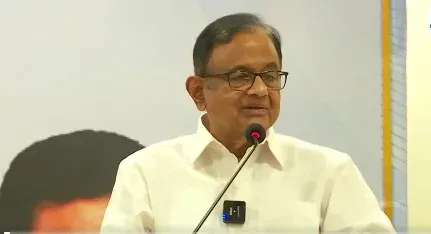
Senior Congress leader and former Union Minister P. Chidambaram on Saturday, 29 August sharply criticised the Bharatiya Janata Party (BJP)-led Centre over the Vande Mataram controversy, calling the debate and the legislation surrounding the national song 'unnecessary' and 'politically motivated'. Speaking at an event in Madurai on the Monsoon session of Parliament, Chidambaram accused the Union government of manufacturing a non-issue while quietly pushing through the Prevention of Insults to National Honour (Amendment) Bill, 2026.
What the Amendment Bill Proposes
The Amendment Bill seeks to extend Section 3 of the Prevention of Insults to National Honour Act, 1971 to cover Vande Mataram. It proposes penalties for anyone who intentionally prevents the singing of the national song or disrupts an assembly participating in it. The Bill was one of 12 pieces of legislation cleared during the Monsoon session. Chidambaram alleged it was introduced at 1:30 pm and approved within five minutes, leaving virtually no scope for parliamentary deliberation.
Chidambaram's Historical Challenge to the BJP
The Rajya Sabha MP questioned the BJP's ideological credentials on the issue, arguing there was no documented evidence of the Hindu Mahasabha, Rashtriya Swayamsevak Sangh (RSS), or Jana Sangh singing Vande Mataram during the freedom movement. He further alleged that the RSS had not hoisted the national flag at its Nagpur headquarters for decades after Independence, using the saffron flag instead. Chidambaram argued that the BJP's sudden emphasis on legally protecting Vande Mataram was therefore difficult to reconcile with this history.
The Song's Origins and the Congress Working Committee Decision
Tracing the history of the national song, Chidambaram noted that Vande Mataram gained wider popular recognition after Rabindranath Tagore sang it and Subramania Bharathi championed it across southern India. He pointed out that the song's first two stanzas praise the nation, while the remaining four invoke Hindu deities — a distinction that led to disagreements before Independence over which portion should be officially performed.
The Congress Working Committee, in deliberations attended by Mahatma Gandhi, Jawaharlal Nehru, Subhas Chandra Bose, Sardar Vallabhbhai Patel, Rajendra Prasad, and Maulana Abul Kalam Azad, unanimously resolved to sing only the first two stanzas. This decision, Chidambaram said, came after Tagore advised Nehru that those two stanzas were sufficient.
The Practical Concern
Chidambaram also raised a logistical point: singing all six stanzas of Vande Mataram takes approximately three minutes. When combined with Tamil Thai Vazhthu and the national anthem at public events, participants would be required to stand for nearly five minutes in total. He contended that few political workers could sing even the two recognised stanzas in full, and almost none knew the entire composition.
The Broader Political Context
Chidambaram also termed the Mines and Minerals (Development and Regulation) Amendment Bill, 2026 'mischievous', grouping it alongside the national honour legislation as examples of what he described as the government prioritising divisive optics over substantive policy. This comes amid a broader pattern of the Opposition accusing the ruling coalition of using cultural and nationalist symbols to deflect from governance debates during the Monsoon session. The controversy is unlikely to subside, with the Opposition expected to press the issue when Parliament reconvenes.
Point of View
Bose, and Patel, he forces the BJP to defend not just a bill but an interpretation of nationalist history. The allegation about the RSS and the saffron flag, if uncontested, shifts the debate from 'who supports Vande Mataram' to 'who actually has the longer record of doing so.' What mainstream coverage misses is the five-minute passage timeline: a bill amending a 1971 Act with criminal penalty provisions, cleared without meaningful debate, sets a troubling procedural precedent regardless of one's view on the underlying issue.
NationPress
14 Oct 2026
Frequently Asked Questions
What is the Prevention of Insults to National Honour (Amendment) Bill, 2026?
It is a bill passed during the 2026 Monsoon session of Parliament that extends Section 3 of the Prevention of Insults to National Honour Act, 1971 to cover Vande Mataram. It proposes penalties for anyone who intentionally prevents the singing of the national song or disrupts an assembly performing it.
Why did Chidambaram criticise the Vande Mataram amendment?
Chidambaram called the bill 'unnecessary' and 'politically motivated', arguing it manufactured a controversy rather than addressing a genuine national concern. He also alleged it was introduced at 1:30 pm and approved within five minutes, with little parliamentary deliberation.
What is the historical background of Vande Mataram's official status?
The Congress Working Committee, in deliberations attended by Gandhi, Nehru, Bose, Patel, Rajendra Prasad, and Maulana Abul Kalam Azad, unanimously decided before Independence to sing only the first two stanzas of Vande Mataram. Tagore had advised Nehru that the first two stanzas — which praise the nation without invoking Hindu deities — were sufficient.
What did Chidambaram say about the RSS and Vande Mataram?
Chidambaram alleged there is no documented evidence that the RSS, Hindu Mahasabha, or Jana Sangh sang Vande Mataram during the freedom movement, despite records from that period. He also alleged the RSS did not hoist the national flag at its Nagpur headquarters for decades after Independence, using the saffron flag instead.
Which other bill did Chidambaram call 'mischievous'?
Besides the Vande Mataram amendment, Chidambaram also termed the Mines and Minerals (Development and Regulation) Amendment Bill, 2026 'mischievous'. Both bills were among 12 pieces of legislation cleared during the Monsoon session of Parliament.