Vande Mataram protection bill tabled in Rajya Sabha, Left cries foul
Synopsis
The government's bid to give 'Vande Mataram' the same legal protection as the National Anthem ran into a wall in the Rajya Sabha on 24 July, with Left parties calling it an attempt to legislate patriotism. The House was adjourned until 27 July — the latest disruption in a Monsoon Session already rattled by the NEET row.
Key Takeaways
Minister of State for Home Affairs Nityanand Rai tabled the Prevention of Insults to National Honour (Amendment) Bill, 2026 in the Rajya Sabha on 24 July .
The bill seeks to make disrespect or obstruction of 'Vande Mataram' a punishable offence, on par with existing protections for the National Flag, Constitution, and National Anthem.
CPI(M) leader John Brittas filed a notice under Rule 67 opposing the bill's introduction, calling it unconstitutional.
Rahim and Santosh Kumar P. also submitted notices against the bill.
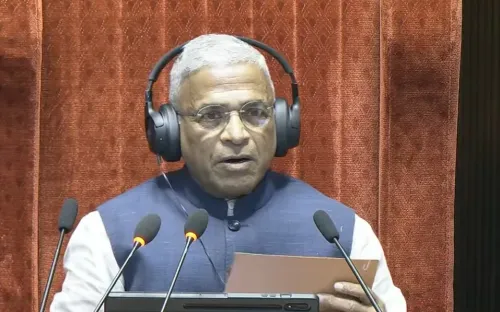
Deputy Chairman Harvansh Singh adjourned the House until 27 July after an uproar over the bill's introduction.
The bill arrives on the fifth day of the Monsoon Session , which has already been disrupted by the NEET paper leak controversy.
The Prevention of Insults to National Honour (Amendment) Bill, 2026, which seeks to extend legal protection to the National Song 'Vande Mataram', was tabled in the Rajya Sabha on 24 July by Minister of State for Home Affairs Nityanand Rai, triggering sharp protests from Left parties and forcing the adjournment of the House until 27 July. The bill proposes penal provisions for acts of disrespect or obstruction of the singing of 'Vande Mataram' — provisions currently reserved for the National Flag, the Constitution, and the National Anthem under the Prevention of Insults to National Honour Act, 1971.
What the Bill Proposes
Under the existing 1971 Act, acts of disrespect towards the National Flag, the Constitution, and the National Anthem attract imprisonment of up to three years. The proposed amendment would bring 'Vande Mataram' under the same legal umbrella, making any act that obstructs its singing or insults it in any manner a punishable offence. Rai defended the move by citing the Constituent Assembly's decision to accord equal status to the National Song and the National Anthem, noting that 'Vande Mataram' has held this recognition since 24 January 1950.
Left's Sharp Objections
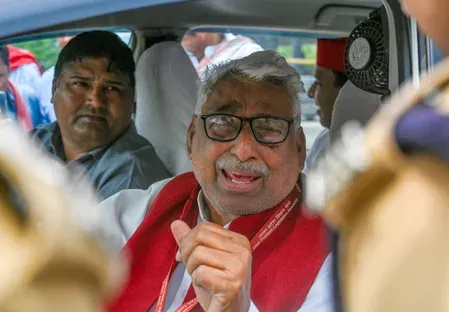
Rajya Sabha member and Communist Party of India (Marxist) group leader John Brittas filed a notice under Rule 67 opposing the bill's introduction. 'They cannot manufacture patriotism and nationalism through a piece of legislation,' Brittas asserted. Notices opposing the bill were also submitted by A. Rahim and Santosh Kumar P. of the Communist Party of India (CPI). Santosh Kumar P. argued the bill was introduced to distract public attention from the ongoing student movement, adding, 'Vande Mataram unites us, not divides us.' The CPI(M) has formally described the legislation as unconstitutional and a violation of fundamental rights, contending that enforcing patriotism through punitive measures undermines democratic values and individual freedoms.
Uproar and Adjournment
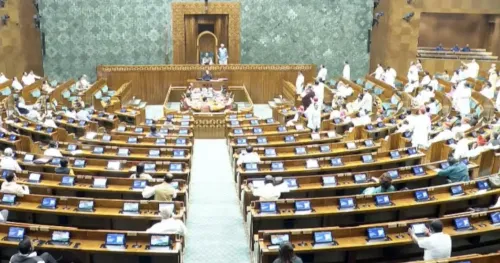
The introduction of the bill immediately sparked an uproar on the floor of the House. With the Opposition showing no signs of relenting, Deputy Chairman Harvansh Singh adjourned proceedings until 27 July. The development marks the latest disruption of the ongoing Monsoon Session, which has already been repeatedly stalled over issues including the NEET paper leak controversy. This is the fifth day of the session.
Political Context and What Comes Next
The government is expected to seek fresh consensus-building efforts when the House reconvenes. However, the firm resistance from Left parties and broader Opposition groups signals a potentially turbulent path for the bill through Parliament. Notably, the debate over legal protection for 'Vande Mataram' is not new — the song's status relative to the National Anthem has been a recurring flashpoint in Indian political discourse. Critics argue that legislating compelled reverence risks conflating legal obligation with cultural sentiment, while proponents maintain that equal constitutional recognition demands equal legal safeguards.
Point of View
Which the CPI has made explicitly. The deeper tension is one the bill does not resolve: there is a meaningful difference between honouring a cultural symbol and criminalising its non-observance. India's courts have historically been wary of compelled expression, and the CPI(M)'s fundamental-rights argument is not frivolous. Whether the government has the numbers and the political will to push this through — or whether it is content with the optics of tabling it — will become clear when the House reconvenes on 27 July.
NationPress
22 Oct 2026
Frequently Asked Questions
What is the Prevention of Insults to National Honour (Amendment) Bill, 2026?
It is a proposed amendment to the Prevention of Insults to National Honour Act, 1971, tabled in the Rajya Sabha on 24 July 2026 by Minister of State for Home Affairs Nityanand Rai. The bill seeks to extend the same legal protections currently afforded to the National Flag, the Constitution, and the National Anthem to the National Song 'Vande Mataram', making any act of disrespect or obstruction of its singing a punishable offence.
Why are Left parties opposing the Vande Mataram protection bill?
The CPI(M) has described the bill as unconstitutional and a violation of fundamental rights, arguing that patriotism cannot be enforced through punitive legislation. CPI members have also alleged the bill is designed to distract public attention from the ongoing student movement and the NEET paper leak controversy.
What punishment does the bill propose for insulting Vande Mataram?
The bill proposes bringing 'Vande Mataram' under the same penal framework as the National Flag, Constitution, and National Anthem, under which acts of disrespect attract imprisonment of up to three years. Any act that obstructs the singing of 'Vande Mataram' or insults it in any manner would be covered.
Why did the Rajya Sabha adjourn on 24 July?
The introduction of the Vande Mataram amendment bill triggered an uproar from Left and Opposition members, with several filing formal notices opposing it. With no signs of the Opposition relenting, Deputy Chairman Harvansh Singh adjourned proceedings until 27 July.
What is the government's justification for the bill?
Minister of State Nityanand Rai cited the Constituent Assembly's decision to accord equal status to 'Vande Mataram' and the National Anthem, noting the song has held this recognition since 24 January 1950. The government argues the amendment simply aligns legal safeguards with that constitutional recognition.