Vande Mataram Bill passed: Parliament grants national song legal parity with anthem

Synopsis
For the first time since Independence, Vande Mataram has legal protection equal to the National Anthem. Parliament's passage of the Prevention of Insults to National Honour (Amendment) Bill, 2026 closes a 75-year legal gap — and makes deliberate insult to the national song a jailable offence carrying up to three years in prison.
Key Takeaways
Parliament passed The Prevention of Insults to National Honour (Amendment) Bill, 2026 on 30 July , with the Lok Sabha approving it by voice vote.
Vande Mataram now receives the same statutory protection as the National Anthem under the amended 1971 Act .
Intentional disruption or insult to the national song can attract imprisonment of up to three years , a fine, or both.
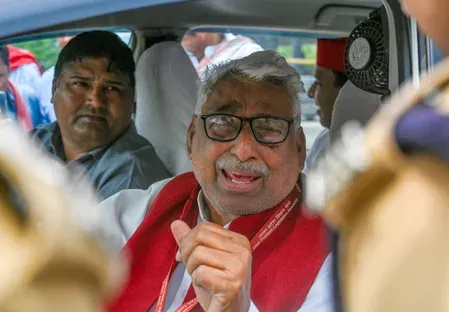
Bihar Chief Minister Samrat Choudhary welcomed the Bill, calling it 'a historic step towards strengthening India's cultural heritage.' The Bill awaits President's assent before becoming enforceable law.
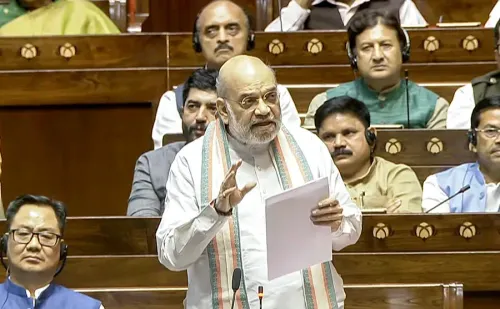
The Rajya Sabha had passed the legislation on Wednesday ; the Lok Sabha vote was marked by Opposition protests.
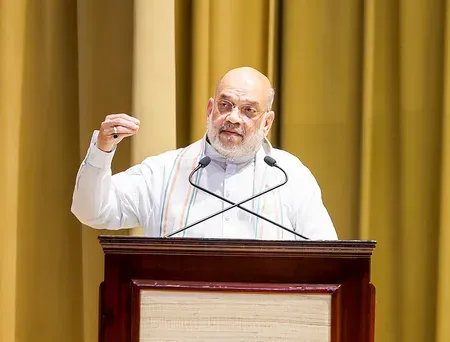
Parliament on Thursday, 30 July passed The Prevention of Insults to National Honour (Amendment) Bill, 2026, extending the same legal protection enjoyed by the National Anthem to Vande Mataram, India's national song. The Lok Sabha approved the Bill by a voice vote, a day after the Rajya Sabha cleared it on Wednesday, amid protests and disruptions from Opposition members. The legislation now awaits the President's assent before becoming law.
What the Amendment Changes
The Bill amends the Prevention of Insults to National Honour Act, 1971, which previously covered the National Flag, the Constitution of India, and the National Anthem. Under the amended law, Vande Mataram is brought under the same protective framework, making it a punishable offence to intentionally obstruct or disrupt the singing of the national song or to deliberately insult it.
Offenders may face imprisonment of up to three years, a fine, or both — penalties that mirror those already applicable to insults directed at the National Anthem.
Bihar CM Welcomes the Legislation
Bihar Chief Minister Samrat Choudhary was among the first state leaders to publicly welcome the development. In a post on his official X account on Thursday, he said: 'Vande Mataram is not just a national song but an inspiration for India's freedom struggle and an immortal symbol of national spirit.'
Chief Minister Choudhary described the passage of the Bill as 'a historic step towards strengthening India's cultural heritage and national honour,' and credited the move to the leadership of Prime Minister Narendra Modi. He added that the decision would 'strengthen respect for our national symbols and further reinforce the spirit of patriotism among future generations.'
Context and Background
Vande Mataram, composed by Bankim Chandra Chattopadhyay in the 19th century, served as a rallying cry during India's independence movement and was adopted as the national song after Independence. Despite its historic stature, it had until now occupied a legally unprotected position compared to the National Anthem — Jana Gana Mana — which has carried statutory protection since 1971.
The Bill was introduced during the Monsoon Session of Parliament, and its passage marks what the government characterises as a correction of that legal asymmetry. Notably, the Lok Sabha vote was accompanied by Opposition protests, though the specific grounds of their objection were not detailed in official records at the time of passage.
What Happens Next
The Bill will formally become law upon receiving the President's assent. Once enacted, enforcement will fall under the amended 1971 Act, with courts empowered to try cases of deliberate insult or disruption. Legal experts are expected to weigh in on the practical scope of 'intentional' disruption — a term whose interpretation may shape early prosecutions under the new provisions.
Point of View
And the threshold for 'intentional' insult remains legally ambiguous. Opposition disruptions during the Lok Sabha vote signal that the Bill's political valence is as significant as its legal one — critics may argue it opens the door to selective prosecution. The real measure of this legislation will not be its passage but how its penal provisions are applied in the months ahead.
NationPress
14 Sept 2026
Frequently Asked Questions
What is the Vande Mataram Bill passed by Parliament in 2026?
It is an amendment to the Prevention of Insults to National Honour Act, 1971, passed by Parliament on 30 July 2026, that extends the same legal protection to Vande Mataram as that already accorded to the National Anthem. The Bill was cleared by the Rajya Sabha on Wednesday and the Lok Sabha on Thursday.
What punishment does the new law prescribe for insulting Vande Mataram?
Under the amended law, anyone who intentionally obstructs or disrupts the singing of Vande Mataram, or deliberately insults it, may face imprisonment of up to three years, a fine, or both. These penalties mirror those applicable to insults directed at the National Anthem.
When will the Vande Mataram Bill become law?
The Bill will become law after it receives the President's assent, which is the final step following its passage in both Houses of Parliament. No date for the assent has been officially announced.
Why did the Opposition protest during the Lok Sabha vote?
Opposition members staged protests and caused disruptions during the Lok Sabha's consideration of the Bill, though the specific grounds of their objection were not formally detailed in official records at the time of passage. The Bill was ultimately approved by a voice vote.
How does Bihar CM Samrat Choudhary view the Vande Mataram Bill?
Bihar Chief Minister Samrat Choudhary welcomed the legislation in a post on his official X account, describing it as 'a historic step towards strengthening India's cultural heritage and national honour.' He credited the move to the leadership of Prime Minister Narendra Modi.