Vande Mataram Bill 2026 passed in Rajya Sabha: 3-year jail for insult
Synopsis
For the first time since 1971, Vande Mataram has full statutory protection. The Rajya Sabha's passage of the Prevention of Insults to National Honour (Amendment) Bill, 2026 — amid an Opposition walkout — makes insulting or obstructing the national song a criminal offence carrying up to three years in jail, timed precisely to the song's 150th anniversary.
Key Takeaways
The Rajya Sabha passed the Prevention of Insults to National Honour (Amendment) Bill, 2026 on 29 July 2026 .
Intentionally insulting or obstructing Vande Mataram now carries a maximum sentence of three years in prison, a fine, or both.
The amendment extends the same legal protection already granted to the National Flag , the Constitution , and the National Anthem under the 1971 Act .
The Bill also mandates the singing of all six stanzas of Vande Mataram at official events.
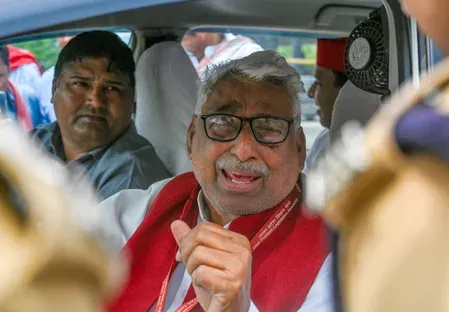
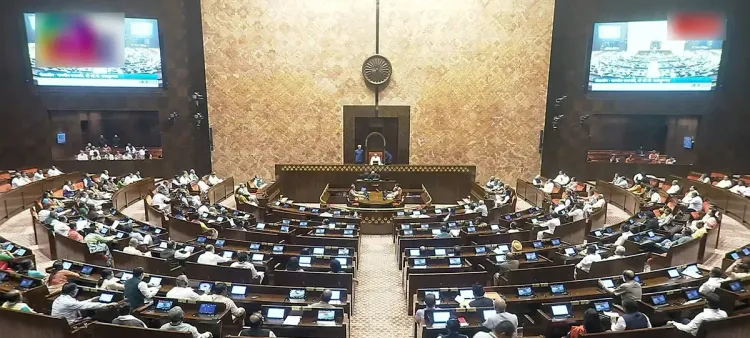
Opposition members staged a walkout during the passage of the Bill.
The legislation coincides with the 150th anniversary of the composition of Vande Mataram by Bankim Chandra Chattopadhyay .
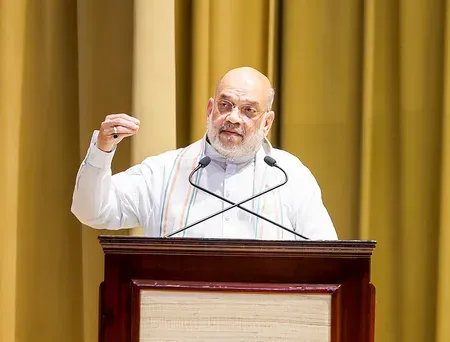
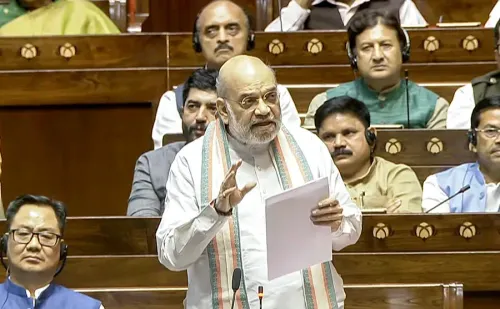
The Rajya Sabha on Wednesday, 29 July 2026, passed the Prevention of Insults to National Honour (Amendment) Bill, 2026, extending full legal protection to Vande Mataram — India's national song — for the first time since the parent Act was enacted in 1971. The legislation makes the intentional insult of Vande Mataram or the deliberate obstruction of its rendition a criminal offence punishable by up to three years in prison, a fine, or both.
What the Amendment Changes
Until now, the Prevention of Insults to National Honour Act, 1971 shielded the National Flag, the Constitution, and the National Anthem ('Jana Gana Mana') from deliberate acts of disrespect. The 2026 amendment places Vande Mataram on equal legal footing with these symbols, closing a gap that critics had long flagged.
The amendment covers three specific categories of offences: deliberately insulting Vande Mataram, intentionally preventing or obstructing its singing, and any other act deemed contrary to the honour of the national song. The legislation also emphasises the singing of all six stanzas of the song in its complete form.
The Home Ministry Directive That Preceded It
The Bill follows a recent Home Ministry directive requiring states to play or sing Vande Mataram at official events — particularly those where the national anthem is also performed. The directive specified that 'when the national song and the national anthem are sung or played, the national song will be sung or played first' and that it must be rendered while standing at attention. The legislative amendment now gives that administrative order a statutory backbone.
Historical and Symbolic Context
Composed by Bankim Chandra Chattopadhyay and later woven into his novel Anandamath, Vande Mataram emerged as a rallying cry of national consciousness during India's freedom struggle. The Constituent Assembly accorded it equal status with the National Anthem in 1950. The Bill's passage comes as the country marks the 150th anniversary of the song's composition, a milestone the government cited as further reason to reinforce its legal standing.
Opposition Walkout and Legal Grey Areas
The Bill was cleared amid protests and a walkout by Opposition members. While the government has framed the amendment as a step to uphold national honour, the legislation is expected to invite sustained legal scrutiny. Questions are likely to centre on how courts will distinguish between a deliberate act of disruption and an individual's personal choice not to participate in the singing — a distinction the Bill does not explicitly address. Critics argue that without precise statutory definitions of 'insult' and 'obstruction', the law could be open to selective application.
What Happens Next
Having cleared the Upper House, the Bill will now proceed through the remaining legislative stages before receiving presidential assent. Legal experts and civil liberties groups are expected to scrutinise the final text closely, particularly around enforcement guidelines. The government maintains that the amendment is a necessary safeguard for a symbol that anchored India's independence movement for decades.
Point of View
Yet lacked the statutory teeth that protected the Flag and the Anthem. The timing, pegged to the 150th anniversary, is deliberate political choreography. The harder question the government has left unanswered is definitional: where does non-participation end and criminal obstruction begin? That gap is not a drafting oversight — it is a pressure point, and courts will be forced to draw the line that Parliament chose not to. The Opposition walkout signals that this law will be contested not just in courtrooms but on the campaign trail.
NationPress
28 Oct 2026
Frequently Asked Questions
What is the Prevention of Insults to National Honour (Amendment) Bill, 2026?
It is a parliamentary amendment passed by the Rajya Sabha on 29 July 2026 that extends legal protection to Vande Mataram, India's national song. The Bill makes intentional insult or deliberate obstruction of Vande Mataram a criminal offence punishable by up to three years in prison, a fine, or both.
What punishment does the Vande Mataram Bill prescribe?
The Bill prescribes a maximum imprisonment of three years, a fine, or both for anyone found guilty of deliberately insulting Vande Mataram or intentionally obstructing its rendition. The offence must be intentional for criminal liability to apply.
Why was the Vande Mataram Amendment Bill introduced now?
The government cited two reasons: the need to place Vande Mataram on equal legal footing with other national symbols already protected under the 1971 Act, and the ongoing national celebrations marking the 150th anniversary of the song's composition by Bankim Chandra Chattopadhyay.
What national symbols were already protected before this amendment?
The Prevention of Insults to National Honour Act, 1971 already protected the National Flag, the Constitution, and the National Anthem ('Jana Gana Mana'). The 2026 amendment adds Vande Mataram to this list.
Why did the Opposition walk out during the passage of the Bill?
Opposition members staged a walkout in protest against the Bill, though the specific grounds were not detailed in the government's statements. Critics have raised concerns about the lack of clear statutory definitions for 'insult' and 'obstruction', warning the law could be misused against individuals who choose not to participate in the singing.