Rajya Sabha passes Vande Mataram insult bill, opposition walks out
Synopsis
The Rajya Sabha has criminalised deliberate insults to Vande Mataram, placing India's National Song on the same legal footing as the National Anthem for the first time since the 1971 Act. The opposition walked out rather than vote — a political signal as loud as the legislation itself.
Key Takeaways
The Rajya Sabha passed the Prevention of Insults to National Honour (Amendment) Bill, 2026 on 29 July 2026 .
The Bill makes deliberate insult of 'Vande Mataram' a punishable criminal offence, on par with the National Anthem .
Opposition members, including from Congress , CPI(M) , and AAP , walked out in protest before the vote.
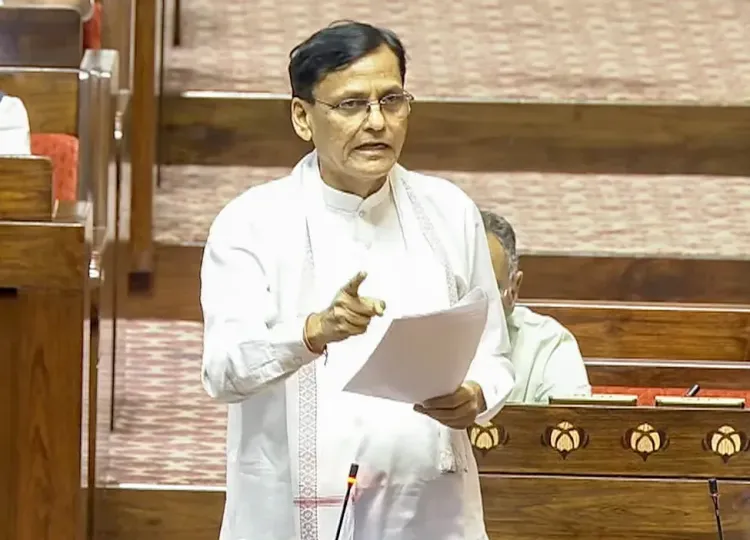
Minister of State for Home Affairs Nityanand Rai cited Dr Rajendra Prasad's 1950 Constituent Assembly statement according equal status to Vande Mataram and the National Anthem.
The Bill now heads to the Lok Sabha for passage before it can become law.
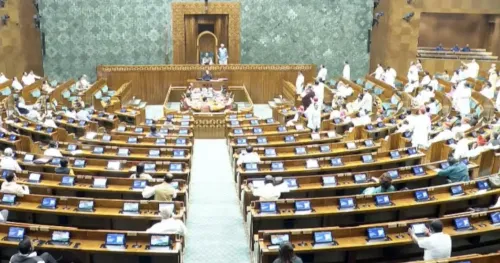
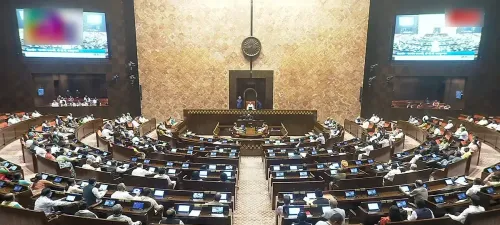
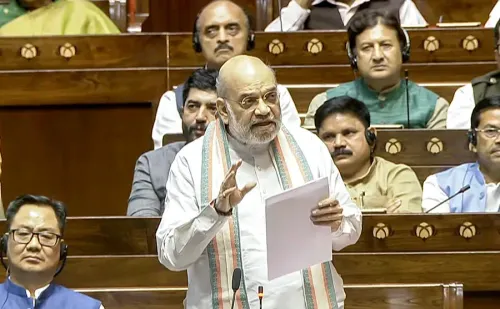
The Rajya Sabha on Wednesday, 29 July 2026 passed the Prevention of Insults to National Honour (Amendment) Bill, 2026, making the deliberate insult of the National Song 'Vande Mataram' a punishable criminal offence — placing it on equal legal footing with existing protections for the National Anthem and other national symbols. The Bill cleared the Upper House after a heated debate marked by opposition sloganeering and a walkout.
Key Developments in the House
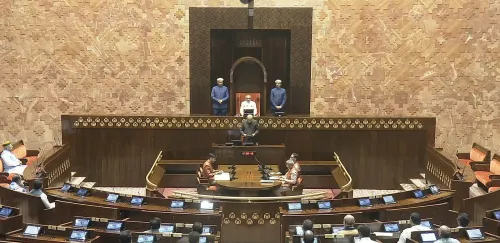
The session saw multiple adjournments before proceedings resumed under Deputy Chairman Harvansh Narayan Singh, who repeatedly urged members to maintain order and confine remarks to the Bill. Members including John Brittas of the Communist Party of India (Marxist) (CPI(M)) and Pramod Tiwari of the Indian National Congress (Congress) raised points of order, but the Deputy Chairman declined to admit them, stating the House was not in order.
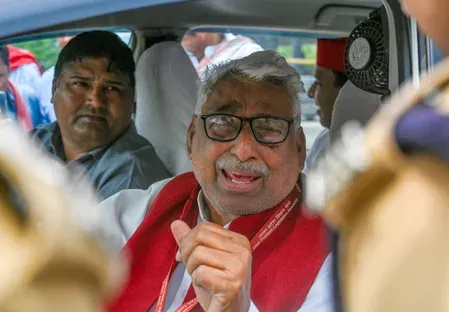
Opposition members persisted in demanding the presence of Union Home Minister Amit Shah on the floor, with sustained sloganeering drowning out other speakers. They subsequently walked out in protest before the final vote. The Bill was passed after the walkout.
What the Government Said
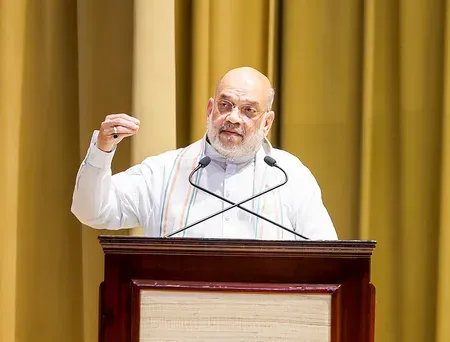
Minister of State for Home Affairs Nityanand Rai, replying to the debate, said every amendment reflects the country's collective commitment to India's soul, national consciousness, cultural ethos, and the ideals of the freedom struggle. He traced the historical arc of 'Vande Mataram' — composed by Bankim Chandra Chatterjee in 1875, sung by Rabindranath Tagore at the 1896 Congress session, and rendered in full by Sarala Devi Chaudhurani in Varanasi in 1905.
Rai recalled that the original Prevention of Insults to National Honour Act was enacted in 1971 to protect national symbols, and argued the amendment logically extends that framework to Vande Mataram. He also cited Dr Rajendra Prasad's statement in the Constituent Assembly on 24 January 1950, which accorded equal status to Vande Mataram and the National Anthem, and noted that Sardar Vallabhbhai Patel had initiated the full rendition of the song on All India Radio on Independence Day 1947.
Rai criticised the 1937 decision under Jawaharlal Nehru's Congress presidency to restrict the song to two stanzas, while highlighting Subhash Chandra Bose's efforts in 1938 to commission a complete musical arrangement. He argued that opposition to the Bill amounted to disregarding the views of national leaders and constituted appeasement, adding that freedom fighters including Chandrashekhar Azad, Ram Prasad Bismil, Ashfaqulla Khan, and Khudiram Bose had chanted Vande Mataram in their final moments.
Opposition Arguments
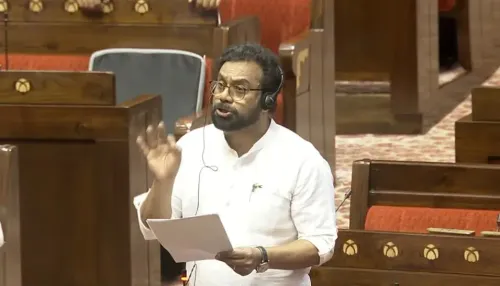
Sanjay Singh of the Aam Aadmi Party (AAP) opposed the Bill, alleging that it was moved by a party whose parent organisation had not hoisted or unfurled the National Flag at its headquarters. Other members from the Dravida Munnetra Kazhagam (DMK), the Rashtriya Janata Dal (RJD), and the Bharat Rashtra Samithi (BRS), among others, also spoke during the debate, with several raising concerns about the scope and intent of the legislation.
Broader Legislative Context
Rai linked the Bill to Prime Minister Narendra Modi's 'Ek Bharat, Shreshtha Bharat' vision and described it as a measure that transcends politics, guided by Home Minister Amit Shah and reflecting the sentiments of the people of India. This comes amid a broader legislative push by the ruling Bharatiya Janata Party (BJP) to codify protections for national symbols and cultural identity markers. The amendment, if enacted, would extend criminal liability to those found to have deliberately insulted Vande Mataram, mirroring penalties already in place for insults to the National Anthem under the 1971 Act.
The Bill now moves to the Lok Sabha, where the government holds a comfortable majority, before it can become law.
Point of View
Rather than a floor fight, hands the BJP a clean narrative win — critics left the field rather than defending their position on the record. The real test will come in implementation: who defines 'deliberate insult', and whether the provision is applied uniformly or selectively, will determine whether this law protects a national symbol or becomes a tool for political targeting.
NationPress
28 Oct 2026
Frequently Asked Questions
What is the Prevention of Insults to National Honour (Amendment) Bill, 2026?
It is a legislation passed by the Rajya Sabha on 29 July 2026 that makes the deliberate insult of 'Vande Mataram', India's National Song, a punishable criminal offence. The amendment extends protections already in place for the National Anthem and other national symbols under the original 1971 Act.
Why did the opposition walk out of the Rajya Sabha during the debate?
Opposition members, including those from Congress, CPI(M), and AAP, walked out in protest after the Deputy Chairman declined to admit their points of order and their demand for the presence of Home Minister Amit Shah on the floor was not met. Several members had raised objections to the Bill before the walkout.
What is the historical basis cited by the government for this Bill?
Minister of State Nityanand Rai cited Dr Rajendra Prasad's statement in the Constituent Assembly on 24 January 1950, which accorded equal status to Vande Mataram and the National Anthem. He also referenced the song's composition by Bankim Chandra Chatterjee in 1875 and its role in the freedom movement.
What happens next after the Rajya Sabha passed the Bill?
The Bill must now be passed by the Lok Sabha before it can be sent for Presidential assent and enacted into law. The ruling BJP holds a majority in the Lok Sabha, making passage likely.
Who opposed the Bill and on what grounds?
Members from AAP, Congress, CPI(M), DMK, RJD, and BRS opposed or raised concerns about the Bill. AAP's Sanjay Singh alleged the Bill was moved by a party whose parent organisation had not hoisted the National Flag at its headquarters. Others raised points of order that were not admitted by the Deputy Chairman.