Vande Mataram Bill passed in Lok Sabha: insulting national song now a criminal offence
Synopsis
For the first time since Independence, insulting India's National Song will be a criminal offence. The Lok Sabha passed the Vande Mataram Bill on 30 July 2026 — ending a 76-year legal gap between the National Anthem and the National Song — but not without sharp Opposition accusations of polarisation and undemocratic haste.
Key Takeaways
The Lok Sabha passed the Prevention of Insults to National Honour (Amendment) Bill, 2026 on 30 July 2026 via voice vote.
The Rajya Sabha approved the Bill on 29 July 2026 ; it now awaits the President's assent .
Once enacted, intentional disruption or prevention of singing Vande Mataram will become a punishable criminal offence .
DMK MP Kanimozhi called the Bill 'undemocratic' and accused the government of pursuing a divisive agenda.
MoS Home Affairs Nityanand Rai said the legislation corrects a decades-old gap, placing Vande Mataram on par with the National Anthem legally.
House proceedings were disrupted by Opposition protests over NEET paper leak -related police action, running parallel to the Bill's debate.
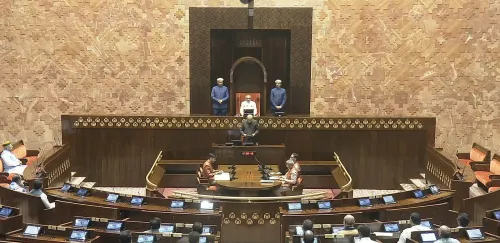
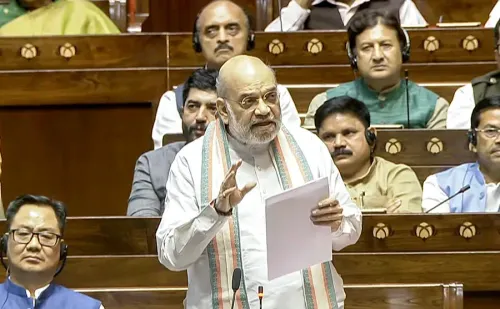
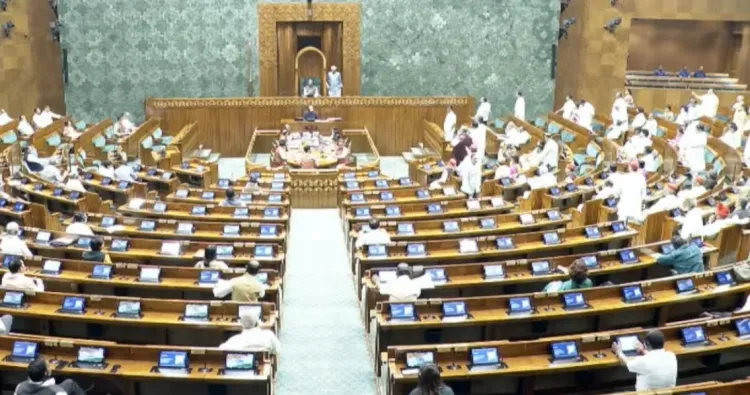
The Lok Sabha on Thursday, 30 July 2026 cleared the Prevention of Insults to National Honour (Amendment) Bill, 2026 — widely referred to as the Vande Mataram Bill — through a voice vote, amid continued Opposition protests and a brief but charged debate. The legislation places the National Song, Vande Mataram, on equal legal footing with the National Anthem, Jana Gana Mana, making intentional disruption or prevention of its singing a punishable criminal offence.
The Rajya Sabha had already approved the Bill on Wednesday, 29 July. It now awaits the President's assent before becoming law.
What the Bill Provides
Once enacted, any deliberate act to disrupt, prevent, or insult the singing of Vande Mataram will invite legal action under the amended Prevention of Insults to National Honour Act. The amendment effectively extends the same statutory protection that the National Anthem has long enjoyed to the National Song — a distinction that has existed in law for over seven decades since Independence.
What the Government Said
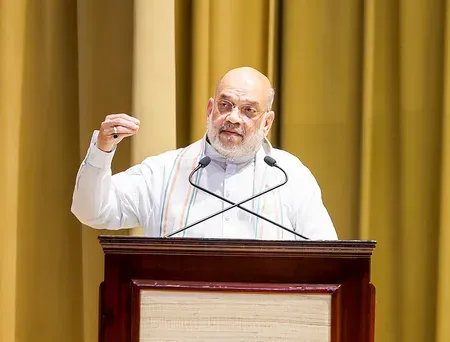
Minister of State for Home Affairs Nityanand Rai defended the Bill, asserting that the Congress leadership under Jawaharlal Nehru had adopted a truncated version of Vande Mataram to further what he described as a politics of appeasement. Rai argued that a course correction on the national song was long overdue, adding that Vande Mataram is a matter of national pride and will give strong impetus to the vision of 'Ek Bharat, Shrestha Bharat'.
Bharatiya Janata Party (BJP) MP Sambit Patra strongly backed the legislation, saying Parliament had already held marathon debates on the national song and the Bill merely formalises legal protection for it. Hitting out at the Gandhi family, Patra noted that seven decades had passed since Independence without legal sanctity for Vande Mataram.
Opposition Pushback
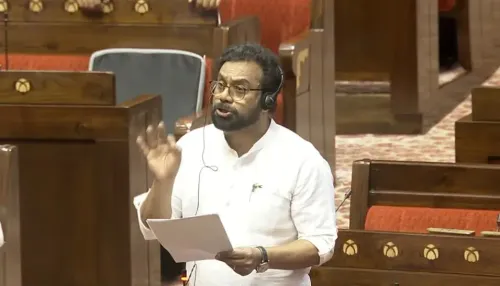
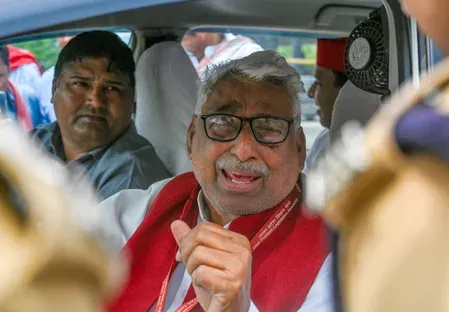
The Dravida Munnetra Kazhagam (DMK) voiced the sharpest opposition, calling the Bill an imposition on citizens against their will and an attempt to polarise the national atmosphere. DMK MP Kanimozhi argued that the country's founding leaders had the wisdom to adopt only two stanzas of the national song, and accused the Union government of weaponising legislation to further a divisive agenda.
'DMK opposes the Bill. It is undemocratic, it is against Parliamentary traditions to pass the Bill in this din. You must listen to the voice of people, listen to all the stakeholders,' she said on the floor of the House.
House proceedings were also disrupted by broader Opposition protests demanding government accountability over alleged police excesses during student agitations linked to the NEET paper leak controversy — a parallel flashpoint that coloured the debate's atmosphere.
Context and What Comes Next
The legal gap between the National Anthem and the National Song has been a recurring point of political contention since the Constituent Assembly debates of the late 1940s. Vande Mataram, composed by Bankim Chandra Chattopadhyay, was adopted as the National Song in 1950, but unlike Jana Gana Mana, it was never brought under the Prevention of Insults to National Honour Act — until now.
Notably, this is the first time in independent India's history that criminal liability has been proposed for insults specifically targeting Vande Mataram. Critics argue the law's implementation will hinge on how 'intentional disruption' is defined and adjudicated, raising civil liberties questions that are likely to be tested in court.
With the President's assent expected shortly, the government will then need to notify implementing rules. Legal challenges from Opposition-ruled states cannot be ruled out, given the DMK's stated position.
Point of View
Amid Opposition din and without a full-throated debate on implementation safeguards, is a political choice, not a procedural inevitability. The DMK's objection is not merely symbolic: southern states have historically had a more contested relationship with Vande Mataram, and a criminal statute with ambiguous 'intentional disruption' thresholds will almost certainly face judicial challenge. The government has the numbers to pass the Bill; the harder test is whether it has the institutional framework to enforce it without turning every cultural dispute into a criminal case.
NationPress
14 Sept 2026
Frequently Asked Questions
What is the Vande Mataram Bill passed in Lok Sabha?
The Prevention of Insults to National Honour (Amendment) Bill, 2026 — the Vande Mataram Bill — was passed by the Lok Sabha on 30 July 2026. It amends existing law to extend the same legal protection that the National Anthem enjoys to the National Song, Vande Mataram, making intentional insult or disruption of its singing a criminal offence.
What happens after the Lok Sabha passed the Vande Mataram Bill?
The Bill was already cleared by the Rajya Sabha on 29 July 2026 and now awaits the President's assent to become law. Once signed, the government will notify implementing rules that define enforcement procedures.
Why did the DMK oppose the Vande Mataram Bill?
DMK MP Kanimozhi argued the Bill is being imposed on citizens against their will and is an attempt to polarise the national atmosphere. The party also objected to the legislation being passed amid Opposition protests, calling it undemocratic and contrary to Parliamentary traditions.
What offence does the Vande Mataram Bill create?
Any intentional act to disrupt, prevent, or insult the singing of Vande Mataram will become a punishable offence under the amended Prevention of Insults to National Honour Act. The law mirrors existing provisions that protect the National Anthem, Jana Gana Mana.
How long has Vande Mataram lacked legal protection?
Vande Mataram was adopted as India's National Song in 1950, but unlike the National Anthem, it was never brought under the Prevention of Insults to National Honour Act — a legal gap of over 76 years that the 2026 amendment seeks to close.