Amit Shah to table Vande Mataram protection bill in Rajya Sabha today
Synopsis
For the first time since 1971, India's Prevention of Insults to National Honour Act may be amended to give Vande Mataram the same criminal-law protection as the National Anthem — with up to three years in prison for anyone who insults or obstructs the National Song. Home Minister Amit Shah tables the bill on the very first day of the Monsoon Session, days after the MHA ordered states to play Vande Mataram before Jana Gana Mana at official functions.
Key Takeaways
Home Minister Amit Shah is set to introduce the Prevention of Insults to National Honour (Amendment) Bill, 2026 in the Rajya Sabha on 20 July 2026 .
The Bill proposes to extend criminal protection to Vande Mataram , placing it on par with the National Anthem, Jana Gana Mana , under the Prevention of Insults to National Honour Act, 1971 .
Insulting, disrupting, or obstructing the singing of Vande Mataram would carry a maximum sentence of three years in prison if the Bill is enacted.
The MHA had on 9 July directed all states to ensure Vande Mataram is played before Jana Gana Mana at official government functions.
The Bill must clear both Houses of Parliament and receive Presidential assent before becoming law.
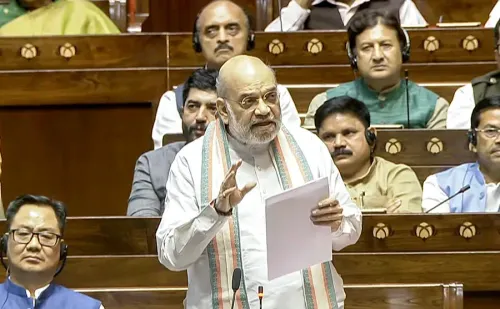
Home Minister Amit Shah is set to introduce the Prevention of Insults to National Honour (Amendment) Bill, 2026 in the Rajya Sabha on Monday, 20 July, the opening day of the Monsoon Session of Parliament. The proposed legislation seeks to extend the same statutory criminal protection that currently covers the National Anthem, Jana Gana Mana, to the National Song, Vande Mataram.
What the Bill Proposes
The amendment targets the Prevention of Insults to National Honour Act, 1971, which already criminalises acts of disrespect towards the National Flag, the Constitution, and the National Anthem. Under the existing law, anyone found guilty of intentionally preventing the singing of the National Anthem, or causing a disturbance during its rendition, faces imprisonment of up to three years.
If passed by both Houses and assented to by the President, the amendment will bring Vande Mataram under the same legal framework. Any person who intentionally prevents, disrupts, or obstructs the singing of the National Song — or disturbs a gathering engaged in its rendition — would face a maximum sentence of three years in prison, identical to the penalty for offences involving the National Anthem.
The Gap the Bill Aims to Close
While Vande Mataram has long held recognition as India's National Song, it has not been accorded the same level of statutory protection under the 1971 Act. The proposed amendment seeks to correct that asymmetry, giving the National Song formal legal parity with the National Anthem for the first time.
Recent Government Directives
The legislative move follows a directive issued by the Union Ministry of Home Affairs (MHA) on 9 July, instructing all states to ensure strict compliance with its order that Vande Mataram be played before Jana Gana Mana whenever both are performed at official government functions. The Bill's introduction in the Rajya Sabha on the first day of the Monsoon Session signals that the Centre is treating the matter as a legislative priority.
What Happens Next
The Bill is listed in the Rajya Sabha's agenda for Monday. It must clear both Houses of Parliament before proceeding to the President for assent. If enacted, it will mark the first significant amendment to the Prevention of Insults to National Honour Act in decades, and will place Vande Mataram on equal statutory footing with the National Anthem under Indian law.
Point of View
And that extending criminal liability to the National Song raises questions about the threshold for 'intentional insult' — a standard that courts have historically found difficult to apply consistently. The real test will be whether Parliament subjects the Bill to committee scrutiny or fast-tracks it, since the definition of 'disruption' will determine how the law is enforced in practice.
NationPress
20 Oct 2026
Frequently Asked Questions
What is the Prevention of Insults to National Honour (Amendment) Bill, 2026?
It is a proposed amendment to the Prevention of Insults to National Honour Act, 1971, introduced by Home Minister Amit Shah in the Rajya Sabha on 20 July 2026. The Bill seeks to extend the same criminal protection currently given to the National Anthem, Jana Gana Mana, to the National Song, Vande Mataram, making its intentional insult or disruption punishable by up to three years in prison.
What punishment does the Bill prescribe for insulting Vande Mataram?
Under the proposed amendment, anyone who intentionally prevents, disrupts, or obstructs the singing of Vande Mataram — or disturbs a gathering engaged in its rendition — would face a maximum sentence of three years in prison, the same penalty that currently applies to offences involving the National Anthem.
Why does Vande Mataram not already have this protection?
While Vande Mataram has long been recognised as India's National Song, the Prevention of Insults to National Honour Act, 1971 extended criminal protection only to the National Flag, the Constitution, and the National Anthem. The new Bill seeks to close this statutory gap by formally including the National Song.
What did the MHA direct states to do ahead of this Bill?
On 9 July 2026, the Union Ministry of Home Affairs directed all states to ensure strict compliance with its order that Vande Mataram be played before Jana Gana Mana whenever both are performed at official government functions. The Bill's introduction follows that directive by less than two weeks.
What happens next after the Bill is introduced in the Rajya Sabha?
After introduction, the Bill must be debated and passed by the Rajya Sabha, then cleared by the Lok Sabha, before being sent to the President for assent. Only after Presidential assent does it become law and take effect across India.