Chirag Paswan Chairs DISHA Review in Hajipur, Warns of Zero Tolerance on Scheme Delays
Synopsis
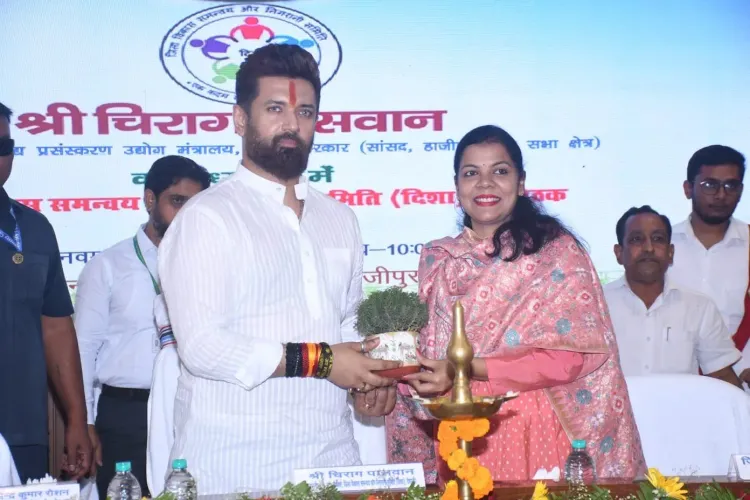
Union Minister Chirag Paswan chaired the DISHA review meeting for Vaishali district in Hajipur on November 3, directing officials to ensure transparent, time-bound delivery of PM Awas Yojana, Ayushman Bharat, Ujjwala Yojana, and social security pensions, with zero tolerance for negligence or delay.
Key Takeaways
Chirag Paswan chaired the DISHA meeting for Vaishali district in Hajipur on November 3, 2026 .
Officials were directed to ensure effective, transparent, and time-bound implementation of all central and state welfare schemes.
Five schemes received special focus: PM Awas Yojana , Ayushman Bharat , PM Ujjwala Yojana , the Public Distribution System , and social security pensions .
Directions were issued on strengthening electricity, education, and health infrastructure across Hajipur and Vaishali.
Paswan issued an explicit zero-tolerance warning against negligence, delay, or quality compromise in scheme delivery.
A follow-up meeting with senior officials on railway and road issues in the district has been announced.
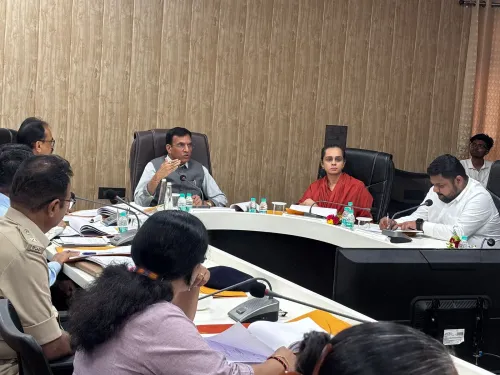
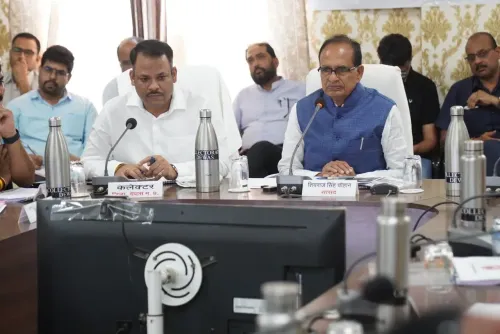
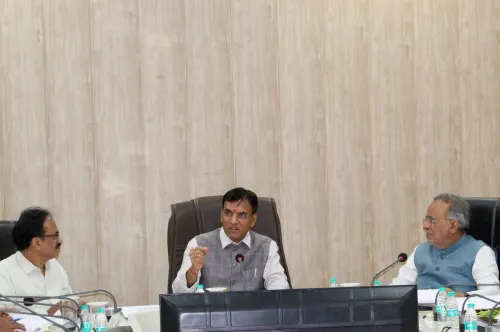
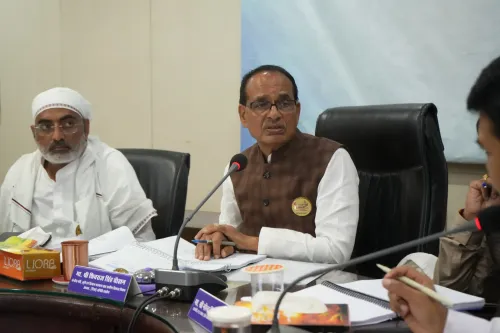
With a zero-tolerance warning to district officials and a hard focus on last-mile welfare delivery, Union Food Processing Minister Chirag Paswan chaired the District Development Coordination and Monitoring Committee (DISHA) meeting for Vaishali district in Hajipur on Tuesday, November 3, 2026 — putting every department on notice that negligence, unnecessary delays, or quality compromise in scheme implementation would not be accepted.
What the DISHA Chair Demanded from Vaishali Officials
The review was comprehensive. Paswan directed officers to ensure 'effective, transparent and time-bound implementation' — प्रभावी, पारदर्शी एवं समयबद्ध क्रियान्वयन — of central and state welfare schemes running across the district. The focus was sharp: every eligible beneficiary at the bottom rung of society must actually receive what the government has promised.
Five flagship schemes came under particular scrutiny: Pradhan Mantri Awas Yojana (housing for the rural and urban poor), Ayushman Bharat (health insurance for economically weaker sections), Pradhan Mantri Ujjwala Yojana (LPG connections for BPL households), the Public Distribution System and ration scheme, and social security pensions. Each was reviewed for its progress against intended targets.
Electricity, Education, Health: The Infrastructure Push for Hajipur
Beyond the flagship welfare programmes, Paswan issued separate directions on expanding and strengthening basic infrastructure — electricity, education, and health services — across Hajipur and Vaishali district. These are the foundational services that determine whether any welfare scheme can actually function on the ground, and the minister made clear that progress on these fronts is non-negotiable.
The message to officials was unambiguous: failure to deliver would carry consequences. The zero-tolerance framing was explicit in the post — 'किसी भी प्रकार की लापरवाही, अनावश्यक देरी अथवा गुणवत्ता से समझौता बर्दाश्त नहीं किया जाएगा' — negligence, unnecessary delay, or compromise on quality will not be tolerated.
The DISHA System: Why These Meetings Matter
DISHA committees were constituted nationwide by the Ministry of Rural Development in 2016 to bring Union ministers directly into district-level oversight of central scheme delivery. The system was designed precisely to break the accountability gap between policy formulation in Delhi and actual implementation in blocks and panchayats. In a state like Bihar — where last-mile delivery of housing, health, and food security programmes has historically faced structural bottlenecks — these reviews carry real administrative weight.
Hajipur holds particular significance in this context: it is the constituency long associated with the Paswan family's political base, making Chirag Paswan's personal attention to governance outcomes here doubly pointed.
Railway and Road Problems: Next Meeting Already Announced
Paswan signalled that the review cycle is not over. A dedicated meeting involving senior officials to examine railway and road connectivity issues in the district has been announced for the coming days. Infrastructure gaps in transport — often the invisible thread that ties together every other welfare outcome — will be placed under the same accountability lens.
A minister who chairs a DISHA review, issues a public zero-tolerance warning, and immediately schedules a follow-up on infrastructure is sending a signal that reaches well beyond one district meeting room in Hajipur.
Point of View
Delivered publicly via social media rather than in a closed administrative note, is designed to pressure district machinery while signalling responsiveness to voters ahead of any electoral cycle. The announcement of a follow-up meeting on railway and road issues extends this accountability arc into infrastructure, a domain that directly shapes how welfare outcomes are perceived at the grassroots. For a minister whose political identity is inseparable from Bihar's Dalit and marginalised communities, credible last-mile delivery of schemes like Ujjwala and Ayushman Bharat is both policy and political imperative.
NationPress
3 Nov 2026
Frequently Asked Questions
What is a DISHA committee meeting?
DISHA — the District Development Coordination and Monitoring Committee — is a body constituted by the Ministry of Rural Development in 2016. It is chaired by the local Lok Sabha MP and brings together district officials to review the implementation of central government welfare schemes at the grassroots level.
Which schemes did Chirag Paswan review at the Vaishali DISHA meeting?
The meeting focused on PM Awas Yojana, Ayushman Bharat, PM Ujjwala Yojana, the Public Distribution System and ration scheme, and social security pensions, along with electricity, education, and health infrastructure in Hajipur and Vaishali district.
What warning did Chirag Paswan give to Vaishali district officials?
Paswan made clear that negligence, unnecessary delay, or compromise on quality in the implementation of welfare schemes would not be tolerated, issuing an explicit zero-tolerance directive to all concerned department officers.
Is there a follow-up meeting planned after the DISHA review in Hajipur?
Yes. Paswan announced that a separate meeting involving senior officials will be convened in the coming days to specifically review and address railway and road connectivity problems in Hajipur and Vaishali district.
Why is Hajipur significant for Chirag Paswan?
Hajipur is the political stronghold historically associated with the Paswan family. It is a Lok Sabha constituency in Vaishali district, Bihar, long central to the Lok Janshakti Party's electoral base.