Chirag Paswan Inaugurates Bharat International Rice Conference 2026
Synopsis
Union Food Processing Minister Chirag Paswan inaugurated the 2nd Bharat International Rice Conference 2026 at Bharat Mandapam, New Delhi, emphasising India's role as the world's largest rice producer and exporter and linking the three-day global conclave to the Viksit Bharat 2047 vision.
Key Takeaways
Chirag Paswan , Union Minister of Food Processing Industries, inaugurated the 2nd Bharat International Rice Conference (BIRC) 2026 as Chief Guest on 23 October 2026 .
The conference is a three-day global event held at Bharat Mandapam, New Delhi , with international delegates in attendance.
India is the world's largest rice producer and exporter , a position built over the past decade through expanded production and trade facilitation.
The Ministry of Food Processing Industries has promoted value addition and post-harvest infrastructure in the rice sector since the 2000s.
Paswan linked BIRC 2026 to Viksit Bharat 2047 , framing rice as a strategic export commodity tied to farmer empowerment and national development.
Potential new rice processing schemes or export facilitation announcements may follow the conference sessions.
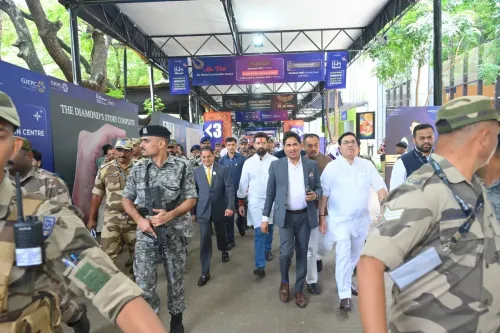
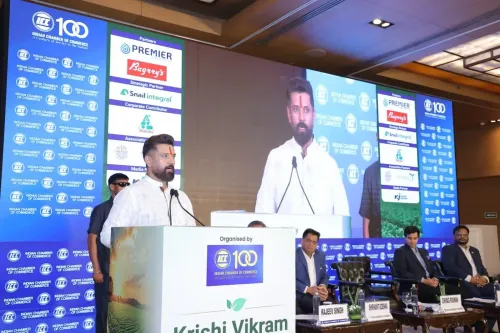
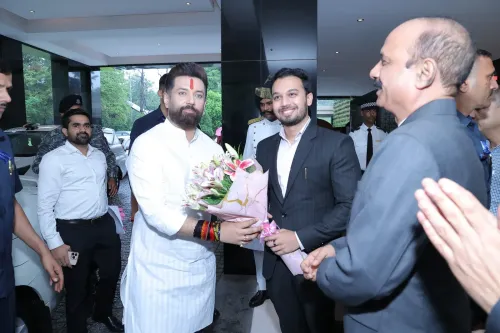
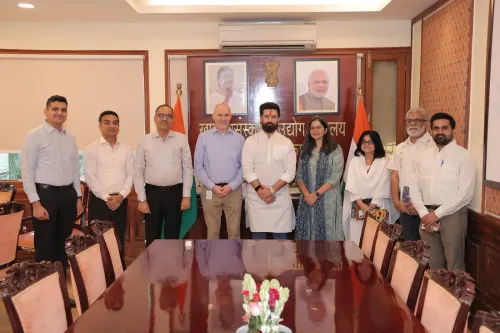
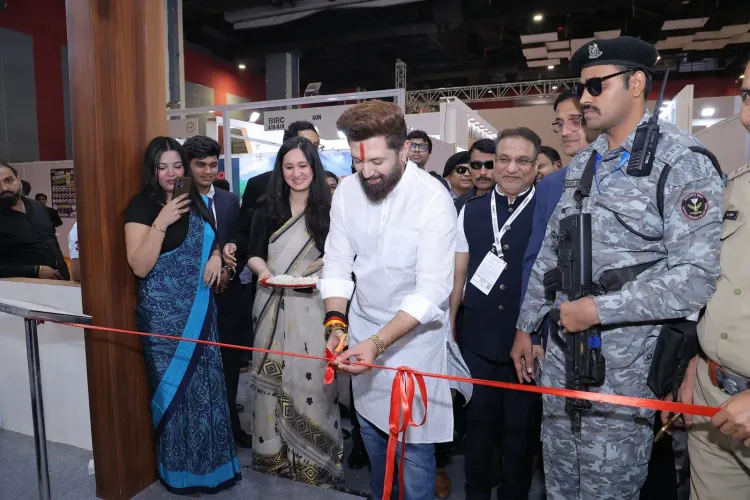
At Bharat Mandapam, New Delhi, on Friday, 23 October 2026, Union Food Processing Minister Chirag Paswan opened the 2nd Bharat International Rice Conference (BIRC) 2026 as Chief Guest — positioning India's rice sector centre-stage before an audience of international delegates gathered for a three-day global conclave.
India's rice dominance sets the stage at Bharat Mandapam
India holds a commanding position in global rice trade — the country emerged as the world's largest rice exporter during the 2010s, a status built on expanded cultivation, aggressive trade facilitation, and a series of Ministry of Food Processing Industries initiatives stretching back to the 2000s. BIRC 2026 lands squarely inside that story. Inaugurating the conference, Paswan welcomed delegates and framed India's intent plainly: the country is 'committed to strengthening its global leadership through innovation, value addition and sustainable food processing.'
That phrase — 'value addition' — is the operative one. Raw rice exports are one thing; processed, branded, and value-added rice products command far higher margins and insulate farmers from commodity price swings. The Ministry has consistently pushed infrastructure investment along the post-harvest chain, and BIRC 2026 is, in part, a platform to accelerate that agenda.
Viksit Bharat 2047 and the farmer at the centre
Paswan tied the conference explicitly to Viksit Bharat 2047 — the government's overarching vision for India to graduate to developed-nation status by the centenary of Independence. Agriculture and food processing are load-bearing pillars of that blueprint: farmer income, rural employment, and export earnings all feed into it. By hosting a global rice conference at Bharat Mandapam — one of the country's most prominent convention venues — the Ministry is signalling that rice is not just a staple crop but a strategic export commodity deserving the same institutional attention as manufacturing or services.
The three-day format gives delegates, policymakers, and industry representatives space to move beyond ceremonial speeches into substantive sessions on sustainable cultivation, processing technology, and trade facilitation. Announcements on new rice processing schemes or export facilitation measures could emerge before the conference closes.
What BIRC means for rice farmers and exporters
The conference brings together rice farmers, food-processing companies, and exporters under one roof with international counterparts — a configuration that rarely happens outside formal trade negotiations. For small and marginal farmers who grow the bulk of India's rice, the downstream payoff depends on whether the policy signals from BIRC translate into accessible credit, better storage infrastructure, and market linkages. For exporters, the conversation around sustainable practices matters increasingly as importing nations tighten environmental and quality standards. Paswan's framing — 'empowering our farmers' alongside 'global leadership' — suggests the Ministry is trying to hold both ends of that chain simultaneously.
Point of View
Innovation-led position in global food trade — a shift that carries real political capital for the BJP-led coalition in agrarian states. Chirag Paswan's visible role as Chief Guest reinforces the LJP (Ram Vilas)'s traditional appeal to farming communities in Bihar and eastern India, where rice cultivation is central to livelihoods. Tying the conference to Viksit Bharat 2047 also lets the government frame a sectoral event as part of a civilisational arc, lending it a weight that outlasts the three days. The real test will be whether the conference produces concrete policy outputs — scheme notifications, export facilitation timelines — rather than remaining a high-profile platform exercise.
NationPress
23 Oct 2026
Frequently Asked Questions
What is the Bharat International Rice Conference 2026?
The Bharat International Rice Conference (BIRC) 2026 is the second edition of a global three-day conference focused on rice sector issues including innovation, value addition, sustainable food processing, and trade. It is being held at Bharat Mandapam, New Delhi, and was inaugurated by Union Food Processing Minister Chirag Paswan on 23 October 2026.
Who inaugurated BIRC 2026 and where was it held?
Union Minister of Food Processing Industries Chirag Paswan inaugurated BIRC 2026 as Chief Guest at Bharat Mandapam, New Delhi, on 23 October 2026.
Is India really the world's largest rice exporter?
Yes. India emerged as the world's largest rice exporter during the 2010s, driven by expanded production and supportive trade policies. The country's dominance in global rice trade is a key backdrop to the BIRC conference.
What is Viksit Bharat 2047 and what does it have to do with rice?
Viksit Bharat 2047 is the Indian government's vision to make India a fully developed nation by the centenary of Independence in 2047. Agriculture and food processing — including rice value addition, farmer income growth, and export expansion — are integral to that blueprint, which is why Chirag Paswan linked BIRC 2026 to the vision.
What outcomes can be expected from BIRC 2026?
While specific announcements have not yet been made, the three-day format is designed to produce policy discussions on sustainable cultivation, processing technology, and export facilitation. New rice processing schemes or export support measures could be announced before the conference concludes.