Chirag Paswan pushes food processing to cut farm waste, lift incomes
Synopsis
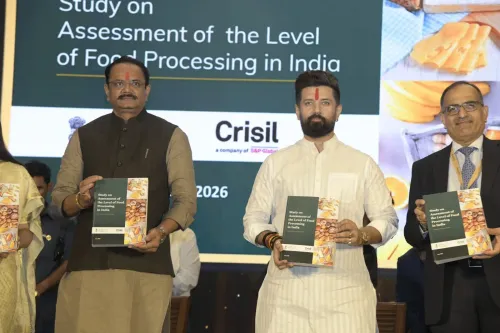
Union Minister Chirag Paswan urged a food processing push on 12 November 2026 to slash India's 15-30% post-harvest losses and carry Indian products to global dining tables, anchoring his vision in 'Value Addition for Farmers, Value Creation for India.'
Key Takeaways
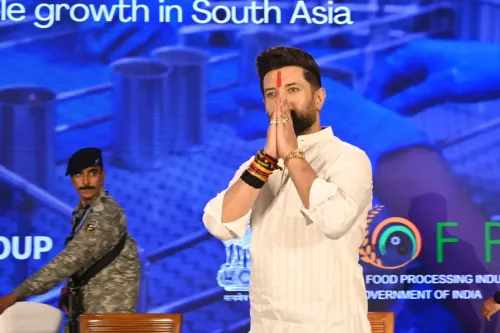
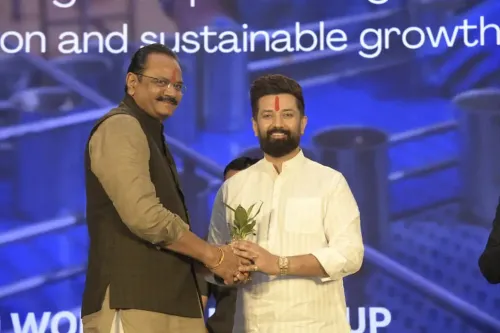
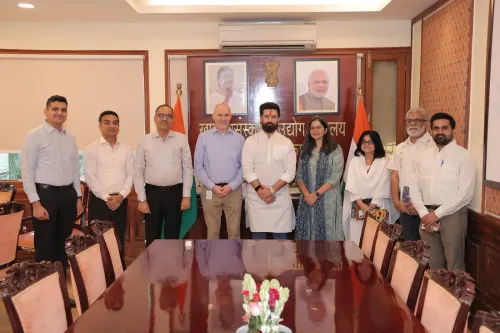
Union Food Processing Minister Chirag Paswan posted on 12 November 2026 calling for expanded food processing to cut wastage and raise farmer incomes.
India loses between 15 and 30 per cent of perishable produce to post-harvest spoilage every year.
The minister's stated vision: 'Value Addition for Farmers, Value Creation for India' and taking Indian food products to global markets.
The PM Kisan Sampada Yojana (2017) and PM FME scheme (2020) form the existing policy backbone for food processing infrastructure and micro-enterprise support.
The post was tagged to both PMO India and MOFPI , signalling top-level alignment on the push.
Future MOFPI budgetary allocations and new processing-cluster guidelines will determine whether the rhetorical push converts into on-ground investment.
India wastes up to 30 per cent of its fruits and vegetables before they ever reach a plate — and Union Food Processing Minister Chirag Paswan wants that number dismantled, one processing unit at a time. On Thursday, 12 November 2026, Paswan took to X to lay out his ministry's north star in a single, punchy line: 'Value Addition for Farmers, Value Creation for India.'
The post, tagged to both PMO India and the Ministry of Food Processing Industries (MOFPI), framed food processing not merely as an industrial policy goal but as a civilisational ambition — getting Indian food products 'to dining tables across the globe.' The minister's framing is deliberate: processing is the bridge between a farmer's harvest and a consumer's pantry, and right now that bridge leaks badly.
The wastage problem Paswan wants to crack
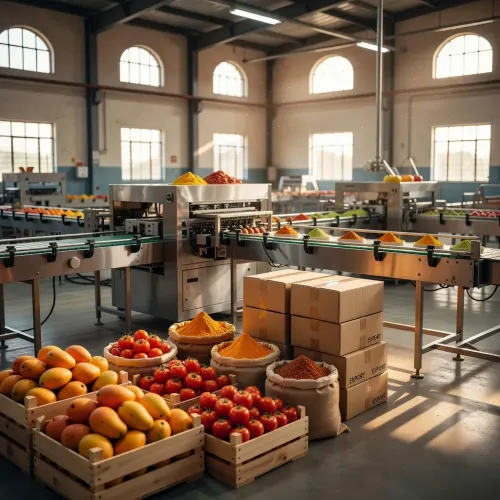
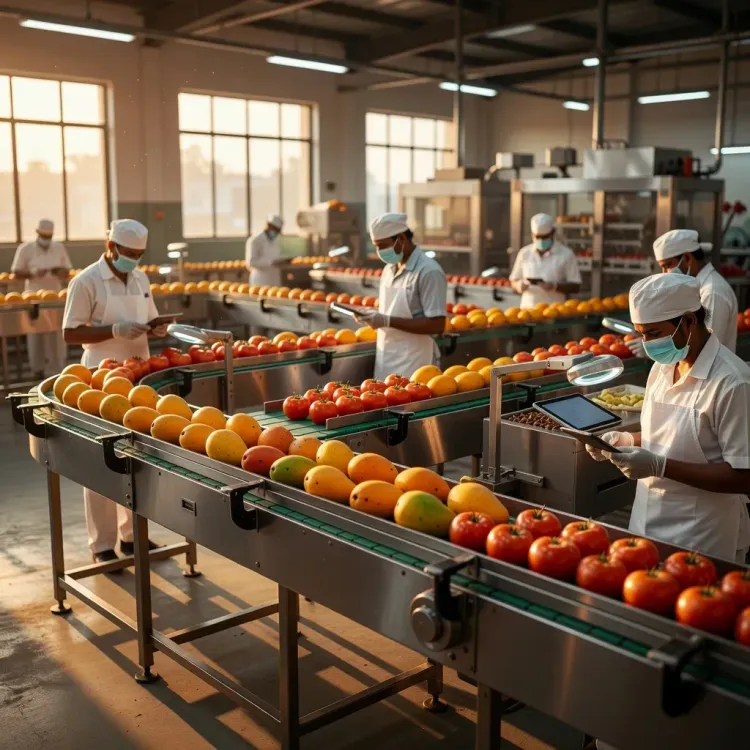
India's post-harvest losses have been a stubborn policy headache for over a decade. Research consistently pegs spoilage of perishables — tomatoes, onions, mangoes, dairy — at anywhere between 15 and 30 per cent of total production, a staggering drain on both farmer earnings and national food security. For small and marginal farmers who lack cold storage or direct market access, that wastage is not an abstraction; it is income that evaporates between the field and the mandi.
The logic Paswan is amplifying is straightforward: a tomato that becomes ketchup survives; a tomato left in a broken cold chain does not. Every percentage point of wastage reduced translates, in theory, into a larger share of the consumer rupee flowing back to the grower.
Two flagship schemes already in play
The policy scaffolding behind Paswan's vision is not new — it has been under construction for nearly a decade. The Pradhan Mantri Kisan Sampada Yojana, launched in 2017, set out to build modern food processing infrastructure: mega food parks, cold chain networks, agro-processing clusters. Three years later, the PM Formalisation of Micro Food Processing Enterprises (PM FME) scheme, approved in 2020, targeted the bottom of the pyramid — the home-based pickle maker, the village-level dairy processor — giving micro enterprises access to credit, technology, and branding support.
Together, these two schemes represent the government's bet that formalisation plus infrastructure can shift India's processed food output from a marginal share of agricultural GDP to a globally competitive force. Paswan's post signals that this bet remains live — and that the minister is actively selling it to a wider audience.
The export ambition behind 'farm to the world'
The phrase 'dining tables across the globe' is not rhetorical decoration. India's processed food export push has been gaining momentum as global supply chains re-route and demand for ethnic and health foods rises in markets from the Middle East to North America. A stronger domestic processing base — more units, better cold logistics, cleaner packaging standards — is the prerequisite for competing at that level.
What to watch now: MOFPI's budgetary allocations in the next fiscal cycle, any new guidelines on processing clusters, and whether fresh export incentives land alongside the minister's rhetorical push. Words on X become policy when rupees follow in the Union Budget.
India has the raw material — literally. The question has always been whether the infrastructure, the investment, and the political will can convert a harvest into a supply chain. Chirag Paswan is signalling, loudly, that his ministry intends to be the answer.
Point of View
Economically defensible bridge between rural welfare and export ambition — a rare area of bipartisan appeal. By tagging the PMO, he is also staking out MOFPI's visibility within a cabinet that often sees agriculture and commerce ministries dominate the headlines. The real test will come at Budget time: if scheme allocations for MOFPI stagnate while rhetoric scales up, the gap between aspiration and execution will widen. Paswan, as LJP (Ram Vilas) chief with a core base of Bihar's small farmers, has strong personal incentive to deliver visible outcomes in this portfolio before the next electoral cycle.
NationPress
12 Nov 2026
Frequently Asked Questions
What did Chirag Paswan say about food processing on 12 November 2026?
Chirag Paswan called for strengthening food processing to reduce post-harvest wastage, enhance farmer incomes, and take Indian food products to global markets, summarising the goal as 'Value Addition for Farmers, Value Creation for India.'
What is the PM Kisan Sampada Yojana and how does it relate to food processing?
The Pradhan Mantri Kisan Sampada Yojana was launched in 2017 to build modern food processing infrastructure including mega food parks, cold chain networks, and agro-processing clusters to cut post-harvest losses and boost farmer earnings.
How much food does India waste post-harvest?
India loses between 15 and 30 per cent of its fruits and vegetables to post-harvest spoilage, making wastage reduction a central aim of food processing policy.
What is the PM FME scheme for food processing?
The PM Formalisation of Micro Food Processing Enterprises scheme, approved in 2020, supports small and home-based food processors with credit, technology upgrades, and branding assistance to raise incomes through value addition.
What is Chirag Paswan's role in food processing policy?
Chirag Paswan serves as Union Minister of Food Processing Industries and national president of the Lok Janshakti Party (Ram Vilas), making him the chief political authority overseeing MOFPI's schemes, infrastructure projects, and export promotion efforts.