Chlorine gas leak at Meerut STP hospitalises several, Pallavpuram residents flee
Synopsis
A chlorine gas leak at a Sewage Treatment Plant in Meerut's Pallavpuram Phase-2 sent several residents to hospital on Tuesday evening, triggering mass panic and prompting the local RWA to issue door-to-door safety advisories. With the cause unconfirmed and hospitalised residents' conditions unreported, the full scale of the incident is still unfolding.
Key Takeaways
A chlorine gas leak was reported at the Pallavpuram Phase-2 Sewage Treatment Plant in Meerut, Uttar Pradesh on Tuesday, 16 September 2026 .
The Pallavpuram RWA advised residents to shut doors and windows and avoid going near the STP.
The gas impact was reportedly limited to within 50 metres of the plant's perimeter.
Several residents were hospitalised after experiencing health problems; no fatalities were immediately reported.
Containment efforts were underway; the cause of the leak had not been officially confirmed.
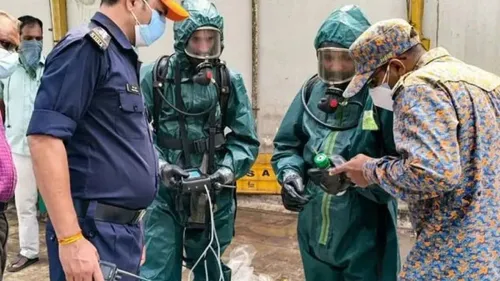
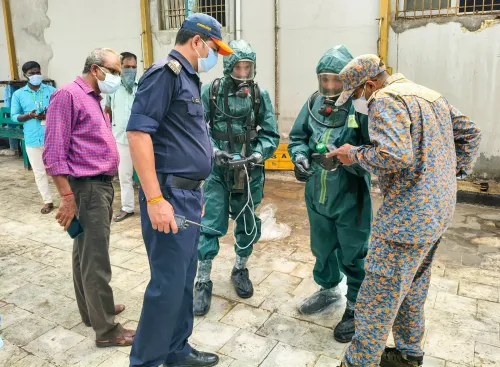
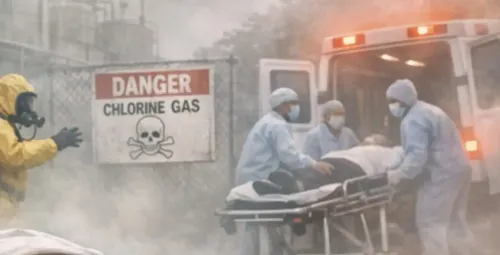
A chlorine gas leak at a Sewage Treatment Plant (STP) in N Pocket, Pallavpuram Phase-2, Meerut, Uttar Pradesh, triggered widespread panic on Tuesday evening, 16 September 2026, forcing residents to evacuate their homes and sending several people to hospital for treatment. Containment efforts were underway as officials worked to identify the source of the leak and restore normal conditions.
What Happened
The leak was detected at the STP premises during the evening hours, prompting immediate alerts to the surrounding locality. The Pallavpuram Residents Welfare Association (RWA) swiftly issued public advisories urging residents to shut doors and windows and avoid stepping outside. Those who were away from home were specifically told to return at once as a precautionary measure.
The RWA further appealed to families to ensure that children, elderly persons, and individuals with respiratory conditions stayed clear of the affected zone. According to available information, the gas impact was expected to be contained within approximately 50 metres of the plant's perimeter.
Health Impact and Hospitalisation
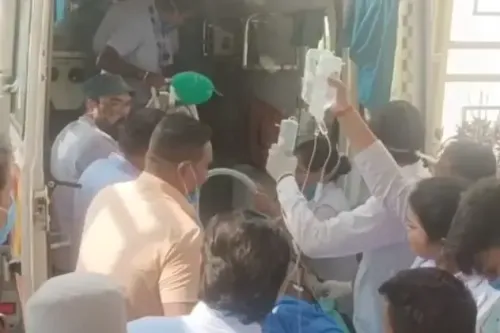
Several residents reportedly suffered health problems following exposure and were taken to a local hospital for medical attention. However, no information on any fatality or extensive damage was immediately available. The full extent of the health impact and the condition of those hospitalised remained unclear, with further details awaited.
Containment and Community Response
Upon being alerted, concerned personnel at the plant initiated steps to control the chlorine leak. Local officials continued efforts through the evening to prevent the situation from escalating. Residents near the STP were urged not to panic and to strictly follow safety guidelines until the area was declared safe.
The community response was mixed — while some residents initially stepped out after hearing about the leak, others stayed indoors with their homes sealed. The RWA remained active in coordinating advisories and channelling information to people in the vicinity.
Background and What Comes Next
Chlorine gas is routinely used in sewage and water treatment facilities for disinfection purposes. Accidental leaks, while relatively rare, can pose serious respiratory risks, particularly for vulnerable populations. This incident has raised questions about safety protocols and monitoring systems at the Pallavpuram Phase-2 STP.
The cause of the leak had not been officially confirmed as of the latest reports. Authorities were expected to release a detailed statement on the incident's cause, the number of persons hospitalised, and steps being taken to prevent a recurrence.
Point of View
No patient count, and no accountability statement from the plant operator or the civic body responsible for its upkeep. That information vacuum, more than the incident itself, is the story. India's rapidly expanding urban sewage infrastructure lacks a uniform, publicly accessible safety audit framework, and incidents like this tend to fade from the news cycle before systemic correctives are demanded.
NationPress
16 Sept 2026
Frequently Asked Questions
What caused the chlorine gas leak at the Meerut STP?
The cause of the chlorine gas leak at the Pallavpuram Phase-2 Sewage Treatment Plant in Meerut had not been officially confirmed as of the latest reports. Concerned personnel were working to identify the source and contain the situation.
How many people were hospitalised in the Meerut chlorine gas leak?
Several residents reportedly experienced health problems following the leak and were taken to a local hospital for treatment. An exact count of those hospitalised and their conditions had not been officially confirmed at the time of reporting.
What precautions did the Pallavpuram RWA advise?
The Pallavpuram Residents Welfare Association urged residents to keep doors and windows shut, avoid unnecessary movement outside, and stay away from the STP and the affected zone. Families were specifically asked to ensure that children, elderly persons, and those with respiratory conditions remained indoors.
How far did the chlorine gas spread?
According to information shared after the incident, the impact of the leaked gas was expected to be limited to within approximately 50 metres of the plant's perimeter. Residents beyond that range were advised to stay indoors as a precaution until the leak was fully contained.
Why is chlorine used at sewage treatment plants?
Chlorine is widely used at sewage and water treatment facilities as a disinfectant to kill harmful bacteria and pathogens. While effective, it can pose serious respiratory and health risks if accidentally released in gaseous form, particularly for children, the elderly, and those with pre-existing respiratory conditions.