Shivraj Chouhan releases ₹254.20 crore PM-RKVY funds for Punjab farmers
Synopsis
Union Agriculture Minister Shivraj Singh Chouhan flew into Punjab to personally hand over ₹254.20 crore in PM-RKVY funds and sanction seven new farm projects — but the bigger signal was his public threat of imprisonment for fertiliser black marketeers and a pledge to tear up the existing Pesticides Act. With a BJP minister making conciliatory overtures to an AAP-governed state, the visit was as much political as it was agricultural.
Key Takeaways
Shivraj Singh Chouhan approved ₹254.20 crore under PM-RKVY for Punjab for 2026-27 on 17 November 2026 .
The Centre sanctioned seven new agricultural projects worth ₹98.44 crore under Punjab's annual action plan.
Chouhan warned fertiliser dealers of imprisonment for black marketing and forced tagging of fertilisers.
The government plans to replace or substantially amend the existing Pesticides Act to curb fake inputs.
A pilot using green ammonia as a urea alternative is planned across 10,000 hectares .
The 'Khet Bachao Abhiyan' runs from 22 October to 30 November under the 'Swasth Dhara, Samriddh Kisan' theme.
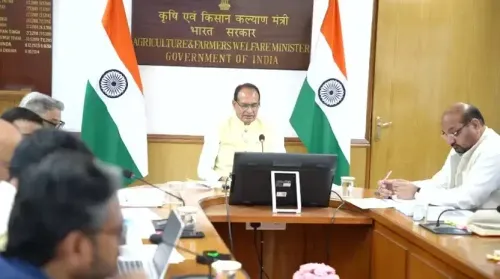
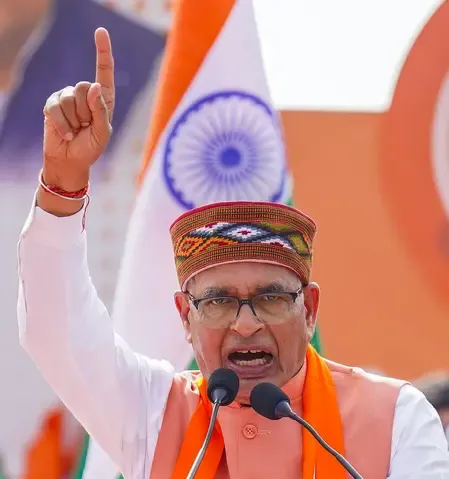
Union Minister for Agriculture and Farmers' Welfare Shivraj Singh Chouhan on Tuesday, 17 November 2026, announced a major financial package for Punjab's farming community, approving the release of ₹254.20 crore under the Pradhan Mantri Rashtriya Krishi Vikas Yojana (PM-RKVY) for 2026-27. The Centre simultaneously cleared seven new agricultural projects worth ₹98.44 crore under the state's annual action plan, in a combined push to modernise Punjab's farm sector.
What Was Announced at Mohali
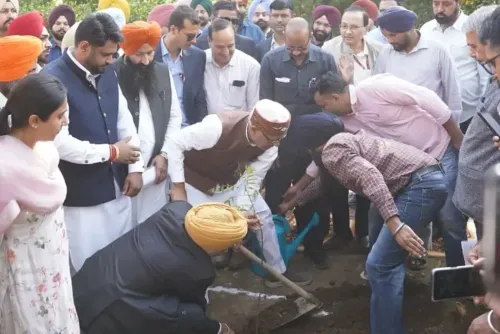
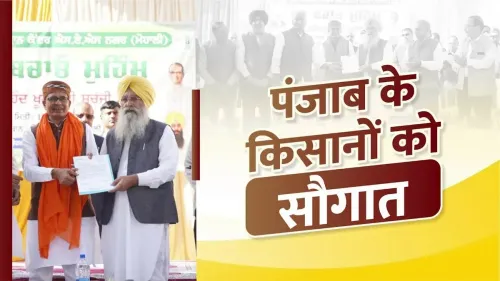
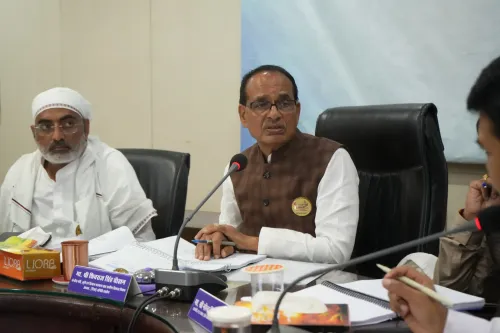
Chouhan handed over the approval letter for the second tranche of PM-RKVY funds to Punjab Agriculture Minister Gurmeet Singh Khuddian at the 'Khet Bachao Abhiyan' (Save the Fields Campaign) event held at Badarpur village in Mohali district. The seven newly sanctioned projects are aimed at improving agricultural productivity, strengthening modern farming infrastructure, and accelerating the broader development of Punjab's agriculture sector.
The minister also flagged a new experiment involving the use of green ammonia as an alternative to urea, to be piloted across 10,000 hectares. The initiative is intended to reduce dependence on conventional chemical fertilisers and move Punjab's farming practices toward greater sustainability.
Crackdown on Fertiliser Black Marketing and Fake Inputs
Chouhan announced stringent measures against the black marketing and forced tagging of fertilisers, warning dealers and shopkeepers against compelling farmers to purchase unnecessary products alongside fertilisers. He said the government plans to replace or substantially amend the existing Pesticides Act, introducing a tougher new law targeting counterfeit agricultural inputs — fake fertilisers, spurious seeds, and substandard pesticides.
'Under the leadership of Prime Minister Narendra Modi, the government imports expensive fertilisers from abroad and provides them to farmers at heavily subsidised rates to ensure that farming remains profitable. Anyone involved in black marketing or the illegal tagging of fertilisers will face imprisonment,' Chouhan said.
Suggestions from farmers and agricultural experts across the country are reportedly being sought to strengthen the proposed legislation before it is tabled.
Centre-State Ties and Punjab's Farm Sector
Emphasising that farmers' welfare must transcend political differences, Chouhan made a pointed overture to Punjab's state government — which is run by the Aam Aadmi Party (AAP), a political rival of the ruling Bharatiya Janata Party (BJP) at the Centre. 'There may be different governments at the Centre and in the state, but that makes no difference. Our sole objective is to improve the lives of Punjab's farmers,' he said.
This comes amid a wider pattern of Centre-state friction over agricultural policy, making Chouhan's conciliatory tone notable. The 'Khet Bachao Abhiyan' runs from 22 October to 30 November under the theme 'Swasth Dhara, Samriddh Kisan' (Healthy Earth, Prosperous Farmer).
Green Revolution Legacy and India's Farm Output
Addressing farmers and agricultural scientists later at the Krishi Vigyan Kendra (KVK) in Samrala, Ludhiana, Chouhan credited Punjab's farming community with driving India's agricultural transformation. He noted that India has surpassed China to become the world's number one producer of rice, and stands second globally in wheat production — a stark contrast to the era when the country was forced to import red wheat.
Chouhan also raised concerns about shrinking farm landholdings in India, arguing that unlike countries where farms span thousands of hectares, Indian farmers must adopt models that generate higher profit per acre. He referenced Prime Minister Modi's recent visit to Manila, where Modi paid obeisance at the Khalsa Diwan Gurdwara and laid its foundation stone for reconstruction.
What Comes Next
With the second PM-RKVY tranche now formally approved and seven new projects sanctioned, Punjab's agriculture department is expected to operationalise disbursements for the ongoing fiscal year. The proposed overhaul of the Pesticides Act — once finalised after nationwide consultations — could have far-reaching implications for how agricultural inputs are regulated across all states, not just Punjab.
Point of View
But the more consequential signal from Chouhan's Punjab visit is the threatened overhaul of the Pesticides Act — a law long criticised for allowing a parallel economy in fake inputs that quietly erodes farm incomes. The Centre's conciliatory framing toward an AAP-governed Punjab is also worth noting: it reflects political pressure to be seen acting for farmers without waiting for state cooperation. The green ammonia pilot, if it scales, could reduce India's costly fertiliser import bill — but 10,000 hectares is a rounding error against Punjab's total cultivated area, and the jump from pilot to policy will require sustained institutional follow-through that past agri-tech pushes have struggled to deliver.
NationPress
17 Nov 2026
Frequently Asked Questions
What is the ₹254.20 crore package announced for Punjab farmers?
It is the second tranche of funding released under the Pradhan Mantri Rashtriya Krishi Vikas Yojana (PM-RKVY) for 2026-27, approved by Union Agriculture Minister Shivraj Singh Chouhan on 17 November 2026. The funds are intended to boost agricultural productivity and infrastructure in Punjab.
What are the seven new agricultural projects sanctioned for Punjab?
The Centre approved seven new projects worth ₹98.44 crore under Punjab's annual action plan at the same event. These projects are aimed at improving farming productivity, strengthening modern agricultural infrastructure, and accelerating the overall development of the state's farm sector.
What action is the government planning against fertiliser black marketing?
Union Minister Chouhan announced that anyone involved in black marketing or the illegal forced tagging of fertilisers will face imprisonment. He also said the government plans to replace or substantially amend the existing Pesticides Act to crack down on fake fertilisers, spurious seeds, and substandard pesticides.
What is the green ammonia pilot announced by Chouhan?
The Centre is experimenting with green ammonia as an alternative to urea, with a pilot planned across 10,000 hectares. The initiative is designed to reduce dependence on conventional chemical fertilisers and promote more sustainable farming practices.
What is the 'Khet Bachao Abhiyan' and when does it run?
The 'Khet Bachao Abhiyan' (Save the Fields Campaign) is a nationwide agricultural outreach initiative running from 22 October to 30 November, organised under the theme 'Swasth Dhara, Samriddh Kisan' (Healthy Earth, Prosperous Farmer). The Mohali and Ludhiana events on 17 November were part of this campaign.