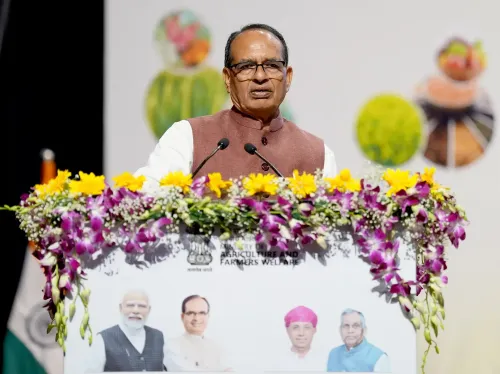
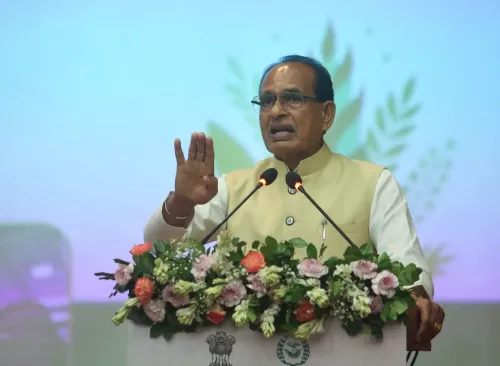
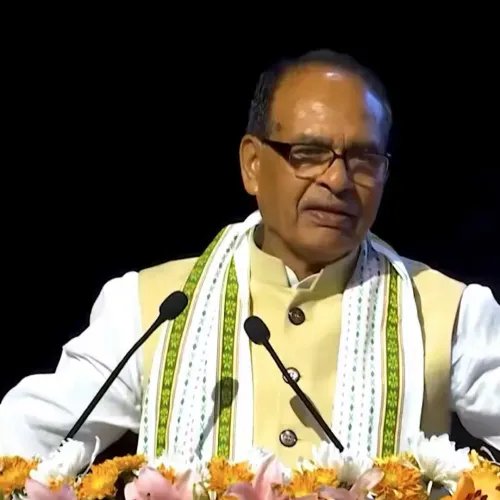
Shivraj Singh Chouhan Chairs Day 2 of Rabi Planning Meet
Synopsis
Union Agriculture Minister Shivraj Singh Chouhan confirms a second day of deliberations at the annual Rabi Campaign conference, with states co-ordinating on crop targets, input availability, and scheme delivery ahead of the winter sowing season.
Key Takeaways
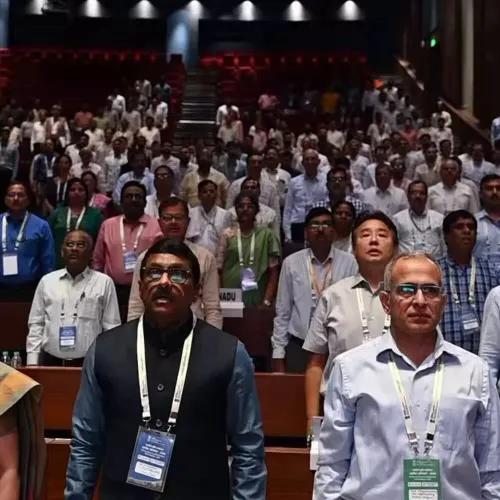
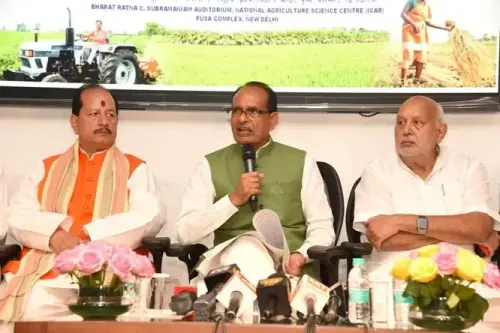
Union Agriculture Minister Shivraj Singh Chouhan confirmed on 29 September 2026 that the annual Rabi planning conference extended into its second day.
The conference is part of the established National Conference on Agriculture for the Rabi Campaign , held every year before winter sowing begins.
Key Rabi crops under discussion include wheat, mustard, and pulses — central to India's food-security targets.
State governments are active participants, co-ordinating with the Centre on crop targets, seed and fertiliser allocation, and central scheme delivery.
Chouhan's phrase ' राज्यों की भागीदारी ' (states' participation) underlines the federal co-ownership model the Ministry is signalling.
Follow-up state-level action and any mid-season review conference will be the measure of whether these deliberations translate to on-ground impact.
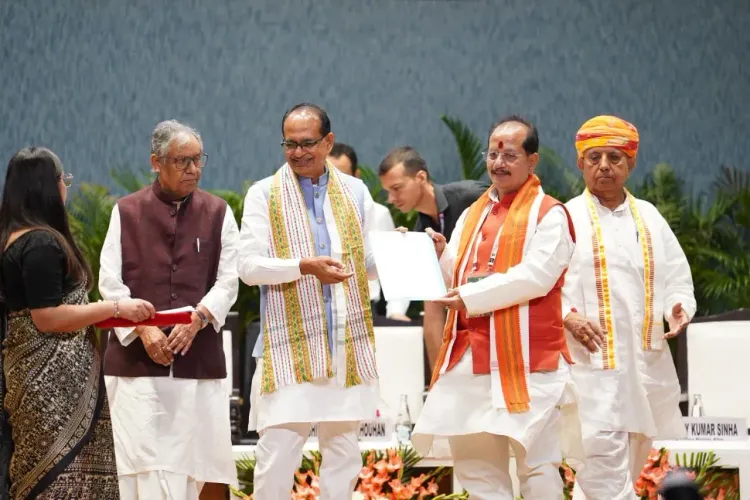
With winter sowing season closing in fast, Union Agriculture Minister Shivraj Singh Chouhan signalled on Tuesday, 29 September 2026 that the Centre's high-stakes Rabi planning conference has rolled into its second day — deliberations still in full swing, states still at the table.
Chouhan posted on X: 'रबी की तैयारी, राज्यों की भागीदारी — दूसरे दिन भी मंथन जारी…' ('Rabi preparations, states' participation — the deliberations continue on the second day too…'). The phrasing — unhurried, almost poetic — belies the urgency underneath: Rabi sowing is weeks away, and the decisions made in this room will ripple across millions of farm households through the winter.
Why the Centre and states gather every year before Rabi
The Ministry of Agriculture & Farmers Welfare convenes an annual National Conference on Agriculture for the Rabi Campaign before each winter sowing cycle. The forum is where the Centre and state governments lock in crop production targets, map input availability — seed, fertiliser, credit — and synchronise the delivery of central schemes down to the district level. Rabi's marquee crops — wheat, mustard, and pulses — feed the country's food-security calculus directly, making these pre-season alignments more than procedural.
The multi-day format matters. A single sitting rarely resolves the divergence between what a state projects and what the Centre can mobilise. A second day of manthan — the word Chouhan used, meaning 'churning' — typically means granular state-by-state discussions are still under way.
States as equal partners in the crop calendar
Chouhan's framing — 'राज्यों की भागीदारी' (states' participation) — is deliberate. Agricultural policy in India is a concurrent subject in practice, even if land and agriculture formally rest with states. Central schemes such as PM-KISAN, the National Food Security Mission, and the Pradhan Mantri Fasal Bima Yojana all require state-level co-ownership to reach the last-mile farmer. These conferences are the machinery through which that co-ownership is renewed each season.
Chouhan himself brings unusual credibility to this chair: as a four-term Chief Minister of Madhya Pradesh — one of India's largest wheat and soybean producing states — he sat on the other side of this table for nearly two decades before moving to the Centre.
What comes after the deliberations
The real test of any Rabi conference is what state agriculture departments do in the weeks that follow — whether revised targets reach the block level, whether fertiliser allocations clear on time, and whether any mid-season review is scheduled before the harvest window opens. Chouhan's post offers no outcomes yet; the churning, as he notes, is still going.
India's farm economy cannot afford a fumbled Rabi. Watch for state-level follow-up circulars and any announcement from the Ministry on specific input-support measures in the days ahead.
Point of View
Contested negotiation between the Centre and states — a signal that his ministry is treating federal co-ordination seriously in an election-adjacent year. For a minister who spent two decades as a state chief minister, leveraging that credibility to deepen Centre-state agricultural alignment is both a governing instinct and a political asset. The multi-day format also reflects a broader shift in how the Agriculture Ministry has begun to operate: pre-season planning is increasingly granular, with states pressed for district-level commitments rather than aggregate projections. The next reveal — whether conference outcomes translate into measurable Rabi sowing gains or another round of missed input-delivery timelines — will define how meaningful this 'churning' really was.
NationPress
29 Sept 2026
Frequently Asked Questions
What is the National Conference on Agriculture for the Rabi Campaign?
It is an annual meeting convened by India's Ministry of Agriculture & Farmers Welfare before the winter sowing season, where the Centre and state governments align on Rabi crop production targets, input supply, and the delivery of central agricultural schemes.
Which crops are covered in the Rabi season in India?
The principal Rabi crops in India are wheat, mustard, gram (chickpea), and other pulses — sown in the October-December window and harvested from March onwards.
Why is Shivraj Singh Chouhan chairing the Rabi planning conference?
Shivraj Singh Chouhan is the Union Minister of Agriculture & Farmers Welfare and Rural Development, making this annual pre-season conference a core ministerial responsibility.
What does 'manthan' mean in the context of this meeting?
'Manthan' is a Hindi word meaning 'churning' or 'deep deliberation'. Chouhan used it to describe the ongoing discussions at the Rabi planning conference, suggesting substantive, iterative debate rather than ceremonial proceedings.
What should I watch for after the Rabi planning conference ends?
Key signals to track include state agriculture department circulars implementing conference decisions, fertiliser and seed allocation announcements from the Centre, and any mid-season review meetings scheduled before the Rabi harvest.