Rabi 2026: Chouhan urges states to plan crops by water availability
Synopsis
India's agriculture minister has told states to stop sowing by habit and start sowing by data — specifically, by water availability. With kharif 2025 exposing stark rainfall imbalances across districts, the Rabi Campaign 2026 conference is pushing a shift toward pulses and oilseeds in moisture-rich fallow land, backed by a call for procurement reform to make diversification economically viable for farmers.
Key Takeaways
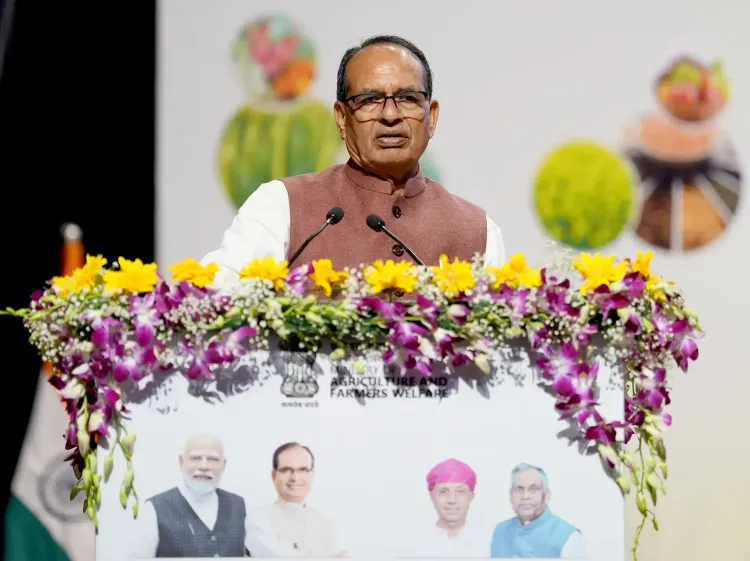
Shivraj Singh Chouhan addressed the Rabi Campaign 2026 national conference in New Delhi on 28 September .
States directed to assess reservoir levels , soil moisture , and irrigation capacity before finalising rabi sowing plans.
Water-intensive crop varieties must be avoided in regions facing likely shortages, the minister said.
District-level plans to promote gram , lentil , and mustard in rice-fallow areas have been ordered.
Stronger procurement and market linkages for pulses and oilseeds called for, alongside investment in processing and export capacity.
Timely fertiliser availability and efficient distribution flagged as critical for the rabi season.
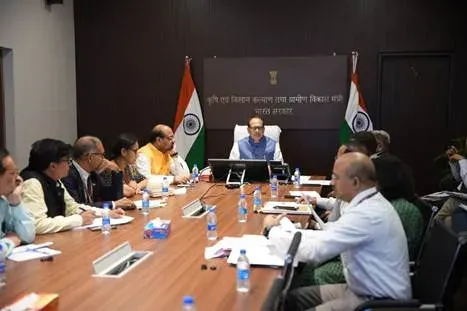
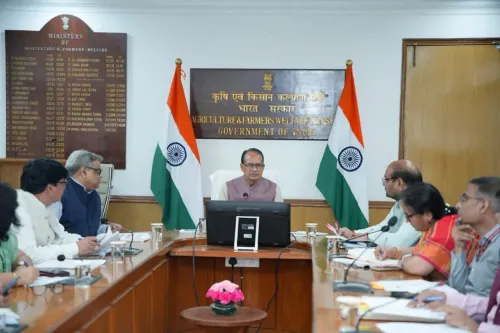
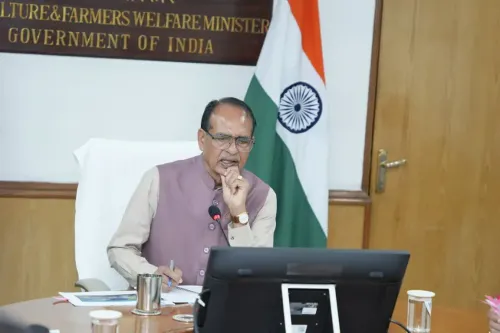
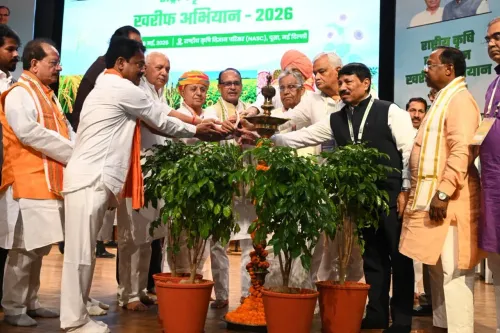
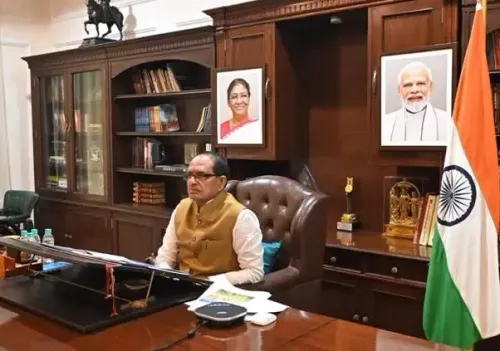
Union Agriculture Minister Shivraj Singh Chouhan on Monday, 28 September directed state governments to move away from habit-driven sowing and adopt a science-based, region-specific strategy for the rabi season 2026, citing uneven rainfall during the kharif cycle as a warning signal for water-stressed winter cropping. The appeal came at the opening of a two-day national conference on Rabi Campaign 2026 in New Delhi.
The Core Message: Water First, Crop Second
Chouhan stressed that states must assess reservoir levels, irrigation infrastructure, and soil moisture conditions before locking in sowing plans. He cautioned explicitly against cultivating water-intensive crop varieties in regions likely to face shortages — a practice that, critics argue, has historically led to groundwater depletion and crop losses in deficit-rainfall years.
According to the minister, advance planning for both pre-sowing irrigation and subsequent watering schedules would be critical to securing a successful winter harvest. This comes amid a kharif season marked by sharp contrasts — some districts logging surplus rainfall while others recorded drought-like conditions, straining water tables unevenly across states.
Push for Pulses and Oilseeds
Beyond the water-management directive, Chouhan called for a concerted push to expand cultivation of pulses and oilseeds, particularly in rice-fallow areas where residual soil moisture remains available after the kharif harvest. States have been asked to prepare district-level plans promoting crops such as gram, lentil, and mustard using region-appropriate agronomic practices.
The emphasis on pulses and oilseeds reflects a broader policy priority: India remains a net importer of edible oils and faces recurring domestic shortfalls in pulses, making self-sufficiency in these crops a strategic economic goal alongside food security.
Market Linkages and Procurement
Acknowledging that farmers respond to price signals, Chouhan said efficient procurement systems and market linkages are essential to incentivise diversification beyond wheat and rice. He called for stronger procurement and marketing arrangements for pulses and oilseeds, along with investment in processing capacity and export-quality production.
Notably, the absence of robust minimum support price (MSP) procurement for many pulse and oilseed varieties has historically discouraged farmers from shifting away from staple cereals, even when soil and water conditions would support diversification.
Fertiliser Supply in Focus
On farm inputs, the minister underlined the importance of timely fertiliser availability and efficient distribution ahead of the rabi sowing window. Disruptions in fertiliser supply chains during peak demand periods have previously led to delayed sowing and yield losses, making pre-season logistics planning a recurring concern for state agriculture departments.
What Happens Next
The two-day conference is expected to produce state-wise action plans incorporating water-availability assessments and crop diversification targets. The outcomes will feed into the Centre's rabi production estimates and inform procurement planning for the season. With climate variability increasingly disrupting traditional sowing calendars, the pressure on states to move from fixed cropping patterns to adaptive, data-driven strategies is set to intensify in the seasons ahead.
Point of View
But the prescription has a familiar gap: telling farmers to grow pulses and oilseeds without fixing MSP procurement for those crops is like recommending a diet without stocking the kitchen. India has issued similar diversification appeals for years, yet the wheat-rice monoculture persists because the procurement safety net overwhelmingly favours those two crops. Until the Centre extends credible price support and market infrastructure to gram, lentil, and mustard at scale, water-smart crop planning will remain a conference aspiration rather than a field reality.
NationPress
29 Sept 2026
Frequently Asked Questions
What did Agriculture Minister Shivraj Singh Chouhan say about the rabi season 2026?
Chouhan called on state governments to base rabi crop selection on actual water availability — including reservoir levels, soil moisture, and irrigation capacity — rather than conventional sowing habits. He made the remarks at the Rabi Campaign 2026 national conference in New Delhi on 28 September, citing uneven kharif rainfall as a key trigger for the advisory.
Why is water availability the focus for rabi planning this year?
The kharif season saw sharply contrasting rainfall across India, with some regions recording surplus and others facing drought-like conditions. This uneven distribution has left water tables and reservoir levels inconsistent across states, making it risky to follow fixed, habit-driven sowing patterns that assume adequate water supply.
Which crops is the government promoting for rabi 2026?
The Centre is pushing expansion of pulses — particularly gram and lentil — and oilseeds such as mustard, especially in rice-fallow areas where residual soil moisture can support a winter crop. States have been asked to prepare district-level plans to promote these crops using region-appropriate practices.
What market support measures did Chouhan announce for pulses and oilseeds?
Chouhan called for stronger procurement systems and market linkages for pulses and oilseeds, beyond the existing focus on wheat and rice. He also emphasised building processing capacity and promoting export-quality production to make diversification economically attractive for farmers.
What is the Rabi Campaign 2026 conference?
It is a two-day national conference organised by the Union Agriculture Ministry in New Delhi, bringing together state governments to plan strategy for the upcoming rabi (winter crop) season. The conference is expected to produce state-wise action plans on water use, crop diversification, and input supply for rabi 2026.