Shivraj Singh Chouhan starts natural farming on own land
Synopsis
Union Agriculture Minister Shivraj Singh Chouhan announced on October 22, 2026, that he has personally begun natural farming on his own land, recommending the methodical use of Beejamrit, Ghanjeevamrit, and Jeevamrit — the three pillars of Zero Budget Natural Farming developed by Subhash Palekar.
Key Takeaways
Shivraj Singh Chouhan , Union Agriculture Minister, announced on October 22, 2026 that he has started natural farming on his personal field.
He specifically recommended three biological inputs: Beejamrit (seed treatment), Jeevamrit (liquid soil inoculant), and Ghanjeevamrit (solid soil amendment).
These inputs are the foundation of Zero Budget Natural Farming (ZBNF) , developed by agriculturist Subhash Palekar from the early 2000s.
India's Paramparagat Krishi Vikas Yojana (PKVY) , launched in 2015 , already promotes organic and natural farming clusters across the country.
The minister's personal adoption adds public visibility to practices the government has formally backed through policy for over a decade.
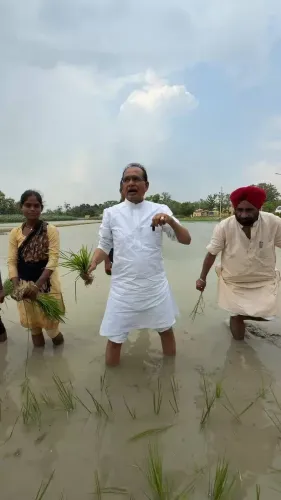
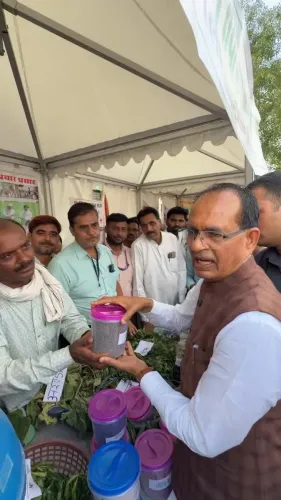
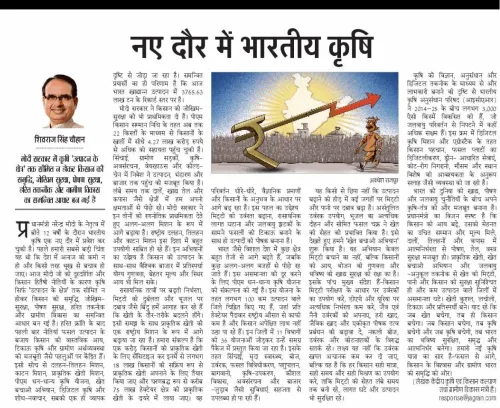
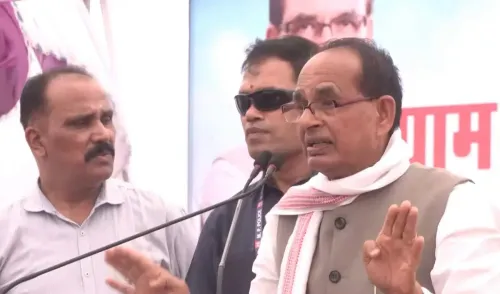
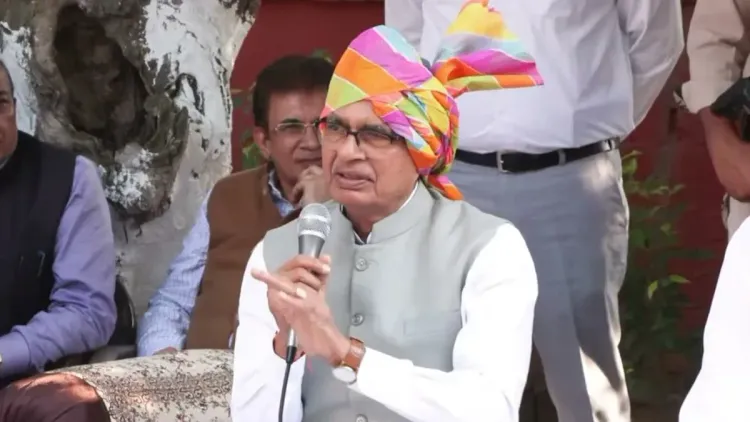
Union Agriculture Minister Shivraj Singh Chouhan has stepped beyond policy and into the field — literally. On Thursday, October 22, 2026, the senior BJP leader and former four-term Chief Minister of Madhya Pradesh announced on X that he has personally begun practising natural farming on his own land, urging farmers to follow a methodical approach using traditional biological inputs.
In his post, the Minister wrote: 'मैंने भी अपने खेत में प्राकृतिक खेती शुरू की है।' ('I have also started natural farming on my own field.') He added that his experience showed good results come when the practice is done correctly — using Beejamrit, Ghanjeevamrit, and Jeevamrit in the right manner.
The three inputs Chouhan is betting on
The three inputs Chouhan names are not new to Indian agriculture — they are the cornerstone of Zero Budget Natural Farming (ZBNF), a system developed and popularised by agriculturist Subhash Palekar from the early 2000s onward. Beejamrit is a seed-treatment solution made from cow dung, cow urine, lime, and soil that protects seeds from fungal and soil-borne diseases. Jeevamrit is a fermented microbial culture used to inoculate the soil, and Ghanjeevamrit is its solid equivalent — a compost-like preparation for direct soil application. Together, they aim to rebuild microbial life in exhausted agricultural soil without any purchased chemicals.
The ZBNF approach is premised on one core claim: a farmer who owns a cow and has access to local biomass can produce these inputs at virtually zero cost. For small and marginal farmers squeezed between rising input prices and stagnant crop revenues, that arithmetic carries real weight.
How this fits India's natural farming push
India's policy push toward low-external-input farming has a traceable lineage. The Paramparagat Krishi Vikas Yojana (PKVY), launched in 2015, created clusters of organic and natural farming across the country, incentivising farmers to transition away from synthetic inputs. Several states ran ZBNF pilot programmes through the mid-2010s, and the practice gained national-level visibility when it was prominently discussed in Union Budget speeches. Natural farming has since been woven into the broader soil-health and farmer-income discourse at the Centre.
A Union Minister publicly declaring personal adoption of the practice — with a video accompanying the post — adds a layer of credibility that a government circular cannot. It transforms an official recommendation into a visible personal commitment, a distinction that tends to travel further in rural communication networks.
What farmers and the ministry may do next
The Ministry of Agriculture and Farmers Welfare has existing channels — from Krishi Vigyan Kendras to farmer-producer organisations — through which natural farming training could be scaled. Whether Chouhan's personal experiment translates into fresh announcements on training rollouts, scheme linkages, or demonstration plots under PKVY remains the story to watch. The minister's post plants a seed; the harvest depends on the follow-through.
Point of View
Not just agronomic testimony — a senior minister putting skin in the game to accelerate grassroots adoption of a practice the Centre has struggled to mainstream through circulars alone. It reinforces a broader BJP narrative of connecting leadership to the soil, particularly as natural farming is increasingly positioned as an alternative to the costly input treadmill that has strained small farmers for decades. The real test will be whether this post catalyses concrete ministry action — fresh training drives, expanded PKVY clusters, or budgetary allocation for ZBNF demonstration farms — or remains an inspirational gesture. If it does trigger institutional follow-through, it could mark a meaningful acceleration of India's low-external-input farming transition.
NationPress
22 Oct 2026
Frequently Asked Questions
What is natural farming and how is it different from organic farming?
Natural farming, especially the Zero Budget Natural Farming model, uses farm-made biological inputs like Beejamrit and Jeevamrit derived from cow dung and urine rather than purchased organic or chemical inputs, aiming to reduce costs to near zero. Organic farming allows certified external organic inputs, whereas natural farming focuses on on-farm production of all amendments.
What are Beejamrit, Jeevamrit, and Ghanjeevamrit?
These are three core inputs in Zero Budget Natural Farming: Beejamrit is a seed-treatment solution that protects seeds from fungal infections; Jeevamrit is a fermented liquid microbial culture applied to soil; and Ghanjeevamrit is its solid form used as a soil enricher. All three are made from locally available materials, primarily cow dung and cow urine.
Who developed Zero Budget Natural Farming in India?
Zero Budget Natural Farming was developed and popularised by agriculturist Subhash Palekar from the early 2000s. His system spread across several Indian states through workshops and state-sponsored programmes.
What is the Paramparagat Krishi Vikas Yojana?
The Paramparagat Krishi Vikas Yojana (PKVY) is a central government scheme launched in 2015 to promote organic and natural farming in India by forming farmer clusters and providing financial support for input production, certification, and market linkage.
Why is Shivraj Singh Chouhan promoting natural farming?
As Union Agriculture Minister, Chouhan is responsible for farmer welfare and has backed natural farming as a way to reduce input costs for small farmers and improve soil health. His personal adoption of the practice on his own field is intended to demonstrate its feasibility and encourage wider adoption.