CJI Surya Kant to swear in 5 new Supreme Court judges on June 2

Synopsis
India's Supreme Court is set for a significant bench expansion on 2 June, as CJI Surya Kant swears in five new judges — four sitting High Court Chief Justices and a senior advocate — days after the government raised the court's sanctioned judge strength from 33 to 37 via ordinance.
Key Takeaways
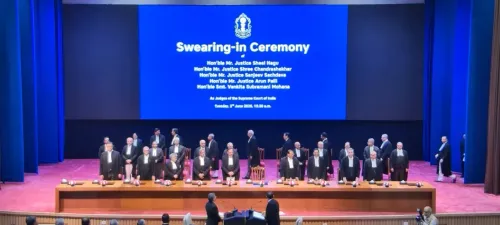
CJI Surya Kant will administer oaths to five new Supreme Court judges on 2 June 2026 at 10.30 am in the Supreme Court's Administrative Buildings Complex.
The appointees are Justice Sheel Nagu , Justice Shree Chandrashekhar , Justice Sanjeev Sachdeva , Justice Arun Palli , and senior advocate V.
The Supreme Court Collegium recommended the elevations in meetings held on 22 May and 27 May 2026 .
Union Minister Arjun Ram Meghwal confirmed the President's approval in a post on X.
The appointments follow the Supreme Court (Number of Judges) Amendment Ordinance, 2026 , which raised sanctioned bench strength from 33 to 37 judges.
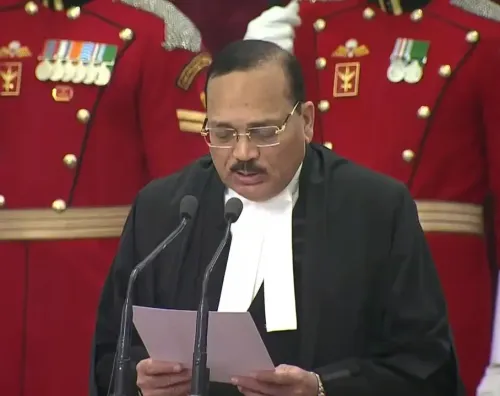
Chief Justice of India (CJI) Surya Kant will administer the oath of office to five new Supreme Court judges on 2 June 2026, following the Centre's approval of their elevation to the apex court. The swearing-in marks a significant expansion of the Supreme Court's bench strength after a recent ordinance raised the sanctioned judge count.
The Ceremony and Arrangements
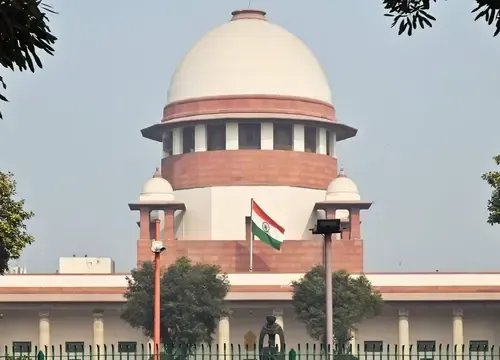
According to a circular issued by the Supreme Court Registry, the swearing-in ceremony will be held at 10.30 am in the Auditorium on the third floor of the Administrative Buildings Complex (ABC) of the Supreme Court. Officers, staff, and coordinating agencies — including Supreme Court Security and the Central Public Works Department (CPWD) — have been notified of special arrangements for the event.
Parking of vehicles, except those belonging to Registrars, will not be permitted within the Administrative Buildings Complex on the day of the ceremony.
Who Are the Five New Judges
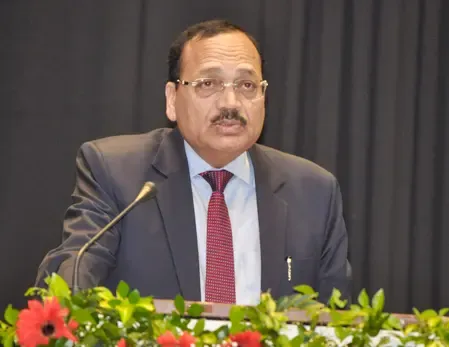
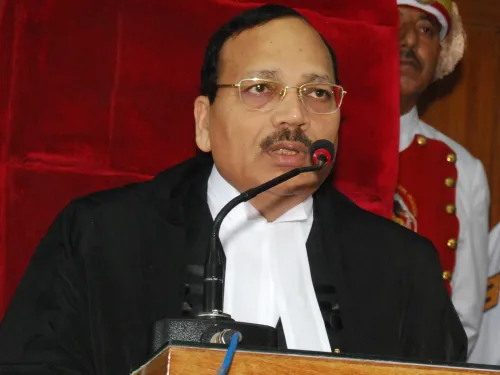
The five appointees are Justice Sheel Nagu, Justice Shree Chandrashekhar, Justice Sanjeev Sachdeva, Justice Arun Palli, and senior advocate V. Mohana. All four judges were serving as Chief Justices of their respective High Courts prior to elevation.
Justice Nagu was appointed to the Madhya Pradesh High Court in May 2011 and became Chief Justice of the Punjab and Haryana High Court in July 2024. Justice Chandrashekhar was elevated to the Jharkhand High Court in January 2013 and took charge as Chief Justice of the Bombay High Court in January 2025.
Justice Sachdeva was appointed Additional Judge of the Delhi High Court in April 2013, became a permanent judge in March 2015, and assumed office as Chief Justice of the Madhya Pradesh High Court in July 2025. Justice Palli was elevated to the Punjab and Haryana High Court in December 2013 and appointed Chief Justice of the Jammu and Kashmir and Ladakh High Court in April 2025.
Senior advocate V. Mohana has practised before the Supreme Court and appeared in several constitutional, civil, and service law matters.
Collegium Recommendations and Centre's Approval
The Supreme Court Collegium — comprising the CJI and the four senior-most Supreme Court judges — recommended the elevations in meetings held on 22 May and 27 May. The Centre acted on these recommendations to clear all five appointments. Union Minister for Law and Justice Arjun Ram Meghwal confirmed, in a post on X, that the President had appointed the five judges after consultation with the Chief Justice of India.
Under the existing Memorandum of Procedure (MoP), the Collegium forwards its recommendations to the Centre to fill vacancies in the apex court.
Bench Strength After the Swearing-In
The five appointments follow the promulgation of the Supreme Court (Number of Judges) Amendment Ordinance, 2026, which increased the sanctioned strength of judges from 33 to 37, excluding the Chief Justice of India. The new additions will further consolidate the court's capacity to address its substantial pending caseload. This is a notable step toward fuller utilisation of the expanded bench strength authorised by the ordinance.
Point of View
Or whether structural bottlenecks will absorb the additional capacity. Notably, all four judicial appointees are High Court Chief Justices, reflecting the Collegium's preference for seniority over diversity of profile. With the ordinance route used to expand bench strength rather than a parliamentary amendment, the move also sidesteps legislative scrutiny at a time when the court's institutional credibility is under close public watch.
NationPress
25 Sept 2026
Frequently Asked Questions
Who are the five new Supreme Court judges being sworn in on June 2?
The five new judges are Justice Sheel Nagu (former Chief Justice of the Punjab and Haryana High Court), Justice Shree Chandrashekhar (former Chief Justice of the Bombay High Court), Justice Sanjeev Sachdeva (former Chief Justice of the Madhya Pradesh High Court), Justice Arun Palli (former Chief Justice of the Jammu and Kashmir and Ladakh High Court), and senior advocate V. Mohana.
Who recommended the elevation of these judges to the Supreme Court?
The Supreme Court Collegium, comprising CJI Surya Kant and the four senior-most Supreme Court judges, recommended the elevations in meetings held on 22 May and 27 May 2026. The Centre subsequently approved the appointments, and the President formally notified them.
What is the Supreme Court (Number of Judges) Amendment Ordinance, 2026?
It is an ordinance that increased the sanctioned strength of Supreme Court judges from 33 to 37, excluding the Chief Justice of India. The five new appointments are among the first to utilise this expanded capacity.
Where and when will the swearing-in ceremony take place?
The ceremony will be held on 2 June 2026 at 10.30 am in the Auditorium on the third floor of the Administrative Buildings Complex (ABC) of the Supreme Court in New Delhi.
What is the Memorandum of Procedure for Supreme Court appointments?
Under the existing Memorandum of Procedure (MoP), the Supreme Court Collegium — the CJI and the four senior-most judges — forwards its recommendations to the Centre to fill vacancies in the apex court. The Centre then processes the appointments for presidential notification.