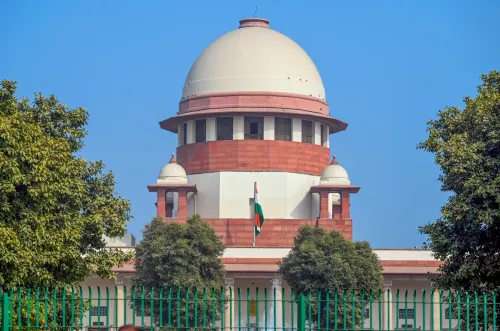
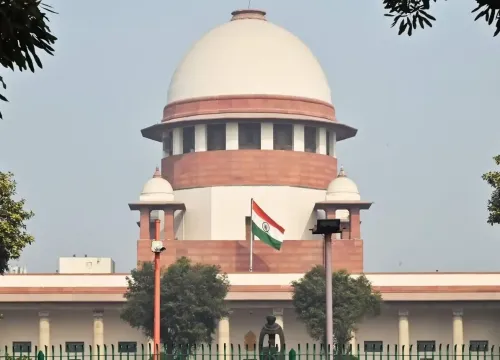
Supreme Court gets 5 new judges: Nagu, Chandrashekhar, Sachdeva, Palli, Mohana elevated
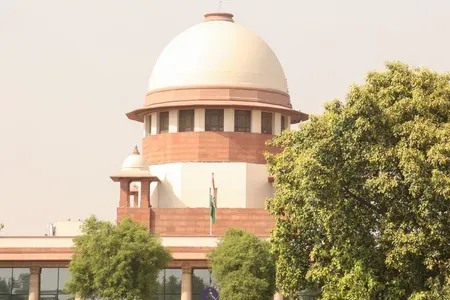
Synopsis
In a single batch, the Centre cleared five Supreme Court appointments — four sitting High Court Chief Justices and one senior advocate — days after the bench strength was raised from 33 to 37 by presidential ordinance. The scale and composition of this batch reflect a deliberate push to tackle India's deepening judicial pendency crisis.
Key Takeaways
The Centre appointed five new Supreme Court judges on 1 June 2026 , acting on Supreme Court Collegium recommendations from 22 and 27 May 2026 .
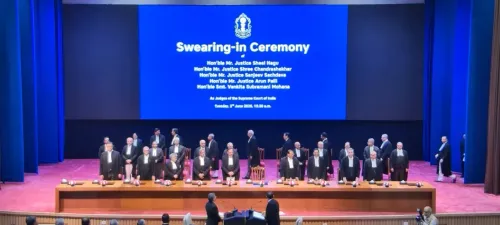
The appointees are Justice Sheel Nagu , Justice Shree Chandrashekhar , Justice Sanjeev Sachdeva , Justice Arun Palli , and senior advocate V.
All four judicial appointees are sitting High Court Chief Justices ; V.
Mohana is elevated directly from the Bar.
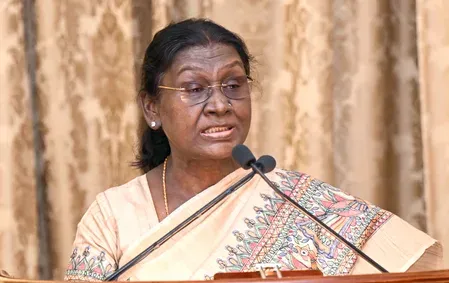
President Droupadi Murmu had last month raised the Supreme Court's sanctioned judge strength from 33 to 37 via ordinance.
The appointments are intended to address mounting case pendency at the apex court.
The Centre on Monday, 1 June 2026 cleared the appointment of five new judges to the Supreme Court of India, acting on the recommendation of the Supreme Court Collegium. The five appointees are Justice Sheel Nagu, Justice Shree Chandrashekhar, Justice Sanjeev Sachdeva, Justice Arun Palli — all sitting High Court Chief Justices — and senior advocate V. Mohana.
The Appointments
Union Minister for Law and Justice Arjun Ram Meghwal announced the appointments in a post on X, stating that the President of India, after consultation with the Chief Justice of India (CJI), had exercised powers under clause (2) of Article 124 of the Constitution to elevate the five. The Collegium had recommended the names following meetings held on 22 and 27 May 2026.
Who Are the New Judges
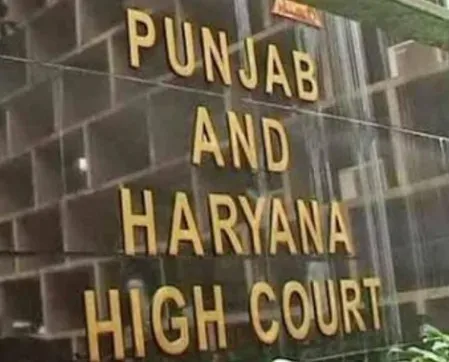
Justice Sheel Nagu, Chief Justice of the Punjab and Haryana High Court (parent court: Madhya Pradesh High Court), was first appointed to the Madhya Pradesh bench in May 2011 and assumed charge as Chief Justice of Punjab and Haryana in July 2024.
Justice Shree Chandrashekhar, Chief Justice of the Bombay High Court (parent court: Jharkhand High Court), was elevated to the Jharkhand bench in January 2013 and took over as Bombay's Chief Justice in January 2025.
Justice Sanjeev Sachdeva, Chief Justice of the Madhya Pradesh High Court (parent court: Delhi High Court), was appointed an Additional Judge of the Delhi High Court in April 2013, became a permanent judge in March 2015, and assumed the Madhya Pradesh Chief Justiceship in July 2025.
Justice Arun Palli, Chief Justice of the Jammu and Kashmir and Ladakh High Court (parent court: Punjab and Haryana High Court), was elevated to the Punjab and Haryana bench in December 2013 and appointed Chief Justice of the J&K and Ladakh court in April 2025.
Senior advocate V. Mohana has practised before the Supreme Court across constitutional, civil, and service matters, and is the sole direct-from-Bar appointee in this batch.
Context: Expanded Bench Strength
The appointments follow a significant structural change: last month, President Droupadi Murmu promulgated the Supreme Court (Number of Judges) Amendment Ordinance, 2026, raising the sanctioned strength of Supreme Court judges from 33 to 37, excluding the CJI. The expansion was explicitly aimed at reducing mounting case pendency and accelerating disposal rates at the apex court.
What This Means for the Court
The addition of five judges in a single batch is notable in its scale. With the bench strength now expanded, the Supreme Court is positioned to constitute more Constitution Benches and hear long-pending matters simultaneously. Notably, the inclusion of a senior advocate — rather than exclusively elevating sitting judges — signals the Collegium's intent to bring direct courtroom expertise to the bench. All five appointments are expected to take effect shortly after the formal warrant of appointment is issued.
Point of View
Or whether procedural and listing reforms must accompany the headcount increase. The inclusion of V. Mohana directly from the Bar is a welcome signal of diversity in the appointment pipeline, but one data point does not a pattern make. The real test is whether the expanded bench translates into faster justice for ordinary litigants, not just more benches for high-profile constitutional matters.
NationPress
20 Sept 2026
Frequently Asked Questions
Who are the five newly appointed Supreme Court judges?
The five newly appointed judges are Justice Sheel Nagu, Justice Shree Chandrashekhar, Justice Sanjeev Sachdeva, Justice Arun Palli — all sitting High Court Chief Justices — and senior advocate V. Mohana, who is elevated directly from the Bar.
Why did the Centre appoint five Supreme Court judges at once?
The batch appointments follow the Supreme Court Collegium's recommendations of 22 and 27 May 2026, and come shortly after a presidential ordinance expanded the court's sanctioned strength from 33 to 37 judges (excluding the CJI) to address rising case pendency.
What is the Supreme Court (Number of Judges) Amendment Ordinance, 2026?
It is an ordinance promulgated by President Droupadi Murmu that raised the sanctioned strength of Supreme Court judges from 33 to 37, not counting the Chief Justice of India. The move was aimed at reducing the backlog of cases and speeding up disposal at the apex court.
Which High Courts did the newly elevated justices head?
Justice Sheel Nagu was Chief Justice of the Punjab and Haryana High Court; Justice Shree Chandrashekhar of the Bombay High Court; Justice Sanjeev Sachdeva of the Madhya Pradesh High Court; and Justice Arun Palli of the Jammu and Kashmir and Ladakh High Court.
Who announced the Supreme Court appointments?
Union Minister for Law and Justice Arjun Ram Meghwal announced the appointments in a post on X, citing the President's exercise of powers under clause (2) of Article 124 of the Constitution of India, after consultation with the Chief Justice of India.