Five new Supreme Court judges sworn in by CJI Surya Kant today
Synopsis
India's Supreme Court bench just got five new faces — four High Court Chief Justices and a veteran senior advocate — sworn in by CJI Surya Kant on 2 June. The additions come right after a 2026 ordinance expanded the court's sanctioned judge strength from 33 to 37, signalling a deliberate push to clear one of the world's most burdened apex court dockets.
Key Takeaways
CJI Surya Kant administered the oath to five new Supreme Court judges on 2 June 2026 at 10:30 am IST .
The new judges are Justice Sheel Nagu , Justice Shree Chandrashekhar , Justice Sanjeev Sachdeva , Justice Arun Palli , and senior advocate V.
All four judges were serving as High Court Chief Justices before their elevation.
The Supreme Court Collegium recommended the appointments in meetings on 22 May and 27 May ; the Centre approved all five.
The swearing-in follows the Supreme Court (Number of Judges) Amendment Ordinance, 2026 , which raised sanctioned judge strength from 33 to 37 , excluding the CJI.
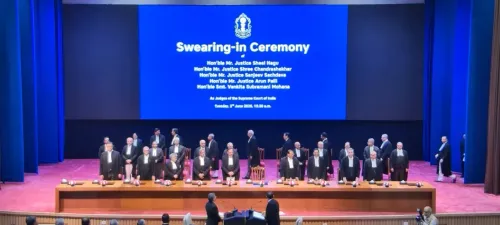
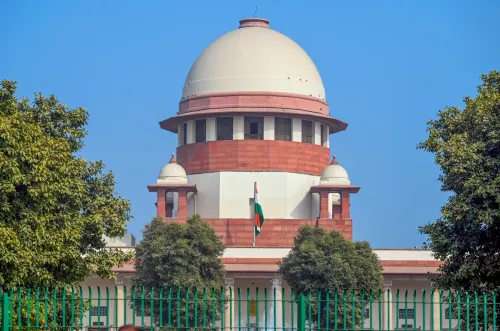
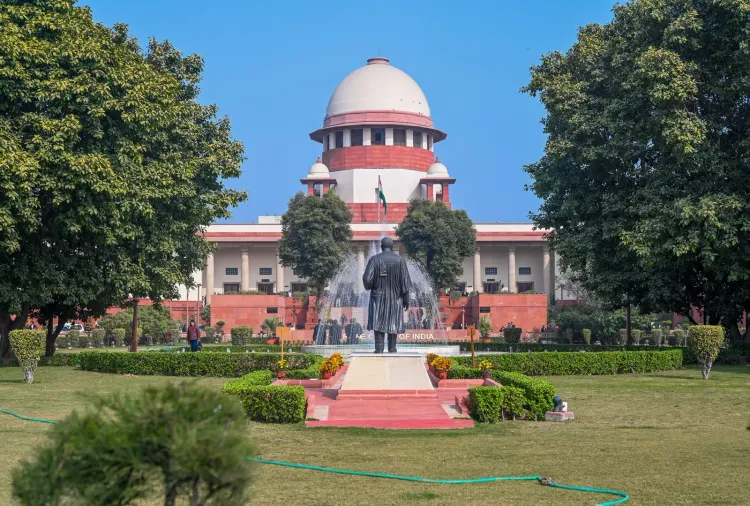
Chief Justice of India (CJI) Surya Kant administered the oath of office to five new Supreme Court judges on Tuesday, 2 June, in a ceremony held at 10:30 am IST at the Auditorium in the Administrative Buildings Complex (ABC) of the apex court in New Delhi. The swearing-in follows the Centre's approval of the Supreme Court Collegium's recommendations to elevate four sitting High Court Chief Justices and one senior advocate to the nation's highest court.
The Five New Judges
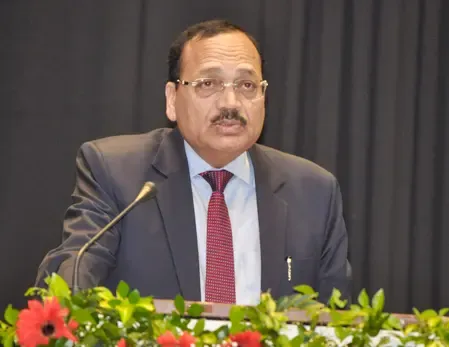
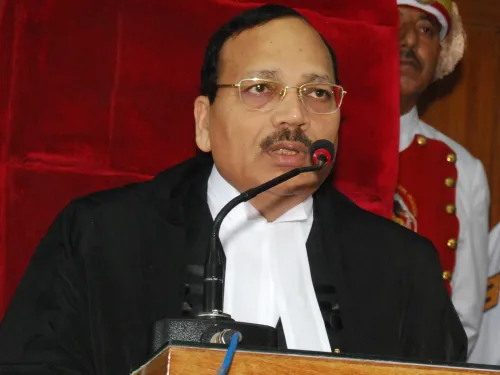
The judges who took oath are Justice Sheel Nagu, formerly Chief Justice of the Punjab and Haryana High Court; Justice Shree Chandrashekhar, formerly Chief Justice of the Bombay High Court; Justice Sanjeev Sachdeva, formerly Chief Justice of the Madhya Pradesh High Court; Justice Arun Palli, formerly Chief Justice of the Jammu and Kashmir and Ladakh High Court; and senior advocate V. Mohana, a practitioner before the Supreme Court with extensive experience in constitutional, civil, and service law matters.
Background and Collegium Process
The Supreme Court Collegium, in its meetings held on 22 May and 27 May, had recommended the elevation of all five. Acting on those recommendations, the Centre cleared the appointments. Union Minister for Law and Justice Arjun Ram Meghwal, in a post on X on Monday, confirmed that the President, after consultation with the CJI, had formally appointed the five to the apex court bench.
Under the existing Memorandum of Procedure (MoP), the CJI and the four senior-most Supreme Court judges — collectively known as the Collegium — forward recommendations to the Centre to fill vacancies at the apex court. The Centre's approval of all five names without modification signals a smooth executive-judiciary coordination in this instance.
Profiles at a Glance
Justice Nagu was appointed to the Madhya Pradesh High Court in May 2011 and became Chief Justice of the Punjab and Haryana High Court in July 2024. Justice Chandrashekhar was elevated to the Jharkhand High Court in January 2013 and assumed charge as Chief Justice of the Bombay High Court in January 2025. Justice Sachdeva was appointed Additional Judge of the Delhi High Court in April 2013, became permanent in March 2015, and took over as Chief Justice of the Madhya Pradesh High Court in July 2025. Justice Palli was elevated to the Punjab and Haryana High Court in December 2013 and appointed Chief Justice of the Jammu and Kashmir and Ladakh High Court in April 2025.
Expanded Bench Strength
The swearing-in comes on the heels of the Supreme Court (Number of Judges) Amendment Ordinance, 2026, which raised the sanctioned strength of Supreme Court judges from 33 to 37, excluding the Chief Justice of India. Tuesday's additions move the court meaningfully closer to its new sanctioned ceiling, reinforcing its capacity to address a mounting docket of constitutional and civil matters.
Logistics for the ceremony were managed by the Supreme Court Registry, which coordinated with the Supreme Court Security and the CPWD. Vehicle parking in the Administrative Buildings Complex was restricted for the day, with access limited to Registrar-level officers.
Point of View
At a time when the appointment process has historically been a friction point. More substantively, the 2026 ordinance expanding bench strength to 37 is the real story: it acknowledges, at last, that the court's structural capacity has lagged its constitutional mandate for decades. Whether the expanded bench translates into faster disposal of the tens of thousands of pending matters, or merely adds bodies without fixing systemic delays, will be the test. The inclusion of a senior advocate — rather than only sitting judges — also continues a quiet but significant diversification of the court's professional composition.
NationPress
23 Sept 2026
Frequently Asked Questions
Who are the five new Supreme Court judges sworn in on 2 June 2026?
The five new judges are Justice Sheel Nagu (formerly Chief Justice, Punjab and Haryana High Court), Justice Shree Chandrashekhar (formerly Chief Justice, Bombay High Court), Justice Sanjeev Sachdeva (formerly Chief Justice, Madhya Pradesh High Court), Justice Arun Palli (formerly Chief Justice, Jammu and Kashmir and Ladakh High Court), and senior advocate V. Mohana. All were sworn in by CJI Surya Kant on 2 June 2026.
Why were five judges appointed to the Supreme Court at once?
The appointments follow the Supreme Court (Number of Judges) Amendment Ordinance, 2026, which increased the sanctioned strength of Supreme Court judges from 33 to 37, excluding the CJI. The Collegium had recommended all five names in meetings on 22 and 27 May, and the Centre approved them together.
What is the Supreme Court Collegium and how does it recommend judges?
The Supreme Court Collegium comprises the CJI and the four senior-most Supreme Court judges. Under the Memorandum of Procedure (MoP), the Collegium forwards recommendations to the Centre to fill vacancies at the apex court, and the Centre then processes the appointments in consultation with the President.
Who is senior advocate V. Mohana and why is her appointment significant?
V. Mohana is a senior advocate who has practised before the Supreme Court in constitutional, civil, and service law matters. Her elevation is notable because direct appointments from the Bar — rather than from the High Court bench — are relatively uncommon and broaden the professional diversity of the Supreme Court.
What is the current sanctioned strength of the Supreme Court after the 2026 ordinance?
The Supreme Court (Number of Judges) Amendment Ordinance, 2026 raised the sanctioned strength from 33 to 37 judges, not counting the Chief Justice of India. Tuesday's swearing-in of five judges moves the court closer to that new ceiling.