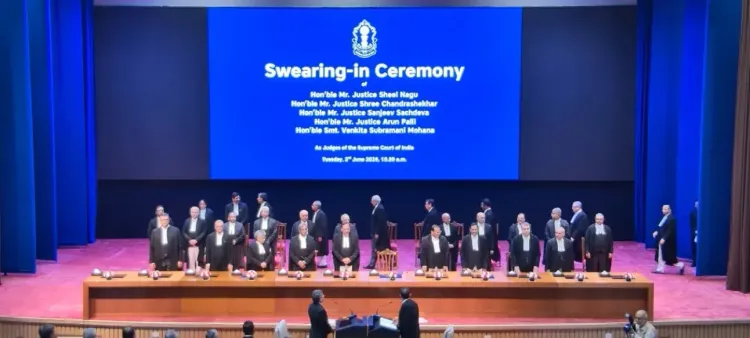
CJI Surya Kant swears in 5 new Supreme Court judges on 2 June 2026
Synopsis
Five new judges took oath at the Supreme Court on 2 June 2026, days after a presidential ordinance expanded the bench's sanctioned strength from 33 to 37. Among the five is senior advocate V. Mohana — a rare direct elevation from the bar — signalling the Collegium's intent to widen the apex court's talent pipeline beyond the conventional High Court route.
Key Takeaways
CJI Surya Kant administered the oath of office to five new Supreme Court judges on 2 June 2026 in New Delhi.
The new judges are Justice Sheel Nagu , Justice Shree Chandrashekhar , Justice Sanjeev Sachdeva , Justice Arun Palli , and senior advocate V.
The Centre approved the appointments on 1 June 2026 , acting on Supreme Court Collegium recommendations from 22 and 27 May 2026 .
President Droupadi Murmu had promulgated the Supreme Court (Number of Judges) Amendment Ordinance, 2026 , raising bench strength from 33 to 37 (excluding the CJI).
Mohana is elevated directly from the senior advocates' bar — a comparatively rare appointment route to the apex court.
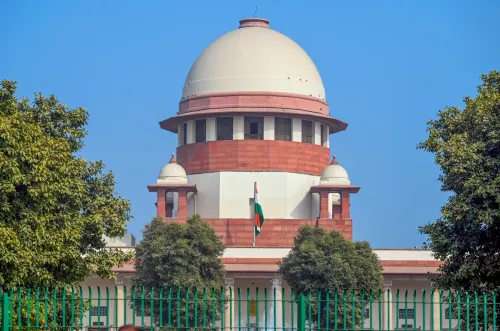
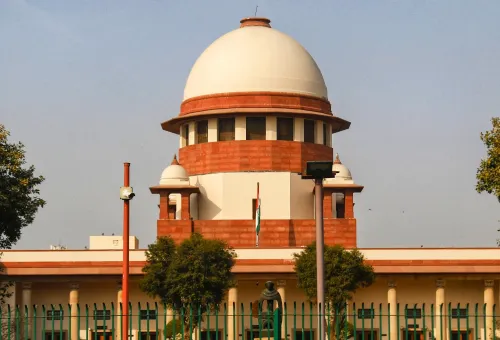
Chief Justice of India (CJI) Surya Kant on Tuesday, 2 June 2026, administered the oath of office to five new Supreme Court judges in New Delhi, expanding the apex court's bench following a presidential ordinance that raised its sanctioned strength. The five new judges are Justice Sheel Nagu, Justice Shree Chandrashekhar, Justice Sanjeev Sachdeva, Justice Arun Palli, and senior advocate V. Mohana.
Centre Clears Collegium Recommendations
The Centre on Monday, 1 June 2026, approved the elevation of all five, acting on recommendations made by the Supreme Court Collegium in its meetings held on 22 May and 27 May 2026. The four sitting judges were all serving as Chief Justices of High Courts, while Mohana was elevated directly from the senior advocates' bar — a comparatively rare route to the apex court.
Union Minister for Law and Justice Arjun Ram Meghwal, in a post on social media platform X, confirmed that the President, after consultation with the CJI, had formally appointed all five as judges of the Supreme Court.
Who Are the Five New Judges
Justice Sheel Nagu was first appointed to the Madhya Pradesh High Court in May 2011 and most recently served as Chief Justice of the Punjab and Haryana High Court from July 2024. Justice Shree Chandrashekhar joined the Jharkhand High Court bench in January 2013 and was elevated to Chief Justice of the Bombay High Court in January 2025.
Justice Sanjeev Sachdeva was appointed an Additional Judge of the Delhi High Court in April 2013, confirmed as a permanent judge in March 2015, and became Chief Justice of the Madhya Pradesh High Court in July 2025. Justice Arun Palli joined the Punjab and Haryana High Court in December 2013 and was appointed Chief Justice of the Jammu and Kashmir and Ladakh High Court in April 2025.
Senior advocate V. Mohana has practised before the Supreme Court for years, handling constitutional, civil, and service law matters at the apex court level.
Ordinance Behind the Expansion
The oath ceremony follows President Droupadi Murmu's promulgation of the Supreme Court (Number of Judges) Amendment Ordinance, 2026, which raised the sanctioned strength of Supreme Court judges from 33 to 37, excluding the Chief Justice of India. The ordinance created the headroom for these appointments, addressing a longstanding concern about the court's capacity to handle its rising caseload.
What This Means for the Supreme Court
The additions bring the bench closer to its newly expanded ceiling, potentially allowing the court to constitute more division benches and reduce pendency. Notably, the direct elevation of a senior advocate — rather than a sitting judge — reflects the Collegium's occasional practice of widening the talent pool beyond the High Court feeder system. With the bench now reinforced, attention will turn to how the court prioritises its substantial backlog of constitutional matters.
Point of View
And whether judicial capacity qualifies raises legitimate constitutional questions. More substantively, the direct elevation of V. Mohana from the bar is a signal worth watching — the Collegium has historically been reluctant to bypass the High Court ladder, and any shift in that norm will reshape who gets considered for the apex court in future cycles.
NationPress
25 Sept 2026
Frequently Asked Questions
Who are the five new Supreme Court judges sworn in on 2 June 2026?
The five new judges are Justice Sheel Nagu, Justice Shree Chandrashekhar, Justice Sanjeev Sachdeva, Justice Arun Palli, and senior advocate V. Mohana, all sworn in by CJI Surya Kant on 2 June 2026. The first four were serving as Chief Justices of various High Courts before their elevation.
Why were five judges appointed to the Supreme Court at once?
The batch appointment followed the Supreme Court Collegium's recommendations in its meetings on 22 and 27 May 2026, which the Centre approved on 1 June 2026. It was also enabled by a presidential ordinance that raised the apex court's sanctioned judge strength from 33 to 37, excluding the CJI.
What is the Supreme Court (Number of Judges) Amendment Ordinance, 2026?
It is an ordinance promulgated by President Droupadi Murmu that increased the sanctioned strength of Supreme Court judges from 33 to 37, not counting the Chief Justice of India. The ordinance created the legal headroom for the five new appointments.
Who is V. Mohana and why is her elevation significant?
V. Mohana is a senior advocate who has practised before the Supreme Court, handling constitutional, civil, and service law matters. Her direct elevation from the bar to the Supreme Court bench is notable because most appointments come through the High Court Chief Justice route — making this a comparatively rare occurrence.
Which High Courts did the newly elevated judges lead?
Justice Sheel Nagu was Chief Justice of the Punjab and Haryana High Court, Justice Shree Chandrashekhar of the Bombay High Court, Justice Sanjeev Sachdeva of the Madhya Pradesh High Court, and Justice Arun Palli of the Jammu and Kashmir and Ladakh High Court before their elevation to the Supreme Court.